PRGF
Platelets, and no white blood cells Blood is drawn and spun, then a second step separates off the layer that carries the white cells.
PRGF is PRP with the white blood cells taken out. It is a named preparation system with a fixed recipe, and the point of removing the white cells is a calmer, less inflamed result. PRP is the broad term for any plasma spun to concentrate platelets, and it is what nearly every published trial used. Nobody has compared the two directly in skin or hair, so the case for taking the white cells out is a theory about inflammation, not a measured result.
| The difference | PRGF | PRP (Platelet-Rich Plasma) |
|---|---|---|
| What is in the syringe | Platelets, and no white blood cells | Platelets, often with white blood cells |
| What the extra step is meant to do | Lower the inflammation | Nothing is removed |
| What it is used for | The same list, plus wound healing | Thinning hair first, then acne scars |
| What the evidence looks like | Limited, which is not the same as weak | A real body of research, and a mixed one |
| Cost | Higher, per session | The cheaper of the two, still a course |
Platelets, and no white blood cells Blood is drawn and spun, then a second step separates off the layer that carries the white cells.
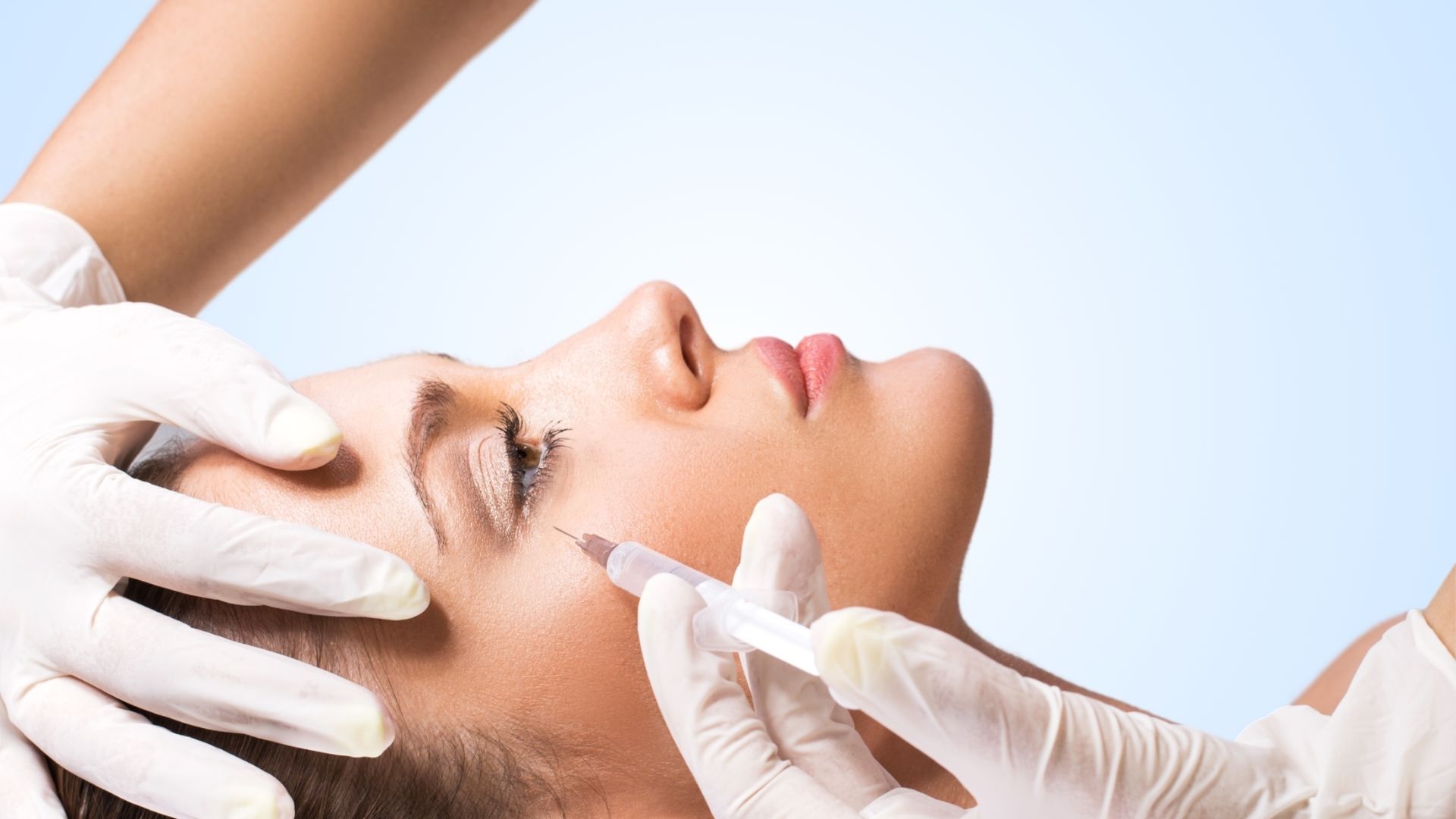
Side by side
PRGF
Platelets, and no white blood cells
Blood is drawn and spun, then a second step separates off the layer that carries the white cells.
PRP (Platelet-Rich Plasma)
Platelets, often with white blood cells
How many white cells end up in it depends on the kit and the spin. Some kits keep them on purpose.
PRGF
Lower the inflammation
White blood cells release proteins that drive inflammation. The idea is that a purer platelet fraction repairs without stirring things up.
PRP (Platelet-Rich Plasma)
Nothing is removed
The counter-argument is that some inflammation is part of healing, and stripping it out may remove something useful.
PRGF
One system, with a set method
The steps, the tube and the spin are fixed, so what comes out is meant to be the same each time.
PRP (Platelet-Rich Plasma)
A category, and a loose one
Two clinics can both offer "PRP" and produce quite different preparations. That is a real reason the research disagrees with itself.
PRGF
The same list, plus wound healing
Thinning hair, acne scars, skin quality. It is also used in dentistry and joint injections.
PRP (Platelet-Rich Plasma)
Thinning hair first, then acne scars
Scalp thinning is the biggest use in skin clinics.
PRGF
Three to six months
The course looks the same: a few sessions about a month apart, then a wait.
PRP (Platelet-Rich Plasma)
Three to six months
Most trials measured hair density about three months after the last session.
PRGF
Not measured in skin or scalp
Follow-up studies in cosmetic use are thin, so clinics borrow the PRP schedule.
PRP (Platelet-Rich Plasma)
Gains fade without top-ups
A maintenance session every six to twelve months is the usual offer.
PRGF
Limited, which is not the same as weak
Most of the published work is laboratory work on cells, or comes from dentistry and orthopaedics. That means barely tested in skin, not tested and disappointing.
PRP (Platelet-Rich Plasma)
A real body of research, and a mixed one
Pooled results from randomised trials show more hair density and thicker hairs than placebo. The methods vary so much that the size of the gain is uncertain.
PRGF
A closed system, and a costlier one
You are tied to one supplier's tubes and protocol, and the price reflects that.
PRP (Platelet-Rich Plasma)
You may not know what you are getting
Ask which kit is used. "PRP" on a price list does not tell you the spin, the platelet count or the white cell count.
PRGF
Higher, per session
Priced per session, across a course.
PRP (Platelet-Rich Plasma)
The cheaper of the two, still a course
Ask what the whole course costs, not what one session costs.
PRGF
There is none
No home device separates platelets from white blood cells.
PRP (Platelet-Rich Plasma)
There is none
Serums sold as "growth factor" use proteins from other sources and sit on the surface of the skin.
PRGF
PRP (Platelet-Rich Plasma)
PRGF
PRGF has limited evidence in skin and hair. It has barely been tested there. Most of what exists is cell studies, or trials from dentistry and joint medicine.
Common questions
PRGF goes through an extra separation step that removes the white blood cells. PRP is the general term and often still contains them, depending on the kit the clinic uses.
No study has compared them in the same people, so there is no measured answer. The argument for PRGF is that less inflammation should mean a cleaner repair signal.
It has limited research in skin and hair. Most published work is laboratory studies on cells, or trials from dentistry and joint medicine, which do not transfer directly to a scalp.
It is a closed system with its own tubes and fixed protocol, so the clinic pays more per treatment. The higher price is not backed by a head-to-head study.
Clinics generally use the PRP schedule: three or four sessions about a month apart, then a top-up every six to twelve months.
Yes, and that is how it is usually offered. Platelet treatments are normally added to the standard hair treatments rather than used instead of them.
PRP injections can cause pain, bruising and swelling. For either preparation, ask how the clinic handles the blood sample, prevents contamination and manages complications. The name of the preparation does not establish that it is safer.