PRFM
Your own plasma, set into a soft gel Blood is drawn and spun. Calcium is added, and the plasma turns into a loose mesh with the platelets caught inside it.
PRFM is PRP with one extra step. Calcium is added after the spin, so the plasma sets into a soft fibrin mesh that holds the platelets and lets them release their growth factors over days instead of minutes. PRP is the original version, and it is the one the research was done on. No study has put the two against each other, so PRFM's advantage is a reasonable theory rather than a measured result.
| The difference | PRFM | PRP (Platelet-Rich Plasma) |
|---|---|---|
| What is in the syringe | Your own plasma, set into a soft gel | Your own plasma, still liquid |
| What the extra step is meant to do | Slow the release of growth factors | Nothing holds the platelets in place |
| What it is used for | The same list, sold as an upgrade | Thinning hair first, then acne scars |
| What the evidence looks like | Limited, which is not the same as weak | A real body of research, and a mixed one |
| Cost | Higher, because of the kit | The cheaper of the two, still a course |
Your own plasma, set into a soft gel Blood is drawn and spun. Calcium is added, and the plasma turns into a loose mesh with the platelets caught inside it.
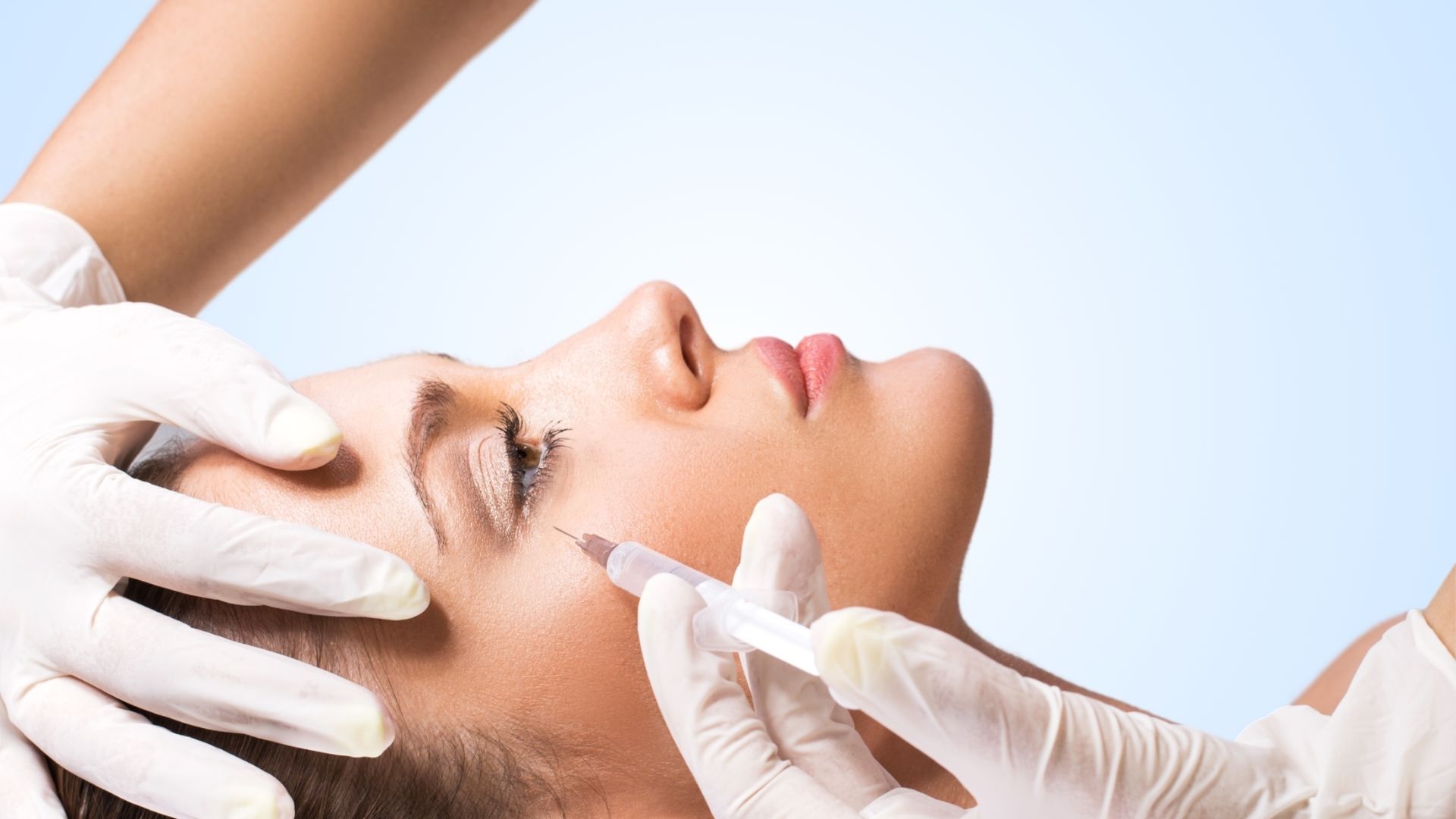
Side by side
PRFM
Your own plasma, set into a soft gel
Blood is drawn and spun. Calcium is added, and the plasma turns into a loose mesh with the platelets caught inside it.
PRP (Platelet-Rich Plasma)
Your own plasma, still liquid
Blood is drawn and spun so the platelet-rich layer separates from the red cells. That liquid is what goes back in.
PRFM
Slow the release of growth factors
Platelets carry growth factors, the proteins your body uses to direct repair. Held in a mesh, they are meant to give them up gradually.
PRP (Platelet-Rich Plasma)
Nothing holds the platelets in place
Once platelets are activated, most of what they carry is released quickly.
PRFM
The same list, sold as an upgrade
Thinning hair, the sunken kind of acne scar, and general skin quality.
PRP (Platelet-Rich Plasma)
Thinning hair first, then acne scars
Scalp thinning is the biggest use by a wide margin.
PRFM
Three to six months
It follows the PRP schedule, because there is no schedule of its own.
PRP (Platelet-Rich Plasma)
Three to six months
Usually three or four sessions, about a month apart, then a wait.
PRFM
Nobody has measured it
No study has followed PRFM far enough past the last session to say.
PRP (Platelet-Rich Plasma)
Gains fade without top-ups
Most clinics offer a maintenance session every six to twelve months.
PRFM
Limited, which is not the same as weak
Very little has been published. That means barely tested, not tested and disappointing.
PRP (Platelet-Rich Plasma)
A real body of research, and a mixed one
Pooled results from randomised trials show more hair density and thicker hairs than placebo. Methods differ a lot between trials, so the size of the gain is uncertain.
PRFM
A short window to use it
Once calcium goes in, the plasma starts to set, so it has to be injected quickly. The kit also costs more.
PRP (Platelet-Rich Plasma)
Nothing about it is standardised
Spin speeds and kits differ, so two clinics can both sell "PRP" and produce quite different things.
PRFM
Higher, because of the kit
Priced per session, and it is a course of sessions.
PRP (Platelet-Rich Plasma)
The cheaper of the two, still a course
Ask what the whole course costs, not what one session costs.
PRFM
There is none
Nothing sold over the counter can spin your blood or set it into fibrin.
PRP (Platelet-Rich Plasma)
There is none
Serums labelled "growth factor" use proteins from other sources, not your platelets, and they sit on the surface.
PRFM
PRP (Platelet-Rich Plasma)
PRFM
PRFM has limited evidence. That means it has barely been tested. A handful of small studies exist. None of them treated one group with PRFM and another with PRP and compared the results.
Common questions
Nobody knows. No study has compared them in the same people, so the claim that PRFM works better comes from how it is made rather than from a measured result.
Calcium is added to PRFM after the blood is spun, so the plasma sets into a soft fibrin mesh. That mesh is meant to hold the platelets and release their growth factors over days rather than minutes.
They are closely related. Both are platelet preparations that form a fibrin mesh instead of staying liquid, and clinics often use the names interchangeably.
Clinics generally use the PRP schedule, which is three or four sessions about a month apart, then a top-up every six to twelve months. There is no separate PRFM schedule because it has not been studied that way.
No. Both start with a blood draw and both involve injections into the scalp or face, so the experience is much the same. Soreness, swelling and occasional bruising last a day or two either way.
The extra kit and processing step add cost, and it is sold as the newer option. That price difference is not backed by a study showing better results.