Plantar Warts
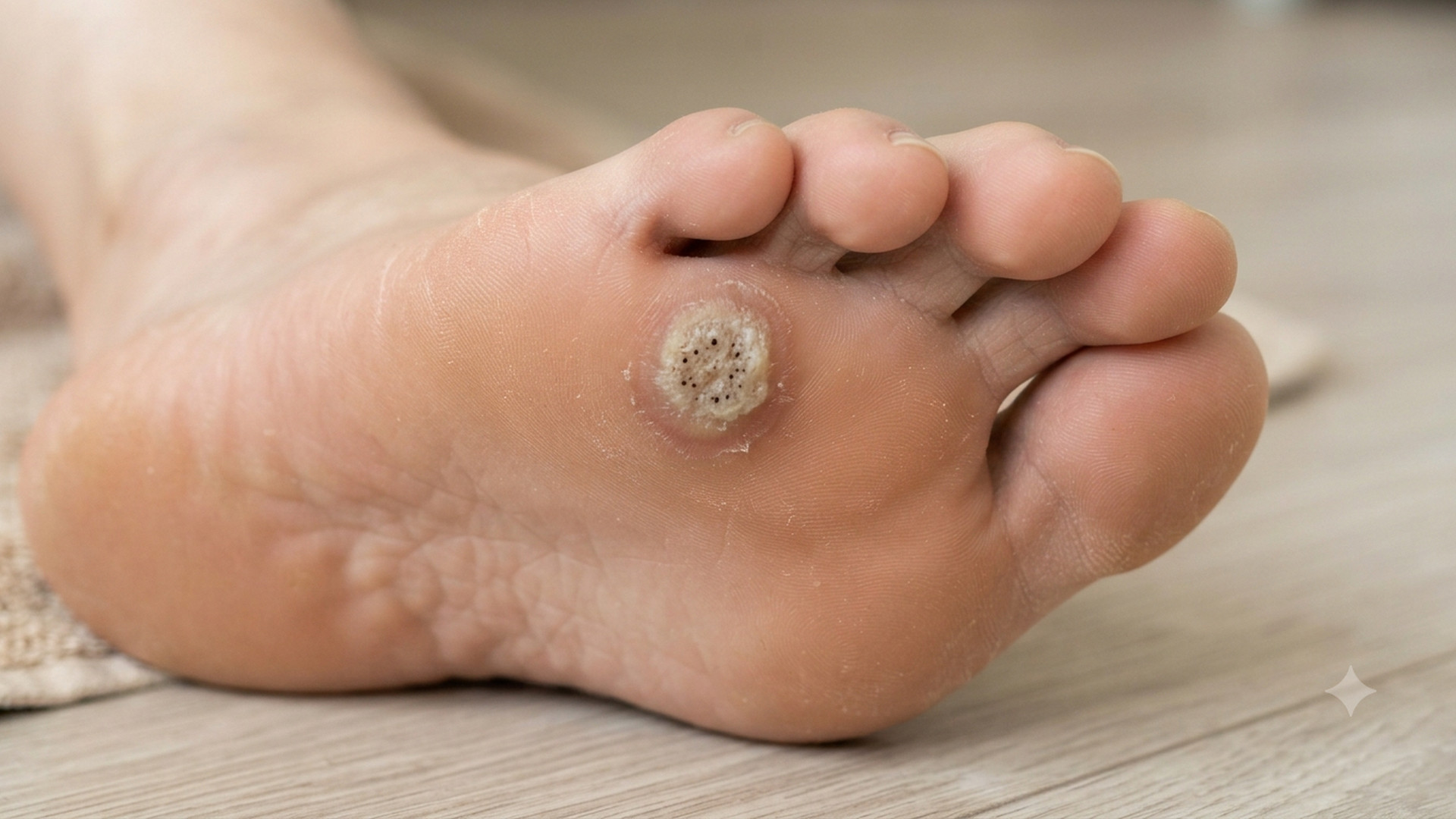
A plantar wart on the ball of the foot. The surface is grainy and pale, and the dark pinpoints are clotted blood vessels — not seeds.
Check the skin lines first. On a plantar wart, the fine lines on your sole stop at the edge and travel around the bump, and you often see tiny dark dots in it. A wart also hurts more when you pinch it from the sides. A corn keeps its lines — they run straight over the top — and it hurts most when you press straight down on it.
| The difference | Plantar Warts | Corn |
|---|---|---|
| What it is | An infection caused by HPV | Your skin protecting itself |
| Treatment | Break it down, wait out the virus | Take the pressure off |
A plantar wart on the ball of the foot. The surface is grainy and pale, and the dark pinpoints are clotted blood vessels — not seeds.

A corn on the ball of the foot. Smooth and yellowish, with a hard core in the centre and no black dots.
Side by side
Plantar Warts
Corn
Plantar Warts
An infection caused by HPV
You pick the virus up through tiny breaks in the skin, often on wet floors like pool decks, locker rooms and shared showers. The thick skin is your body reacting to the virus, not to pressure.
Corn
Your skin protecting itself
Pressure or rubbing on one spot piles up extra layers of skin. It usually comes from shoes, or from the way you walk. Take the pressure away and the corn goes away.

The skin on the sole is the thickest on the body. It takes your weight all day and stays sealed.

The same HPV, picked up on wet shared floors. Skin softened by a pool, a shower or sweaty shoes lets it through a break too small to notice.

Anywhere else a wart grows outward. Here your weight presses it flat, so it grows down into the sole under a thick callus - which is why it hurts to stand on and looks like a callus with black dots in it.

As with any wart, the virus sits above the blood supply. Treatment works by wearing the callus down and irritating the skin enough to draw the immune system to it.
Plantar Warts
Anywhere on the sole
A wart is a virus, not a pressure problem. So it can appear anywhere, including spots that take no weight at all.
Corn
Pressure points only
The ball of the foot, the heel, or the sides and tops of toes. No pressure, no corn.
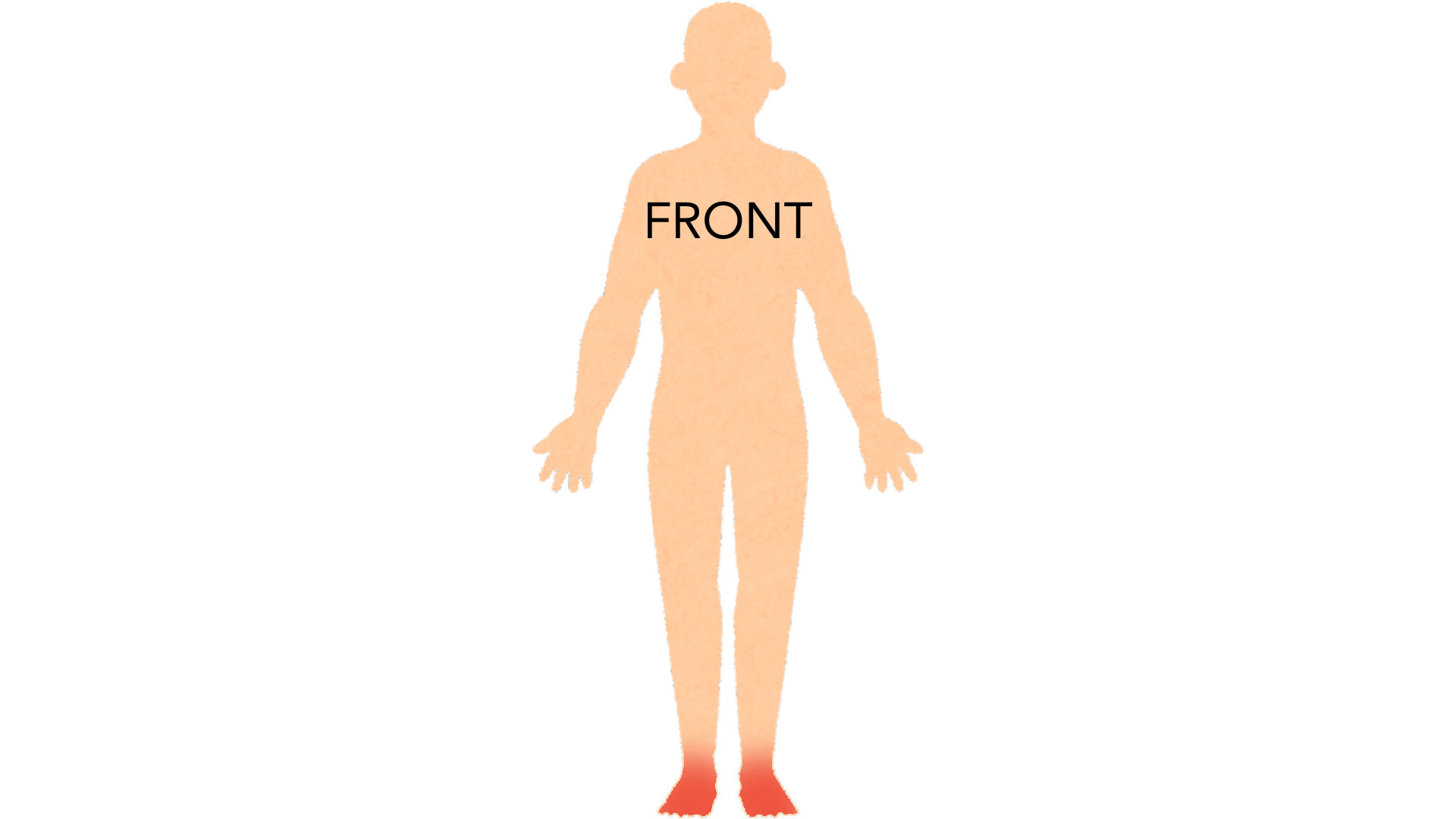
They sit on the sole, and mostly on the parts that take weight — the ball of the foot and the heel. Pressure pushes them inward instead of letting them stand up, which is why they feel like a stone in the shoe and hurt when you squeeze the sides.
Plantar Warts
Yes
It spreads through direct contact and damp shared surfaces. Wear something on your feet in locker rooms, pools and shared showers, and do not share files or pumice stones.
Corn
No
There is nothing to catch. A corn is a mechanical problem, not an infection.
Plantar Warts
Break it down, wait out the virus
Salicylic acid is the usual first step, at much higher strengths than a corn pad. Soak the foot, file the surface gently, apply, cover, and repeat daily. In the clinic, freezing with liquid nitrogen every one to two weeks is common.
Corn
Take the pressure off
Shoes with a wider toe box, cushioned insoles, and padding around the corn. A dermatologist or podiatrist can pare the thick skin down, which relieves pain right away. If the pressure stays, the corn comes back. The shoes matter more than the cream.

The best-evidenced treatment you can buy, and for the sole it is used at foot strength, far higher than the acne version. The order matters: soak the foot, file the surface, apply, cover. Applied to an unfiled callus it never reaches the infected skin, which is the usual reason it seems not to work. Twelve weeks of nightly use is a fair trial.
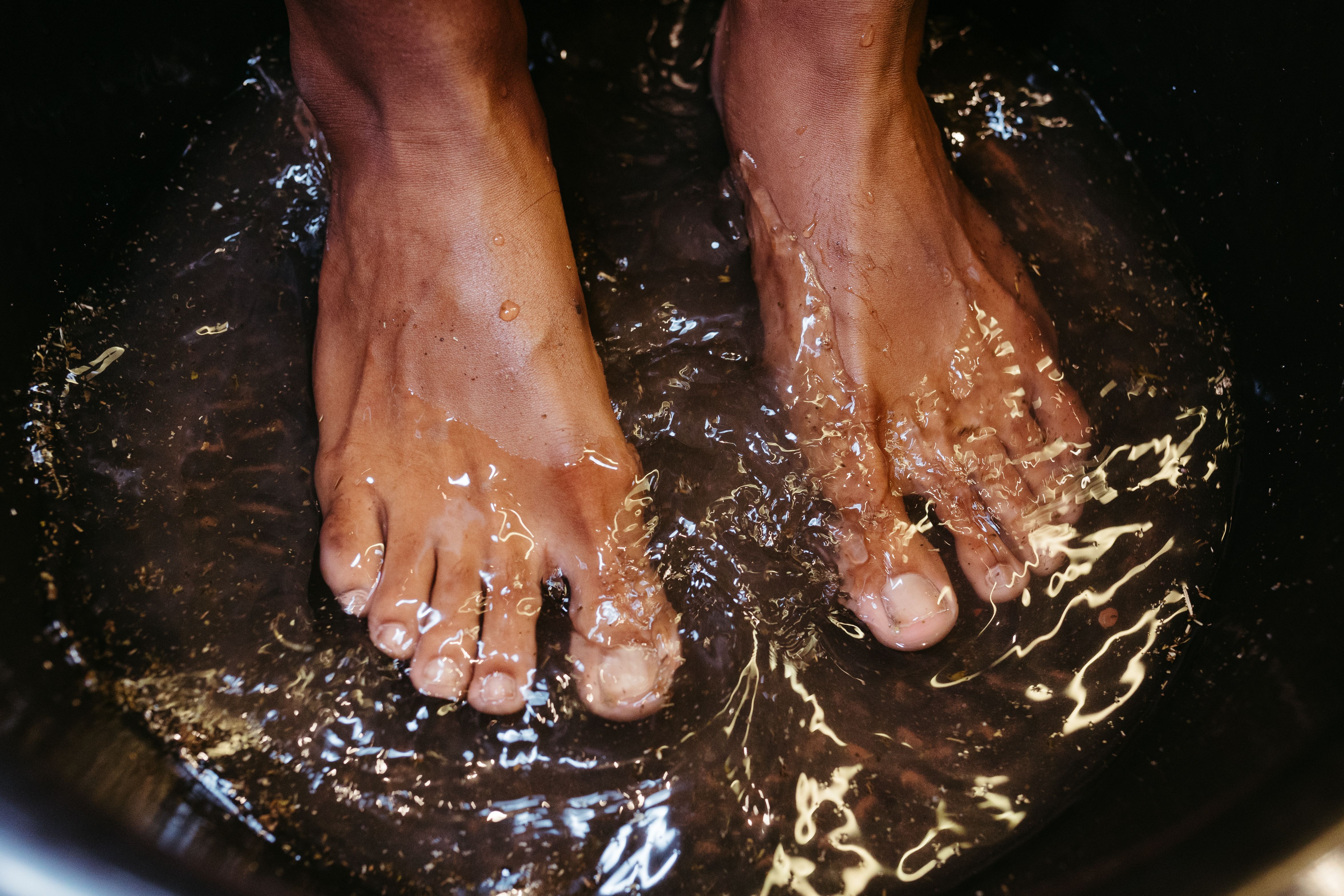
Not an optional extra. Ten minutes in warm water softens the callus, then a file or pumice takes the dead surface down until the skin looks live again. It relieves the pain by itself, because the pain comes from the hard pad. Use a file kept only for that foot, and never share it.

A felt ring around the wart, or an insole that shifts weight off it, makes walking comfortable while the treatment works. It does nothing to the virus. It is worth using early, because it stops the limping that causes aching in the knee and hip.

The sprays sold in pharmacies do not get as cold as the liquid nitrogen used in clinic, and on the sole they usually cannot get through the callus at all. They are more useful on hands than on feet. If you try one, file the surface down first and do not use it on a foot with reduced feeling.
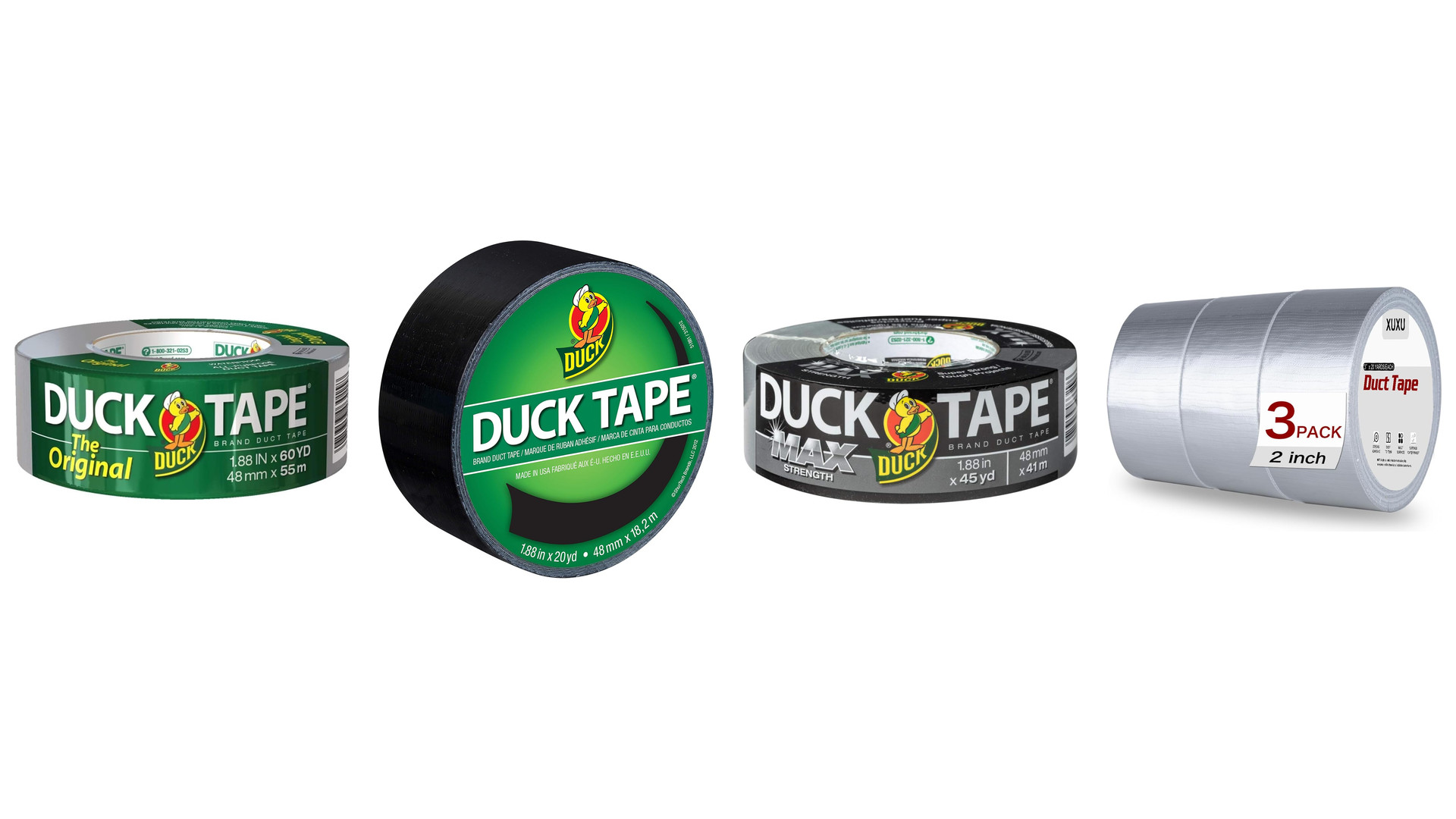
Covering the wart with tape between treatments is cheap and harmless, and the trials of it are mixed at best. It keeps the surface soft and stops picking, which may be most of the benefit. Reasonable to add, especially for a child, but not a replacement for acid and filing.
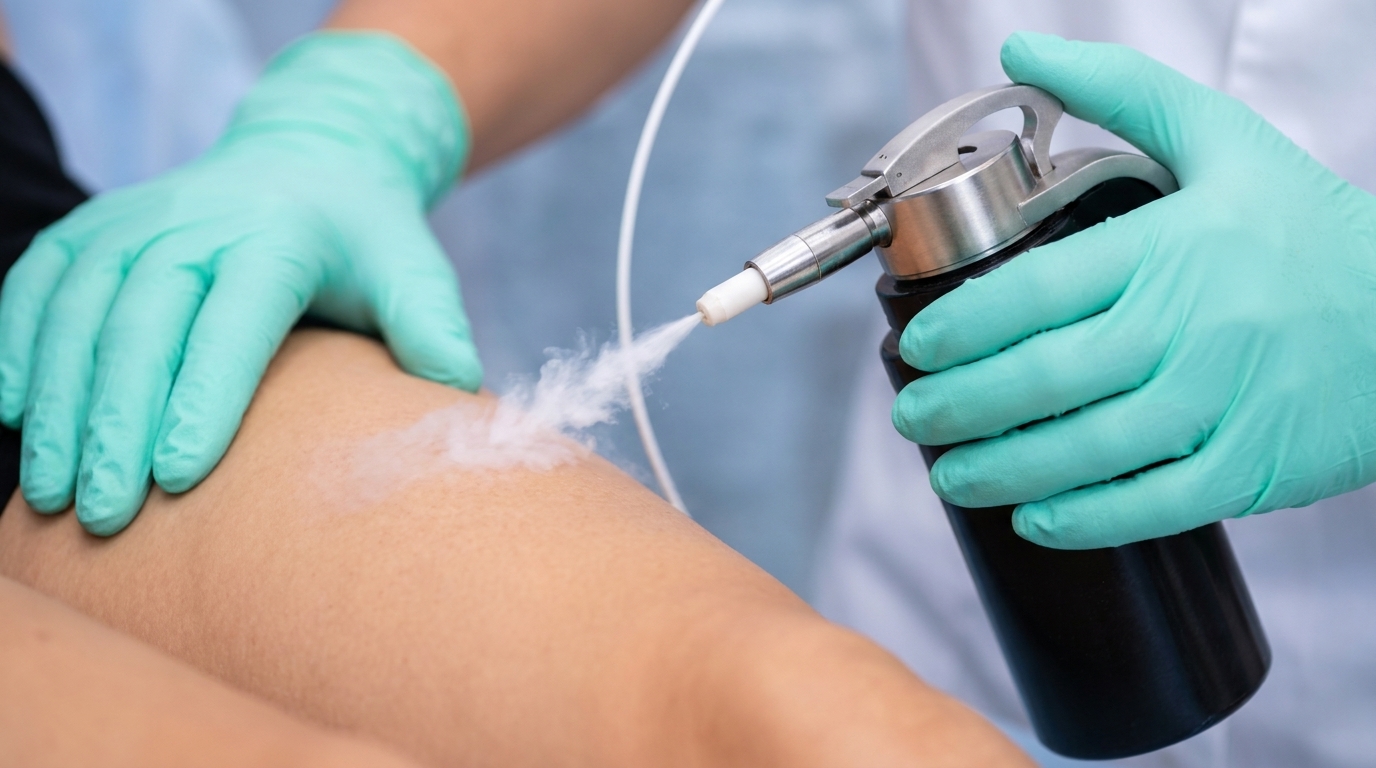
Freezing in clinic, repeated every two to three weeks. Over several months the results are broadly similar to salicylic acid used properly, so it is one reasonable option rather than the top of a ladder. On the sole it is more painful than elsewhere, walking is sore for a day or two, and it works far better if the callus is pared first.

A blistering liquid painted on in clinic and washed off a few hours later, which lifts the wart away from the skin beneath. It is painless to apply, which makes it a common choice for children. The blister that follows can be sore to walk on for a few days, and on the thick skin of the sole it often needs repeating.
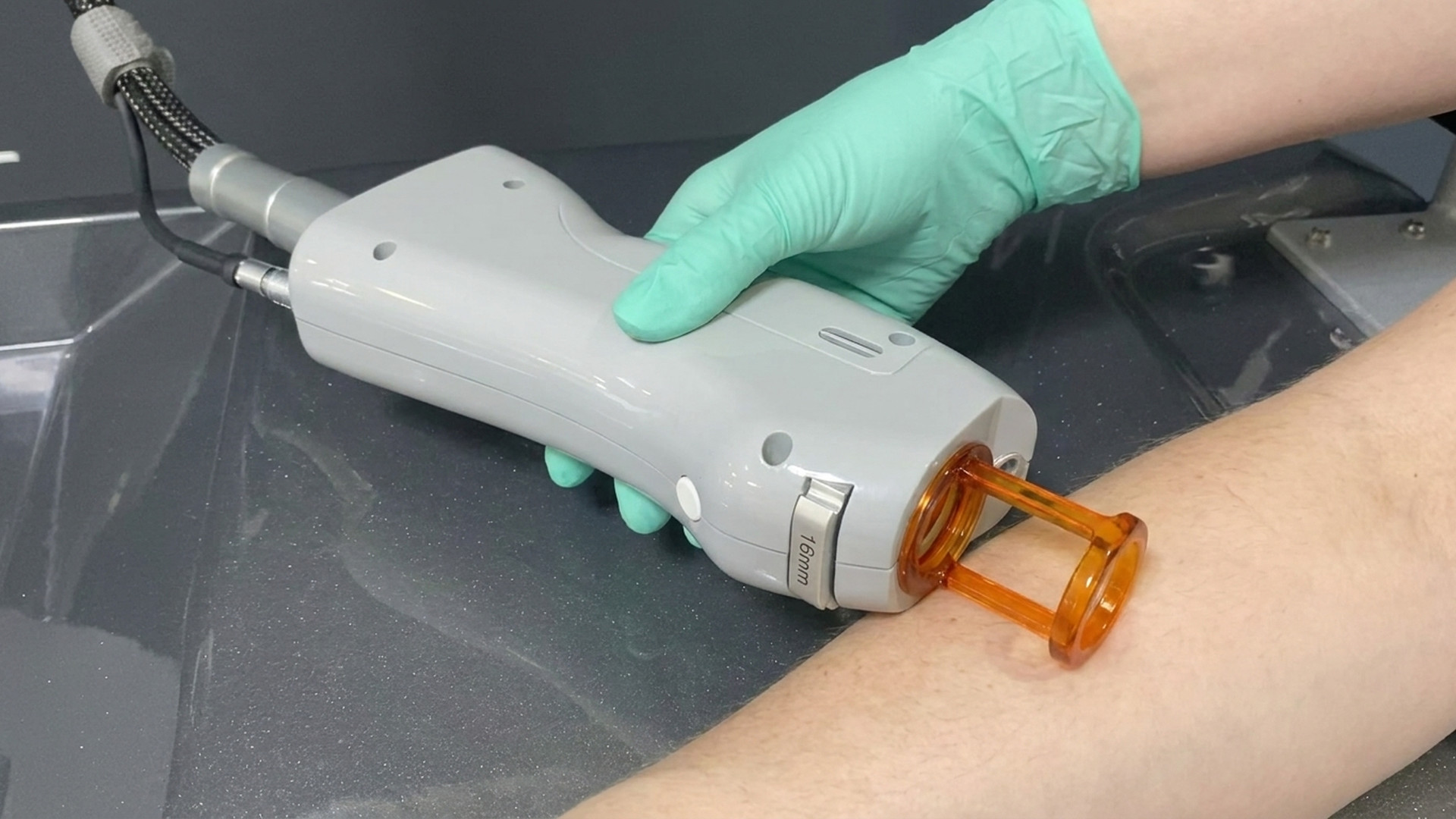
A laser that heats the blood vessels feeding the wart and cuts off its supply, used for foot warts that have failed simpler treatments. It reaches deeper than freezing does. It is done with local anesthetic, it is sore for several days afterwards, and it usually takes more than one session.
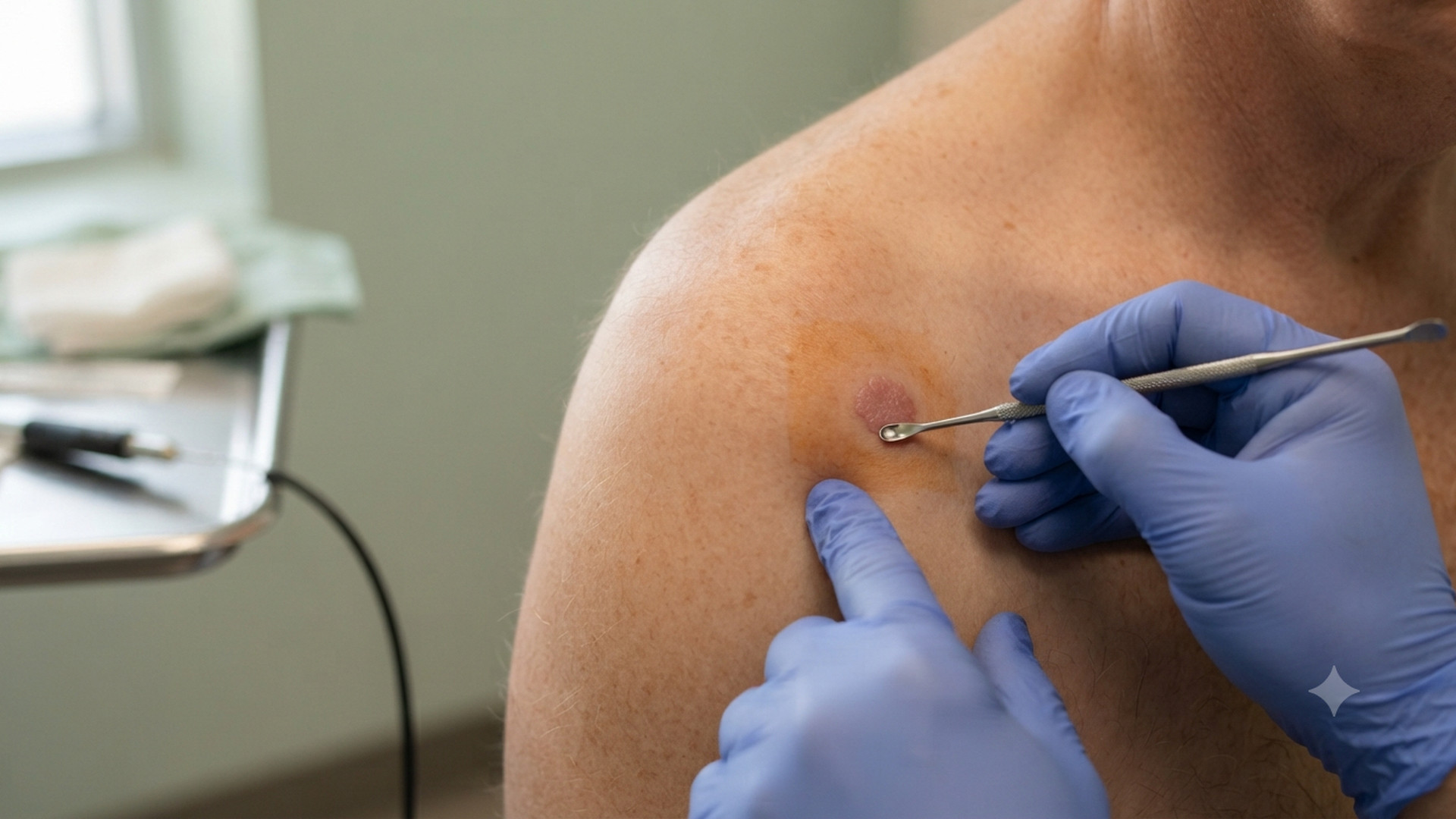
Burning and scraping the wart out under local anesthetic. It clears the visible wart in one go, which is why people ask for it. On the sole it leaves a wound that takes weeks to heal and can leave a scar you then walk on, and the wart can still return, so it is a late option rather than an early one.

Cutting a plantar wart out is generally avoided. There is no root to remove, so surgery takes healthy tissue with it, and it leaves a scar on a weight-bearing surface that can hurt more than the wart did. Recurrence around the scar is common. It is used for a growth that needs sending to the laboratory, not to get rid of an ordinary wart.
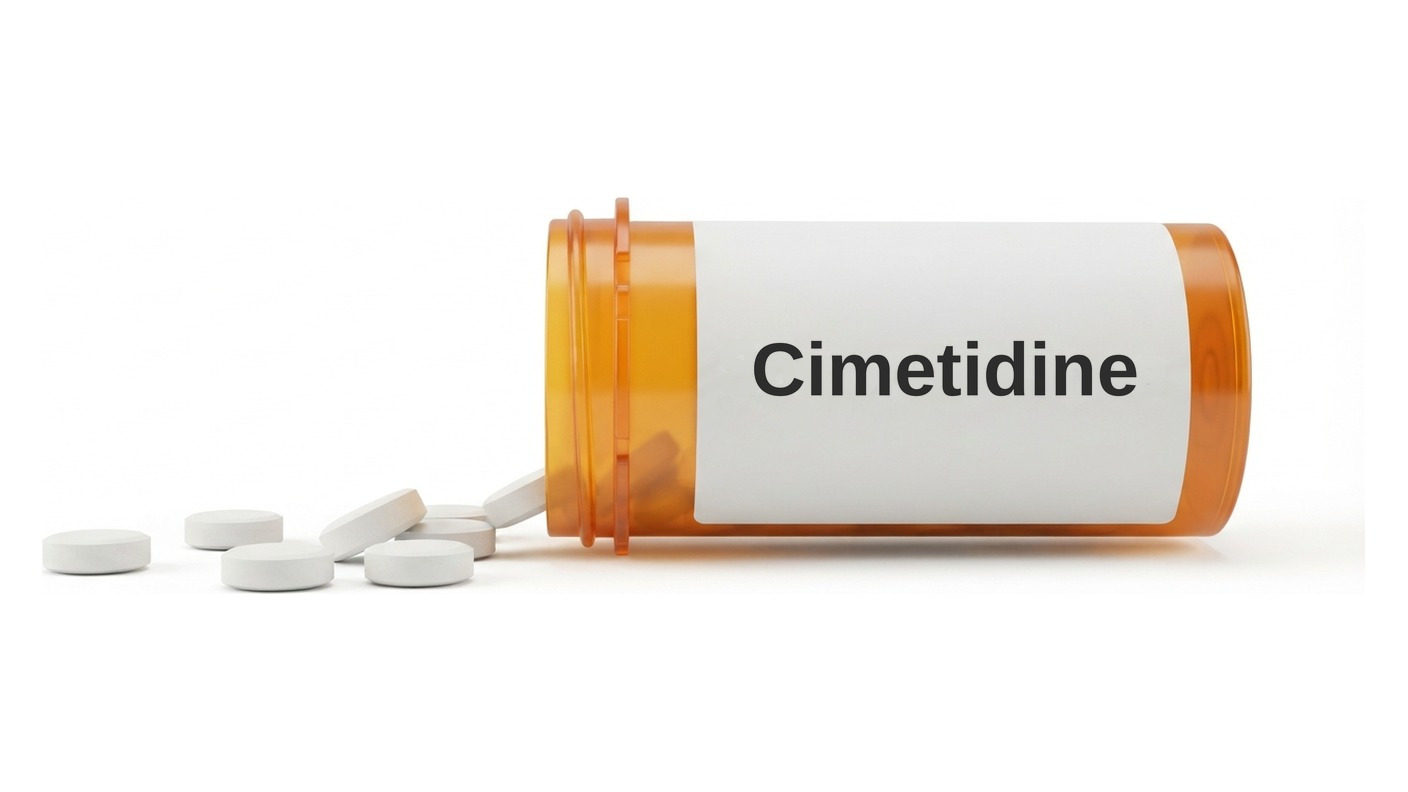
A stomach medicine that also nudges the immune system, sometimes tried in children with many warts because it is easy to take and well tolerated. Controlled trials have not shown it beats a dummy tablet. It is a reasonable add-on if you want to try something painless, not a treatment to rely on.

A chemotherapy cream used at low strength, applied under tape to a wart that has not responded to salicylic acid. It kills the rapidly dividing infected cells. It stings, it needs the callus filed down to work, and it is avoided in pregnancy.
This one works by asking the immune system to notice the infection rather than by destroying the wart, which is the step the foot is stuck on. Most of its evidence is in warts elsewhere, and on the thick skin of the sole it is usually combined with filing or with salicylic acid. Expect redness and soreness while it is working.
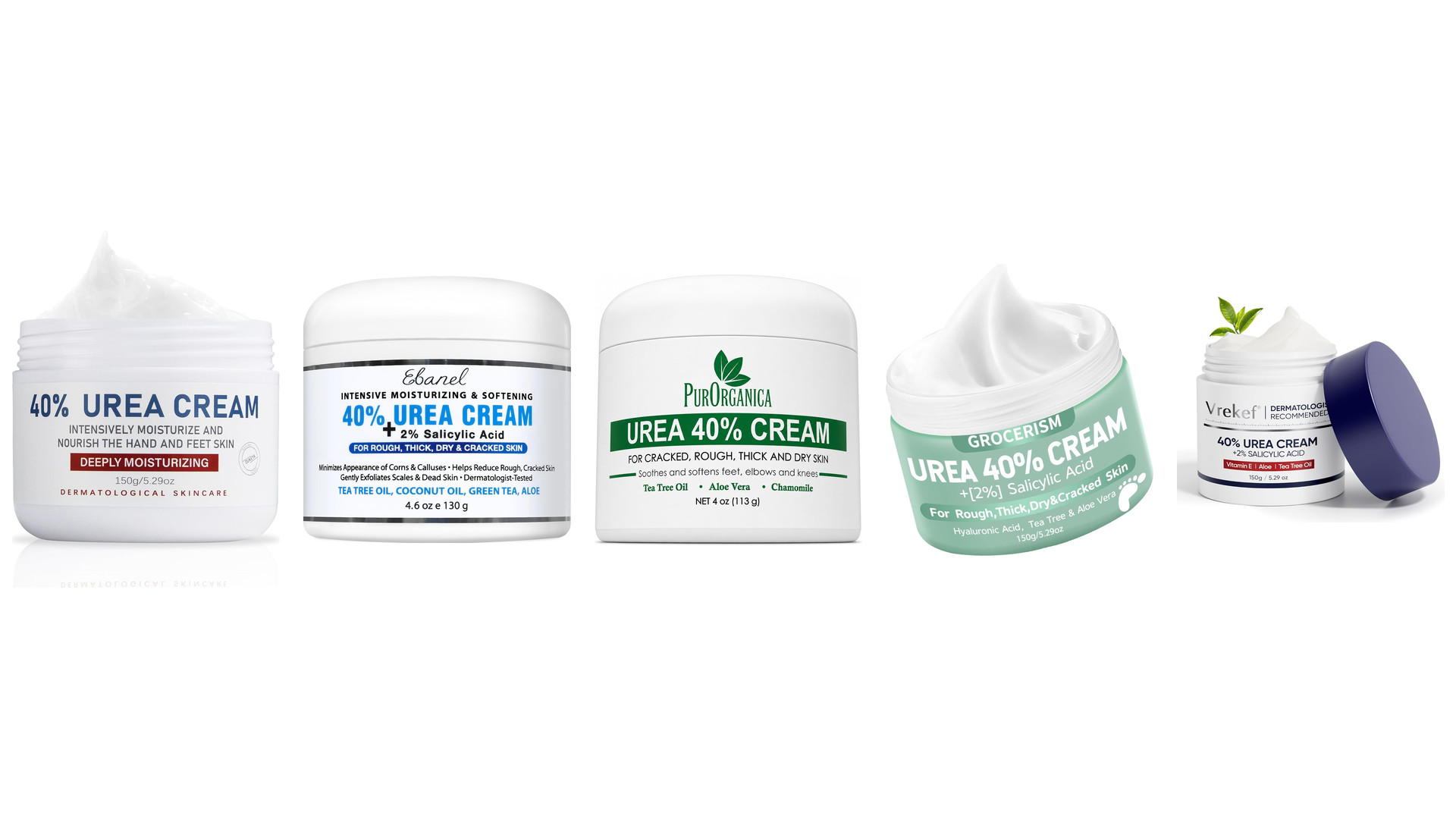
Not a wart treatment. It dissolves hard callus, so it is used under a dressing to thin the pad over a wart that is too thick to file comfortably, and to treat the cracked heels that let the virus in. It makes the other treatments reach further.
Plantar Warts
Two to three months
About 70% clear with steady treatment over several months. Warts also go away on their own eventually, as the immune system catches up. That is slower in adults than in children.
Corn
Relief can be same-day
Paring gives immediate relief. Whether it lasts depends on fixing the pressure, which is a shoe and walking question rather than a waiting game.
Corn
A corn pad does nothing to a wart. Its salicylic acid is meant for pressure calluses, and it is far too weak for a wart.
Corn

On light skin a plantar wart usually reads as a thick yellow-tan lump pressed into the sole, with a thin pink ring around it. Tiny black dots sit in the middle. Those dots are clotted blood vessels, and they are the clearest sign that this is a wart and not a callus.

On medium skin the wart is tan to gray and the pink ring around it is fainter, so color is less help. The steadier clue is the surface. The fine skin lines of the sole run right through a callus, but stop at the edge of a wart. Squeezing a wart from the sides also tends to hurt more than pressing straight down on it.

On brown skin the wart is often close to the color of the sole around it, and the redness at its edge is hard to see. That is why plantar warts here are frequently treated as a callus or a corn for months before the diagnosis is corrected. Paring the top layer down in clinic reveals the black dots and the broken skin lines, and it is worth asking for.

On deep skin the black dots are the hardest to pick out, so the wart is judged by feel and by the interrupted skin lines rather than by color. Treatment matters here too. Freezing works by blistering the skin, and injured skin on deeper skin tones often heals with a pale ring or a dark mark that outlasts the wart by a year. Daily salicylic acid with regular filing is the slower route that avoids that.
A wart under a weight-bearing area hurts with every step, and people quietly shift their weight to the side of the foot to keep off it. Months of walking that way causes aching in the other foot, the knee and the hip. Thinning the callus, or a padded ring that takes the weight off, usually fixes the walking long before the wart is gone.
Common questions