PDRN
Purified DNA fragments from salmon Short pieces of DNA that appear to support repair and calm inflammation in skin.
PDRN is a repair ingredient made from salmon DNA. The version with real evidence behind it is injected into the skin at a clinic, not applied from a bottle at home. Retinol is a cream with decades of research behind it. If you are choosing between two things you can buy in a serum, retinol is the one that has been shown to work.
| The difference | PDRN | Retinol |
|---|---|---|
| What it is | Purified DNA fragments from salmon | A form of vitamin A |
| What it is meant to do | Support repair and hydration | Renew and rebuild |
| What it feels like | Comfortable | Dry and flaky at first |
| Cost | Expensive either way | Cheap works |
| What each one is actually for | PDRN is aimed at skin quality. | Retinol is for change you can see. |
Purified DNA fragments from salmon Short pieces of DNA that appear to support repair and calm inflammation in skin.
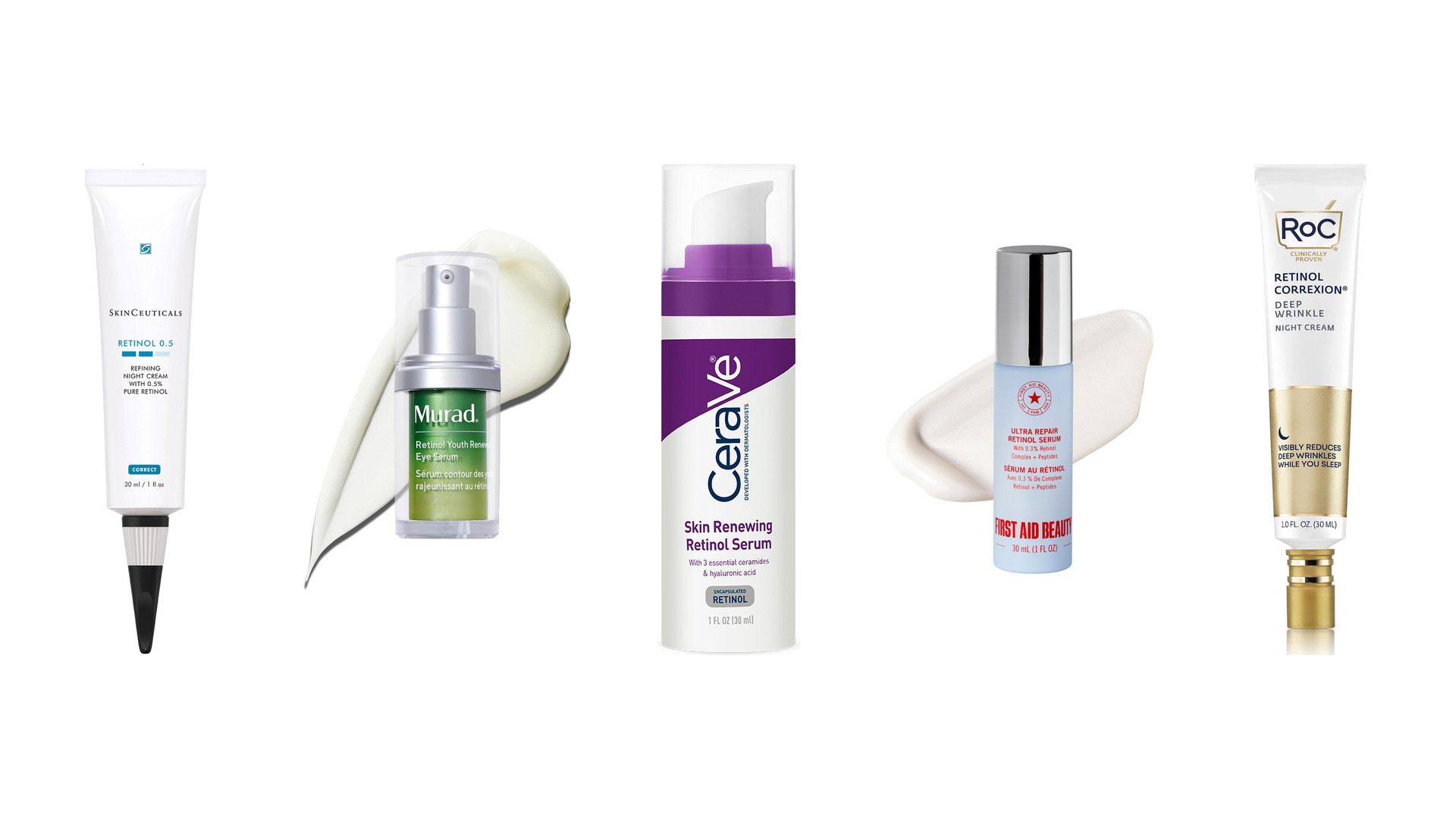
Side by side
PDRN
Purified DNA fragments from salmon
Short pieces of DNA that appear to support repair and calm inflammation in skin.
Retinol
A form of vitamin A
A single, well-defined molecule. Skin converts it into the active form once it is applied.
PDRN
Support repair and hydration
Calmer skin, better texture, and thicker, less easily irritated skin over a course.
Retinol
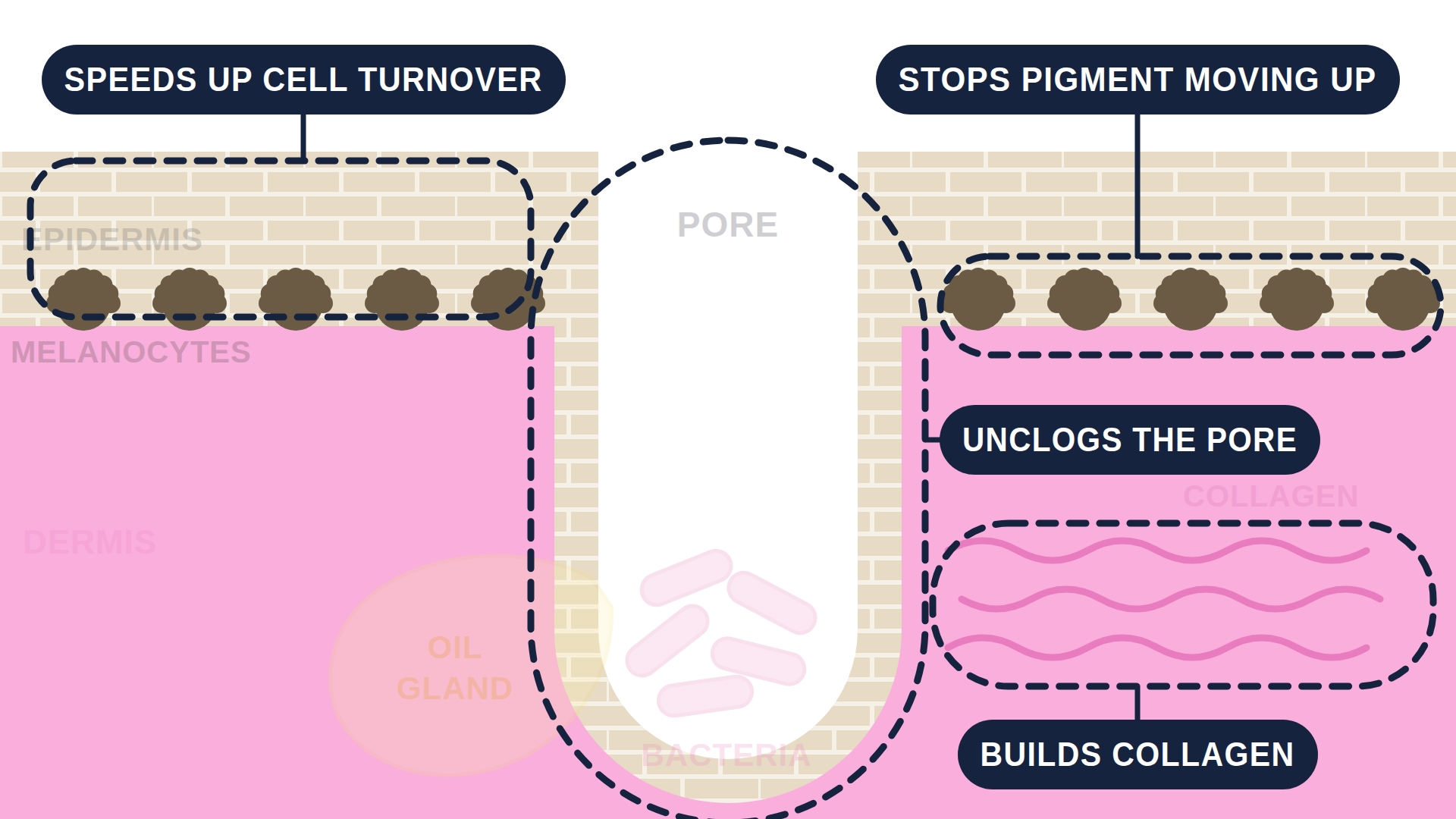
Renew and rebuild
Faster cell turnover, clearer pores, more even tone, and collagen over months.

Speeds up how quickly pigmented surface cells are shed, so spots lighten gradually from the top down. It is the over-the-counter option with the best evidence in sun spots, and it improves the surrounding sun-damaged skin at the same time. Start two or three nights a week to avoid irritation, and expect three to six months before the difference is obvious.

The over-the-counter version of the best-evidenced wrinkle treatment. Skin converts it to the active form, so it is weaker and slower than prescription tretinoin, and it takes six months rather than three. That trade is worth it for people who cannot tolerate tretinoin or do not want a prescription. Start two nights a week and build up. Generally avoided in pregnancy — ask your doctor.

Speeds up how fast the top layer of skin turns over, which is the route surface pigment leaves by, and it treats acne while it does so. Start two nights a week and build up, because irritation is inflammation and inflammation is what made the mark. Use it at night and pair it with sunscreen in the morning.

Used nightly over months it gradually improves surface texture and the tone around a scar, and it keeps treating the acne that would cause the next one. It will not lift an established dent. Think of it as the background treatment that procedures are done on top of.

The over-the-counter version of tretinoin, and weaker. It is a reasonable thing to try on red marks if a prescription is not an option, used nightly over months, but the evidence sits behind tretinoin and the results are smaller. It has nothing to offer white marks, and it is not used in pregnancy.

Over months it thickens eyelid skin slightly, which both hides the vessels underneath and helps disperse pigment, so it is one of the few actives that touches two of the four causes. Start twice a week with a low strength eye formulation, because the lid irritates easily and an irritated lid leaves more pigment than it started with. Ask your doctor before using it if you are pregnant.
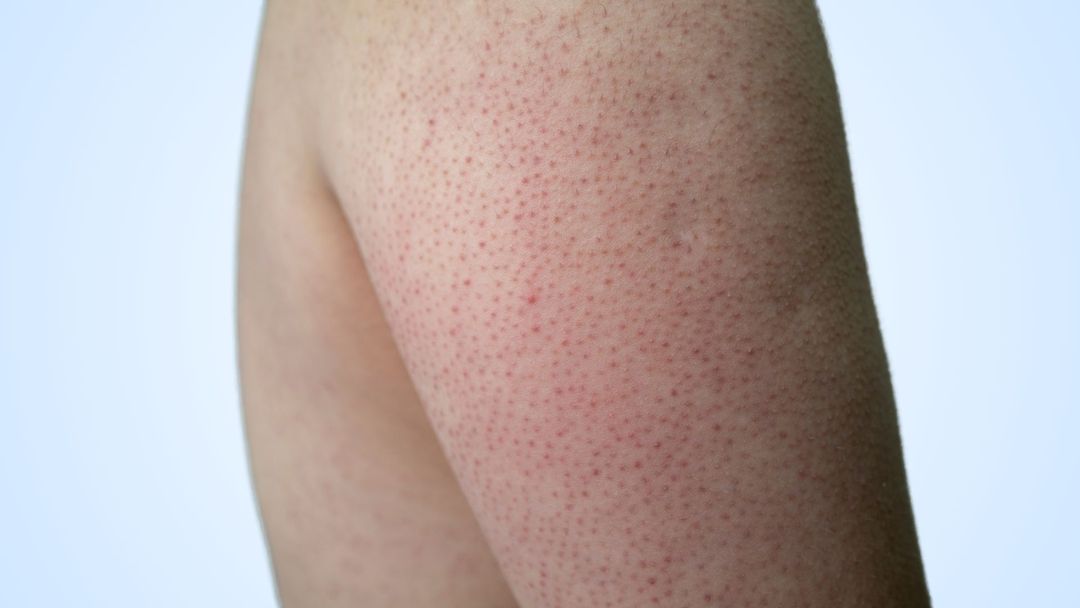
Changes how the follicle sheds its cells, so fewer plugs form in the first place. It is slower than the acids and more irritating, so it is usually a second step rather than a first one. Start two nights a week on one arm, and always put a moisturizer over it.
PDRN
Not clear from a bottle
PDRN is a large molecule, and large molecules do not usually cross intact skin. That gap is exactly why the injected version exists.
Retinol
Yes
Retinol is small and dissolves in oil, and it is well established that it reaches the living layers of skin.
PDRN
Limited for the serum
The studies people quote were mostly done on the injected form. Serum studies are few, small, and often use formulas full of other hydrating ingredients.
Retinol
Strong
Retinoids are the most studied anti-ageing ingredients in skincare, with consistent results across many years.
PDRN
Unclear for a serum
The injected course usually takes two to four weeks to show and builds for around three months. No such timeline is established for a cream.
Retinol
Three to six months
Texture first, then tone, then lines. The first six weeks often look worse rather than better.
PDRN
Comfortable
PDRN serums are hydrating and rarely sting. The injections are a different experience, with small bumps and possible bruising for a day or two.
Retinol
Dry and flaky at first
Peeling around the nose and mouth in the early weeks is normal. Starting two nights a week avoids most of it.
PDRN
You may be paying for the base
Any improvement from a PDRN serum could as easily come from the humectants and barrier ingredients it is mixed with.
Retinol
The first six weeks
Redness, flaking and stinging while skin adjusts. It also makes skin burn more easily, so sunscreen is not optional.
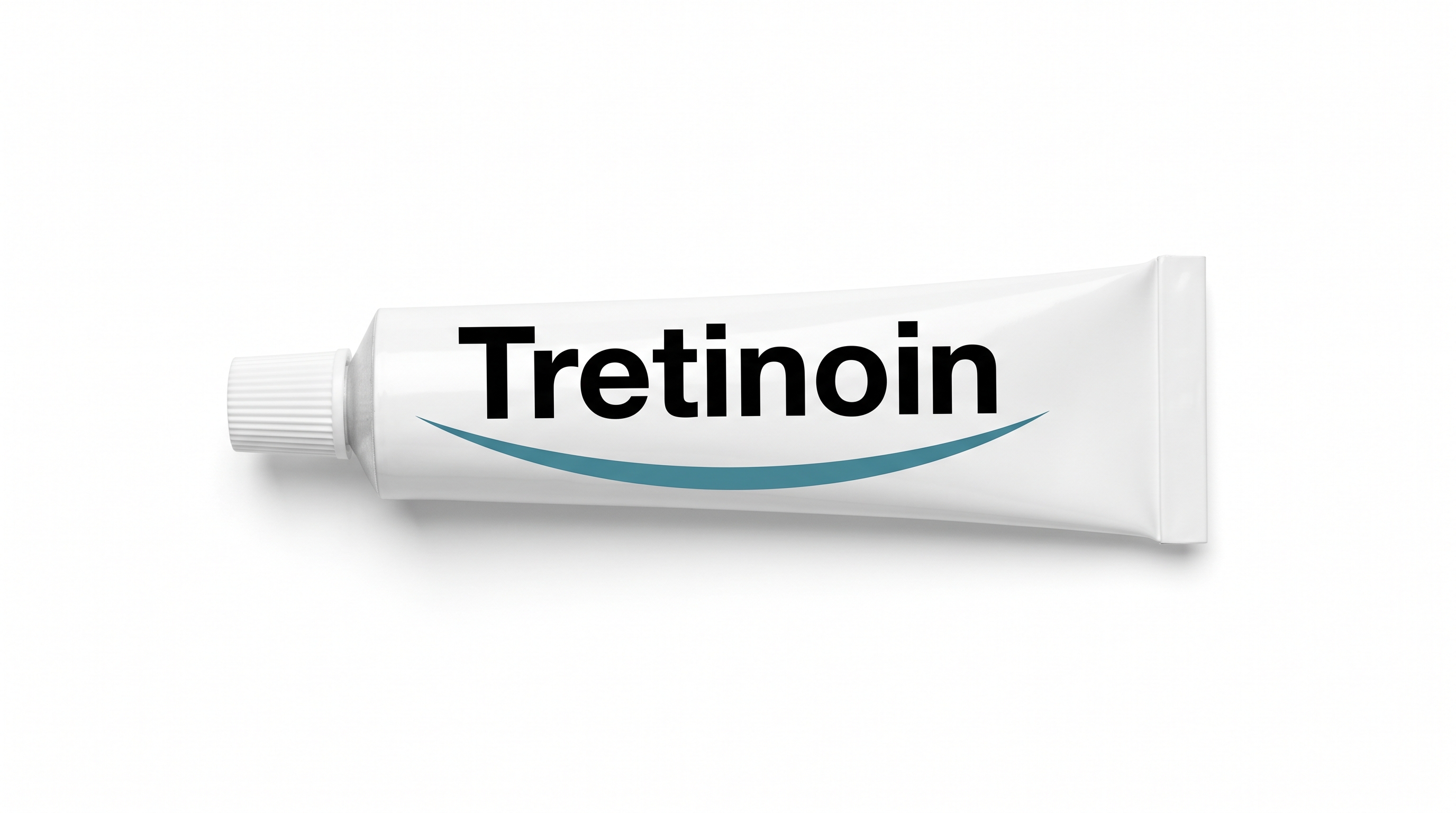
Strong evidence, more than any other topical for sun-related aging and for acne. Faster and more effective, and more irritating. It needs a prescription.
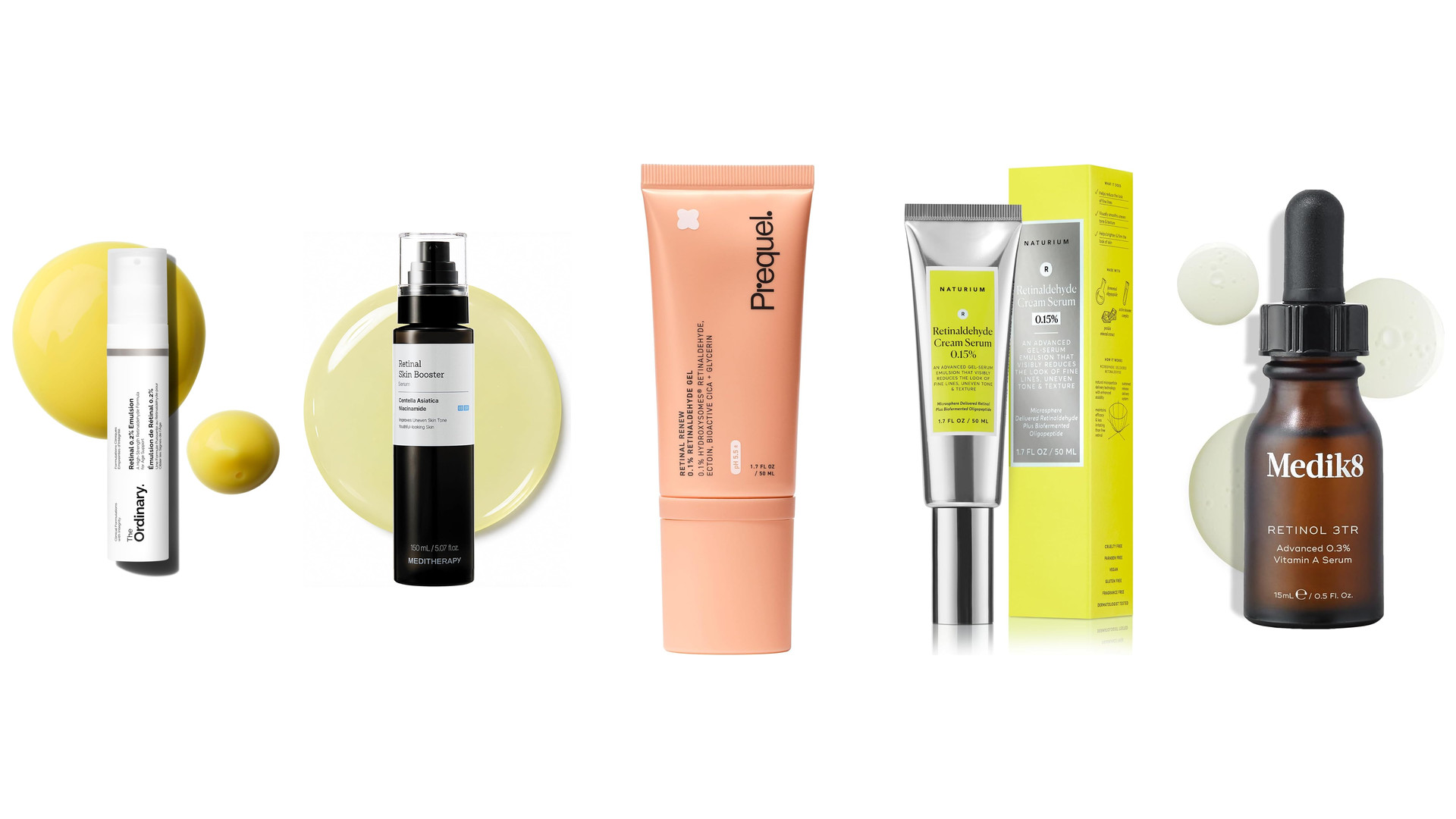
Moderate evidence. One conversion step from active instead of two, so likely stronger at the same percentage, with reports of similar tolerability. Fewer studies behind it, and it costs more.
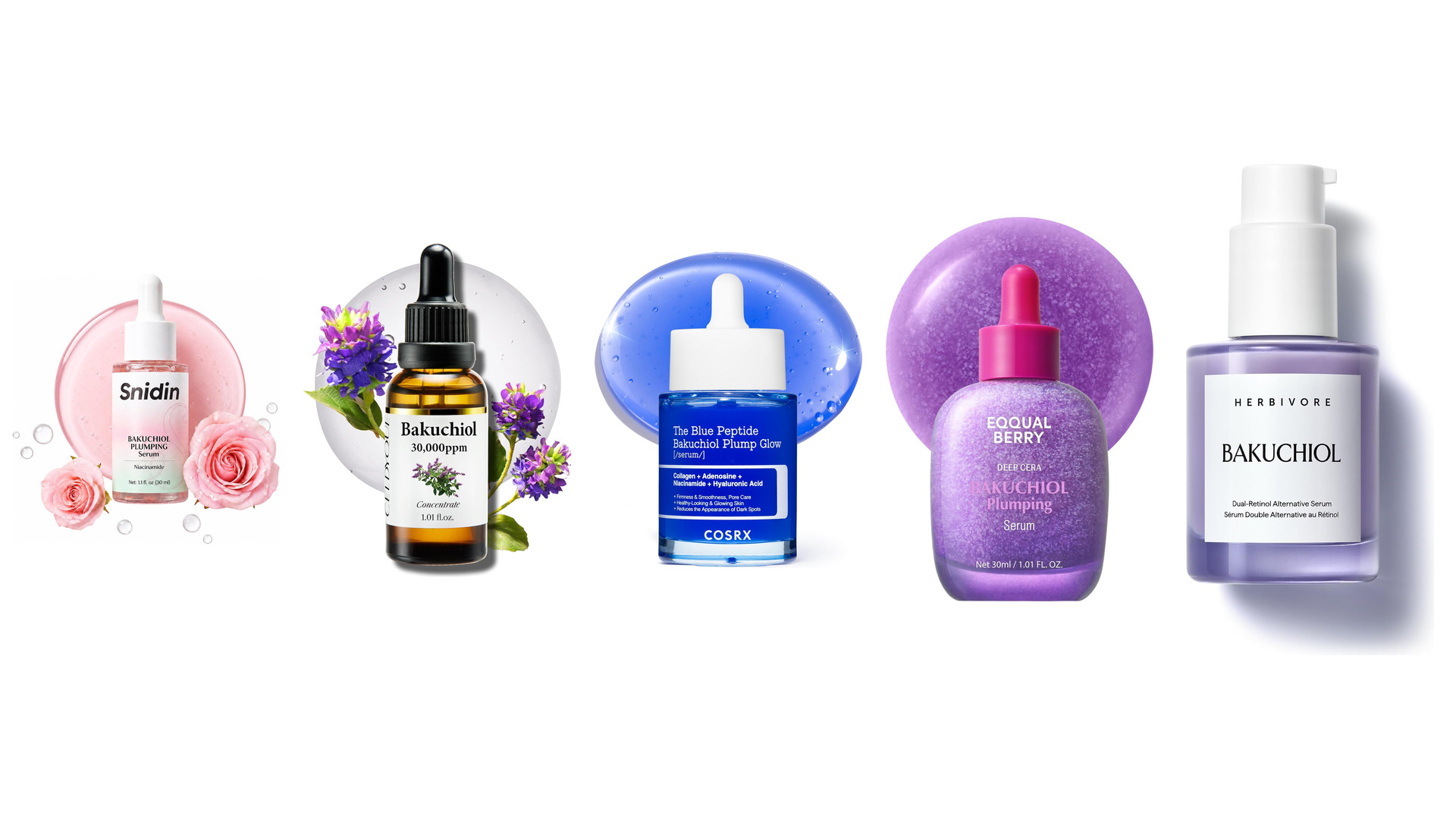
Limited evidence. Much gentler and not a retinoid at all. A small number of short trials, and nothing like retinol's track record.
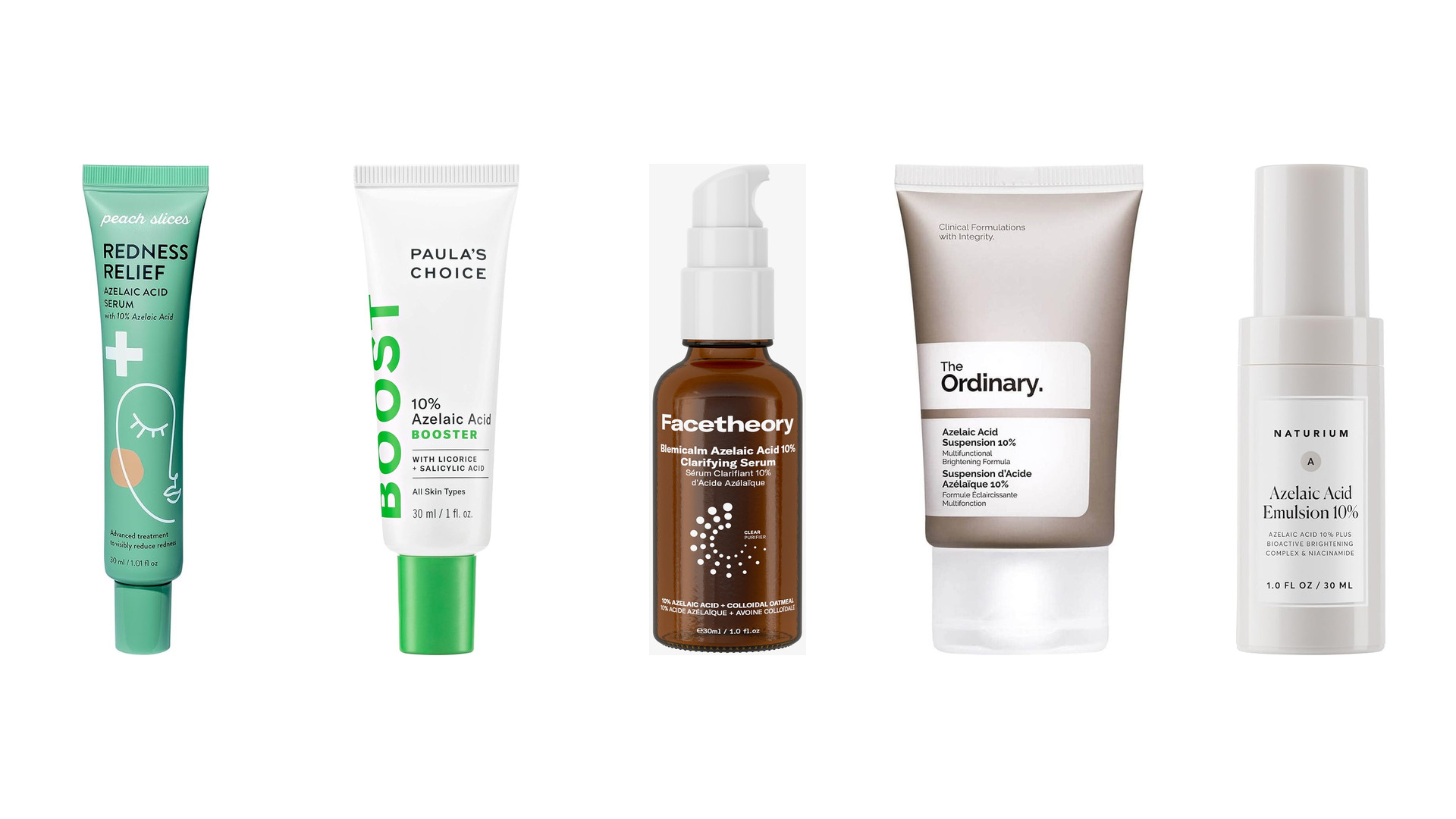
Strong evidence for acne, rosacea and dark marks. Gentler, and the usual option when retinoids have to stop.
PDRN
Expensive either way
The serums are premium-priced. The injected course is a clinic treatment charged per session, and it is usually three of them.
Retinol
Cheap works
A drugstore retinol and a luxury one hold the same molecule. Price mostly buys the texture and the packaging.
PDRN
The serum is the at-home version
It is also the version with the least evidence behind it. A cream cannot place anything inside the skin, which is what the clinic treatment is for.
Retinol
Retinol is the drugstore version
The prescription version is tretinoin, which is stronger and faster because skin can use it directly. Retinol has to be converted first, so it is a slower version of the same thing.
Thin, absorbs fast, layers under a moisturizer. Usually the highest strengths on the shelf.
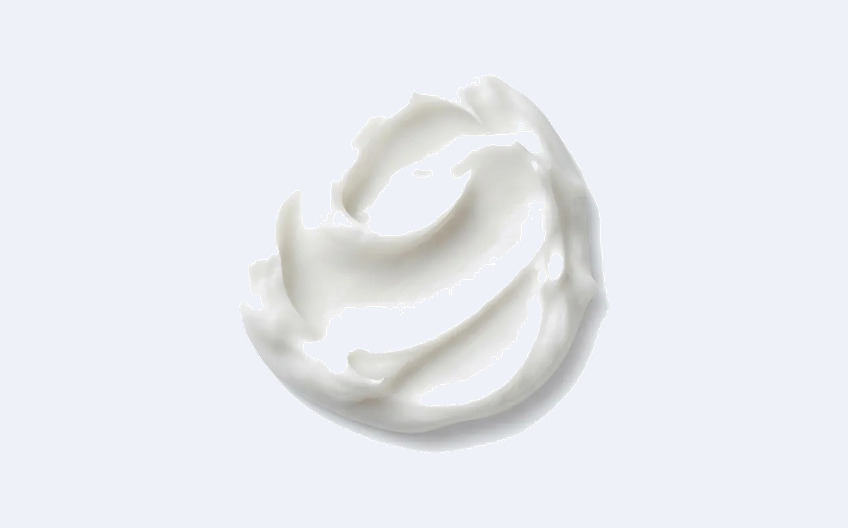
Cushions the first few weeks of dryness. The pick for dry or sensitive skin.
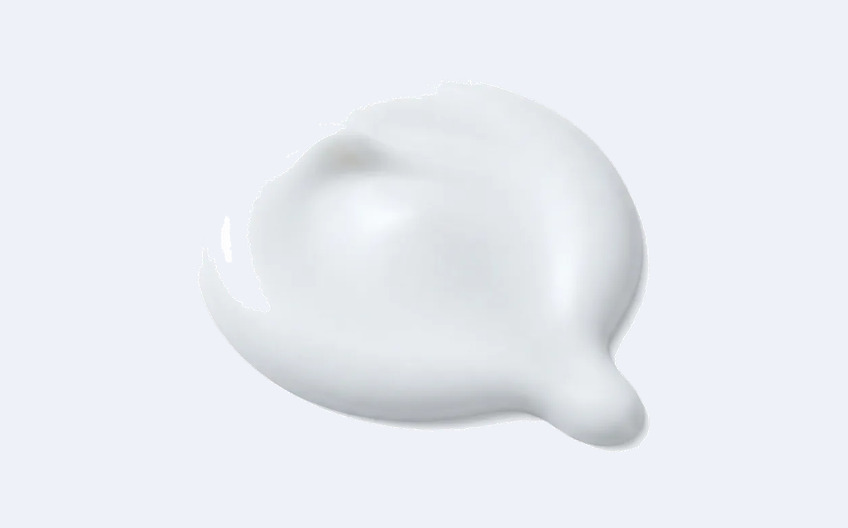
Thinner than a cream and spreads further, so it suits the chest, arms and back.
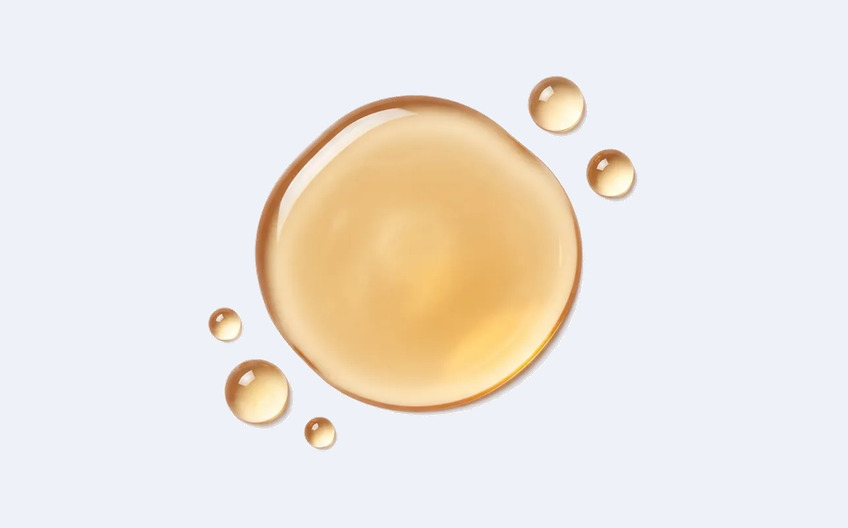
Carries retinol well and feels rich. Heavy finish if you are acne-prone.

Wrapped so it releases slowly. Genuinely gentler, but the same ingredient, not a stronger one.
PDRN
Retinol
PDRN
Almost everything written about PDRN comes from the injected form. That is a course of small injections spread across the face, done in a clinic, usually three sessions a few weeks apart.
Retinol
Retinol does not have that problem. It is small, it dissolves in oil, and its route into the skin has been mapped for decades.
PDRN
PDRN is aimed at skin quality. Thin, easily irritated, dull-looking skin is what the injected course targets. It does not lift, fill or clear acne.
Retinol
Retinol is for change you can see. Lines, rough texture, uneven tone and blocked pores all respond to it, given three to six months.
Retinol
The serum can make retinol easier. Its hydrating base takes the edge off the dry, flaky stage, in the same way any good moisturizer does.
Do not swap retinol out for it. Replacing a well-evidenced ingredient with an unproven one is the expensive mistake here.
Common questions
Not on the evidence. Retinol has decades of research behind it, while most PDRN studies were done on the injected form rather than a serum.
That has not been shown. PDRN is a large molecule, and intact skin is very good at keeping large molecules out, which is why the clinic version is injected.
Yes. A PDRN serum in the morning and retinol at night works, and the hydrating base can make the retinol stage more comfortable.
Purified DNA fragments, usually taken from salmon. It is the same family of ingredient sold in clinics as polynucleotides or under the brand name Rejuran.
The injected course is aimed at skin quality and texture rather than deep lines. For wrinkles, retinol has far more evidence behind it.
Judge it as a hydrating serum, because that is the part you can count on. Any repair effect from the DNA fragments themselves is still unproven in a cream.