AHA
A few nights a week A toner, serum, lotion or pad left on the skin. Some people use a stronger peel in a clinic every few weeks instead.
AHAs work on the surface. They loosen the glue between dead cells, so skin looks smoother and brighter within a few weeks. Retinol works inside the cell, changing how your skin builds itself, so it does more for fine lines and pigment. The trade is time: an AHA shows something in a month, and retinol takes three to six.
| The difference | AHA | Retinol |
|---|---|---|
| What it is best at | Texture and dullness | Lines, pigment and acne |
| How long until it works | Two to four weeks | Three to six months |
| Cost | Inexpensive at home, more in clinic | Cheap works |
A few nights a week A toner, serum, lotion or pad left on the skin. Some people use a stronger peel in a clinic every few weeks instead.
Side by side
AHA
A few nights a week
A toner, serum, lotion or pad left on the skin. Some people use a stronger peel in a clinic every few weeks instead.
Retinol
Most nights, long term
A pea-sized amount on dry skin at night, then moisturizer. Two or three nights a week at first, building up.
AHA
Smoother, brighter skin
Softer texture, less dullness, smaller-looking pores, and a slow fade of surface discolouration.
Retinol
Firmer skin and fewer lines
Fine lines soften, tone evens out, and acne-prone skin clogs less. It builds collagen, which nothing on the surface can do.

Speeds up how quickly pigmented surface cells are shed, so spots lighten gradually from the top down. It is the over-the-counter option with the best evidence in sun spots, and it improves the surrounding sun-damaged skin at the same time. Start two or three nights a week to avoid irritation, and expect three to six months before the difference is obvious.

The over-the-counter version of the best-evidenced wrinkle treatment. Skin converts it to the active form, so it is weaker and slower than prescription tretinoin, and it takes six months rather than three. That trade is worth it for people who cannot tolerate tretinoin or do not want a prescription. Start two nights a week and build up. Generally avoided in pregnancy — ask your doctor.

Speeds up how fast the top layer of skin turns over, which is the route surface pigment leaves by, and it treats acne while it does so. Start two nights a week and build up, because irritation is inflammation and inflammation is what made the mark. Use it at night and pair it with sunscreen in the morning.

Used nightly over months it gradually improves surface texture and the tone around a scar, and it keeps treating the acne that would cause the next one. It will not lift an established dent. Think of it as the background treatment that procedures are done on top of.

The over-the-counter version of tretinoin, and weaker. It is a reasonable thing to try on red marks if a prescription is not an option, used nightly over months, but the evidence sits behind tretinoin and the results are smaller. It has nothing to offer white marks, and it is not used in pregnancy.

Over months it thickens eyelid skin slightly, which both hides the vessels underneath and helps disperse pigment, so it is one of the few actives that touches two of the four causes. Start twice a week with a low strength eye formulation, because the lid irritates easily and an irritated lid leaves more pigment than it started with. Ask your doctor before using it if you are pregnant.
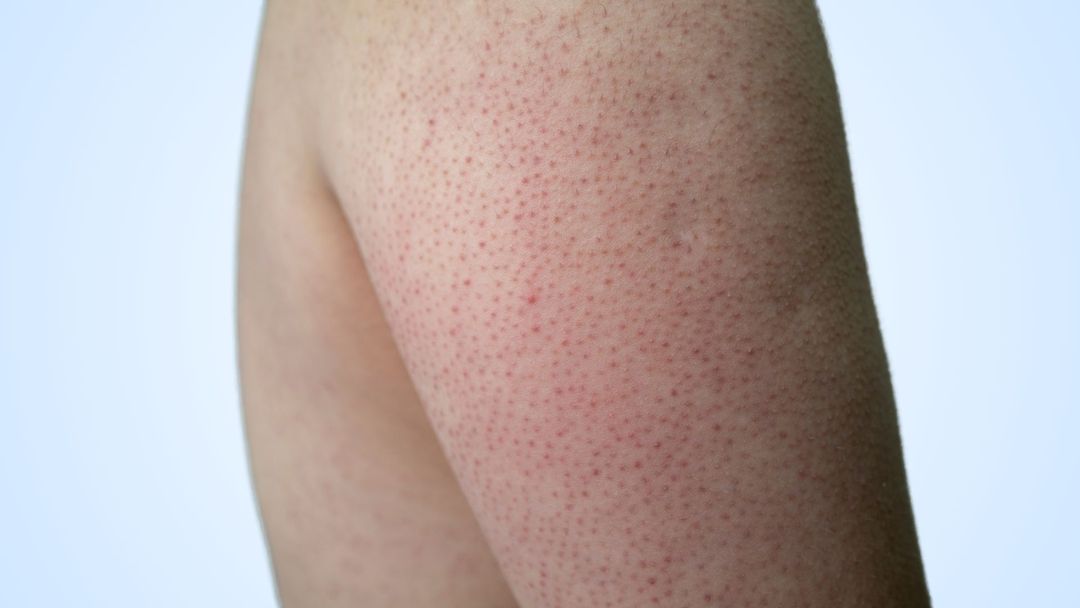
Changes how the follicle sheds its cells, so fewer plugs form in the first place. It is slower than the acids and more irritating, so it is usually a second step rather than a first one. Start two nights a week on one arm, and always put a moisturizer over it.
AHA
Texture and dullness
Rough patches, flaky skin, a dull surface, and the general look of skin that needs a reset.
Retinol
Lines, pigment and acne
The best-studied ingredient for photoaged skin. It also works on blackheads and post-acne marks at the same time.
AHA
Two to four weeks
Brightness comes quickly. Discolouration takes a few months.
Retinol
Three to six months
Texture usually improves first. Lines and pigment are the slowest things it changes.
AHA
As long as you like
It is maintenance. Skin returns to its usual turnover a few weeks after stopping.
Retinol
Years, for most people
There is no course to finish. Stopping means the skin drifts back to how it was over months.
AHA
Stinging and sun sensitivity
It can sting on application, especially on freshly washed skin, and it needs sunscreen alongside it every day.
Retinol
Peeling and redness at the start
The first few weeks are the worst of it. Starting slowly and moisturizing well avoids most of that.
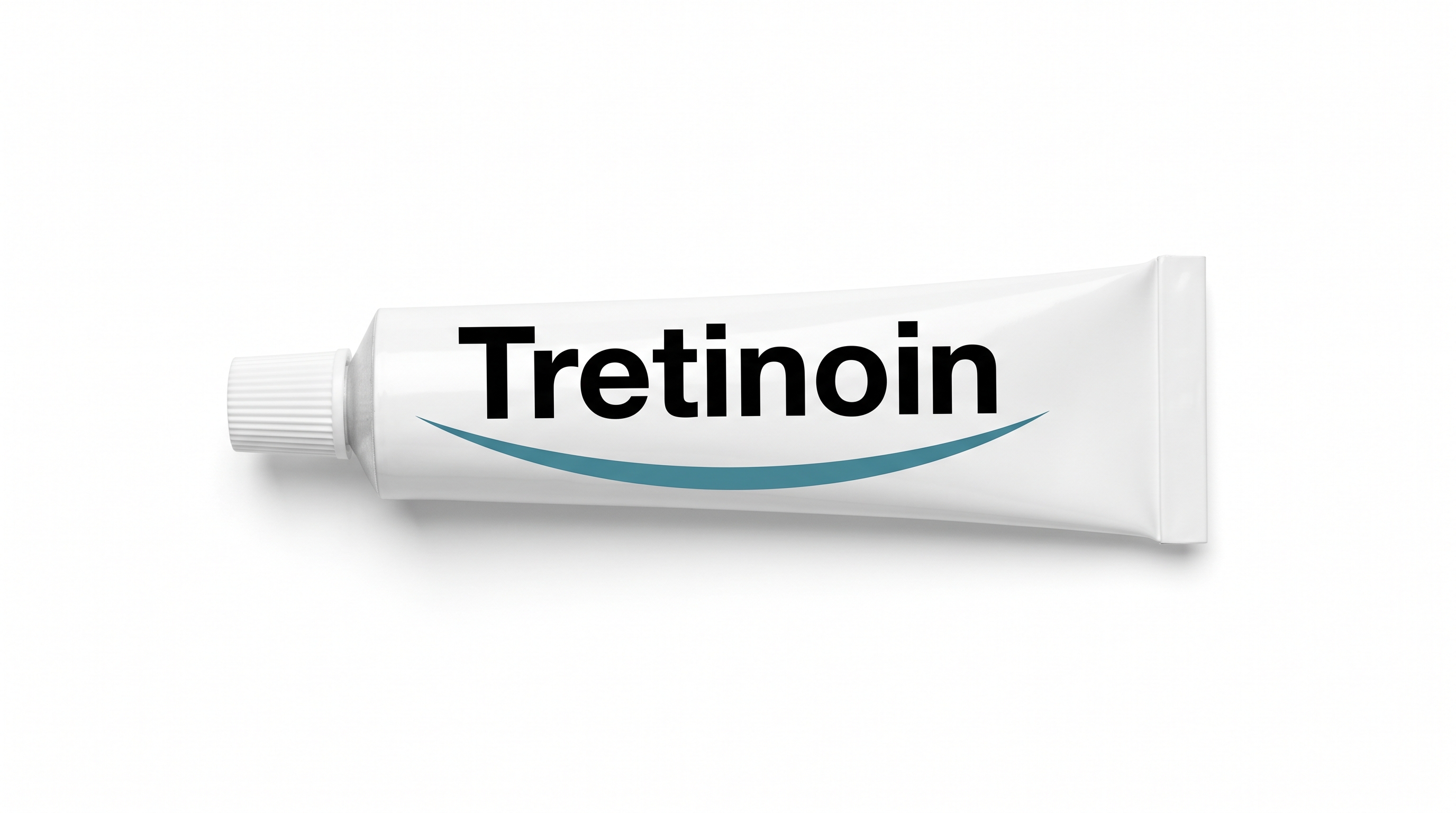
Strong evidence, more than any other topical for sun-related aging and for acne. Faster and more effective, and more irritating. It needs a prescription.
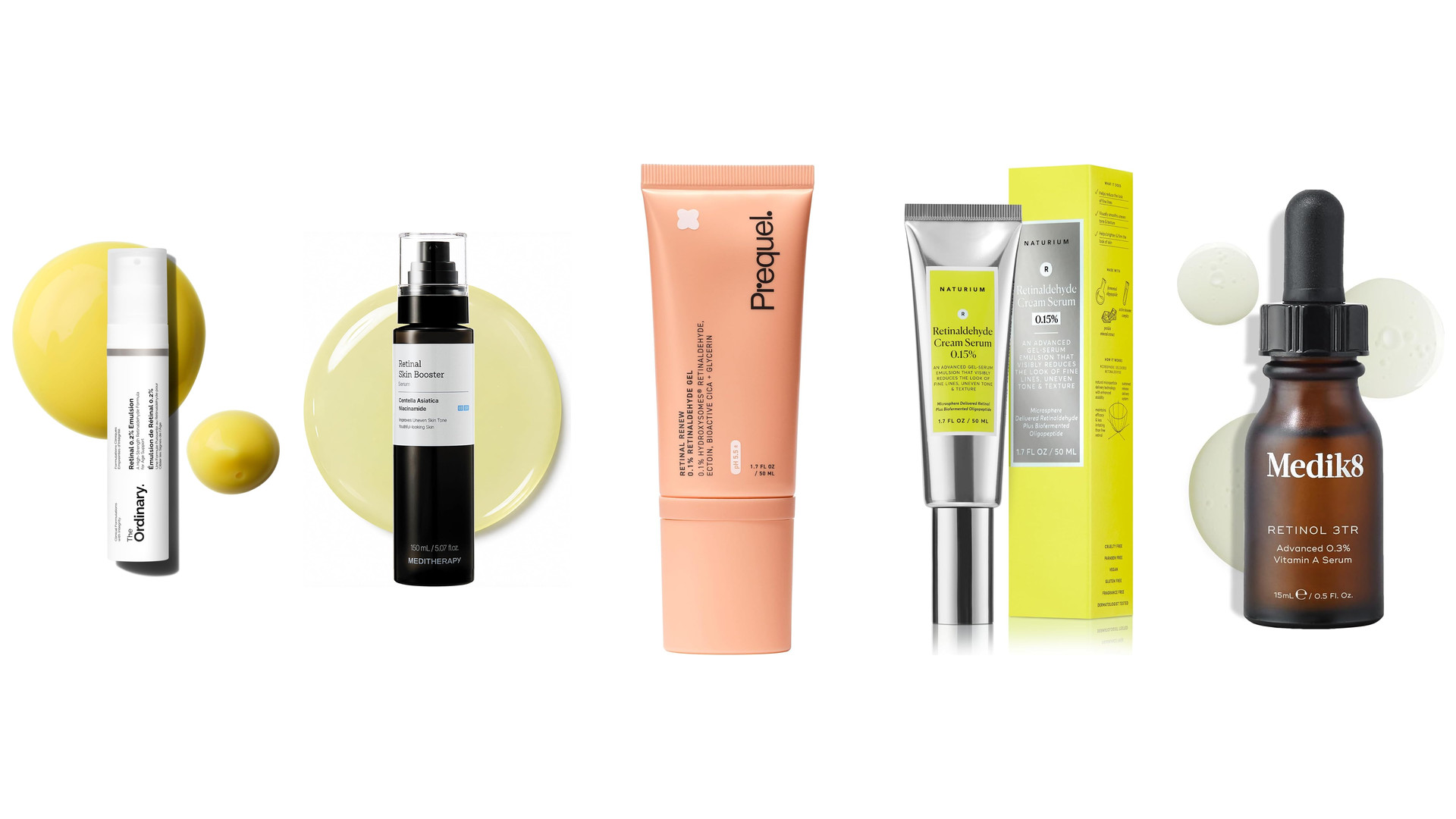
Moderate evidence. One conversion step from active instead of two, so likely stronger at the same percentage, with reports of similar tolerability. Fewer studies behind it, and it costs more.
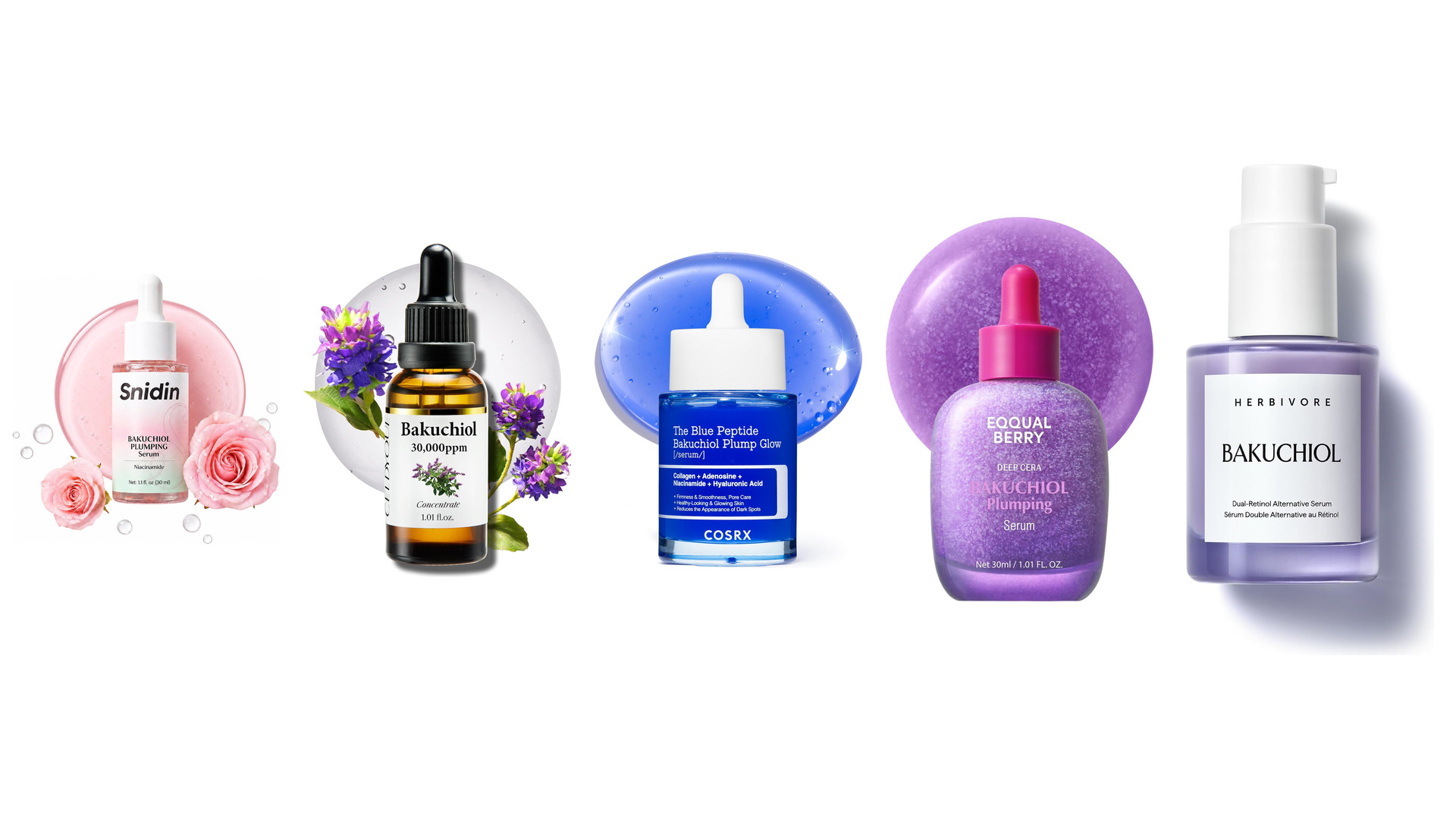
Limited evidence. Much gentler and not a retinoid at all. A small number of short trials, and nothing like retinol's track record.
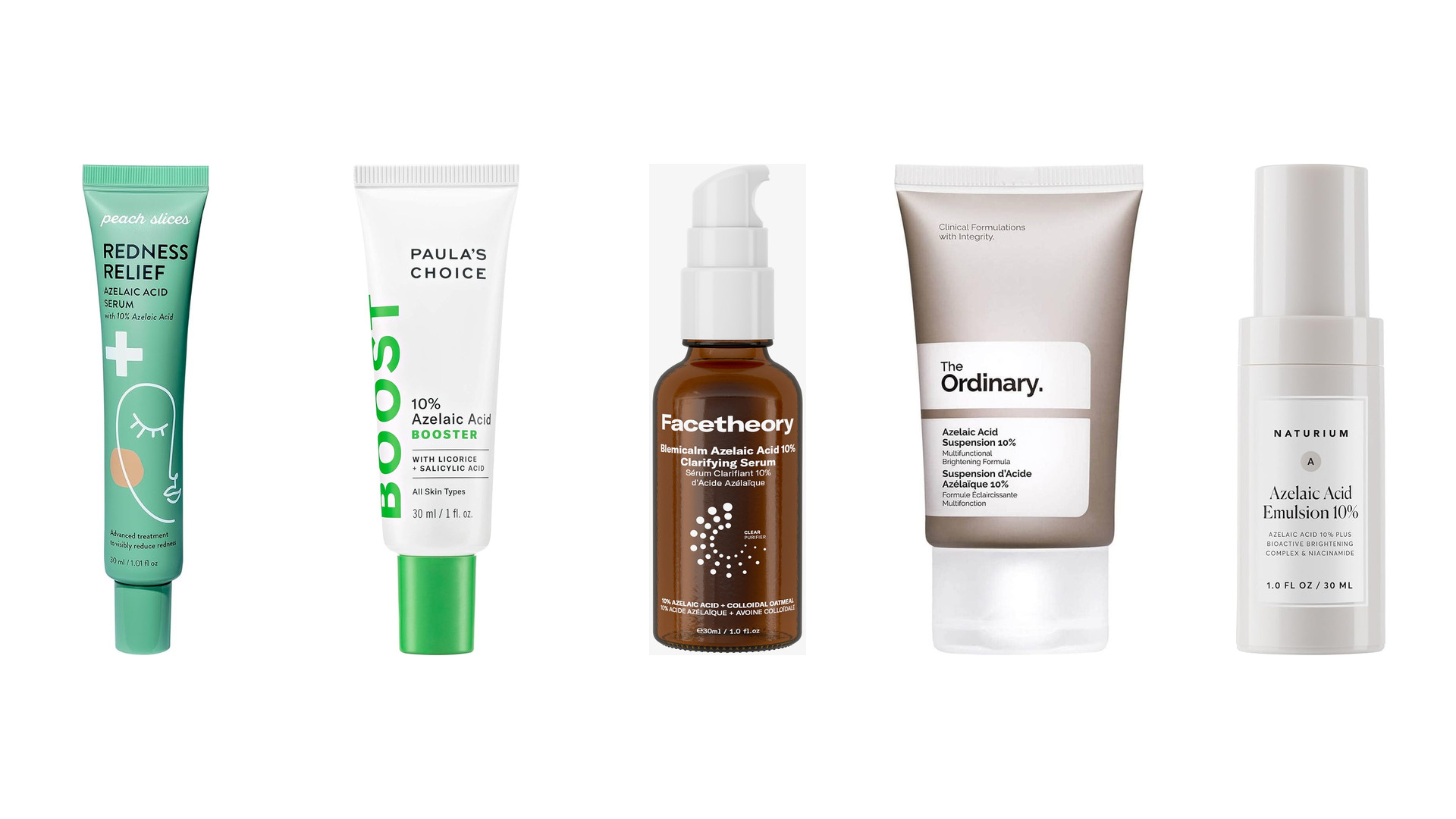
Strong evidence for acne, rosacea and dark marks. Gentler, and the usual option when retinoids have to stop.
AHA
Inexpensive at home, more in clinic
Drugstore serums and toners are cheap. A course of in-clinic peels costs considerably more.
Retinol
Cheap works
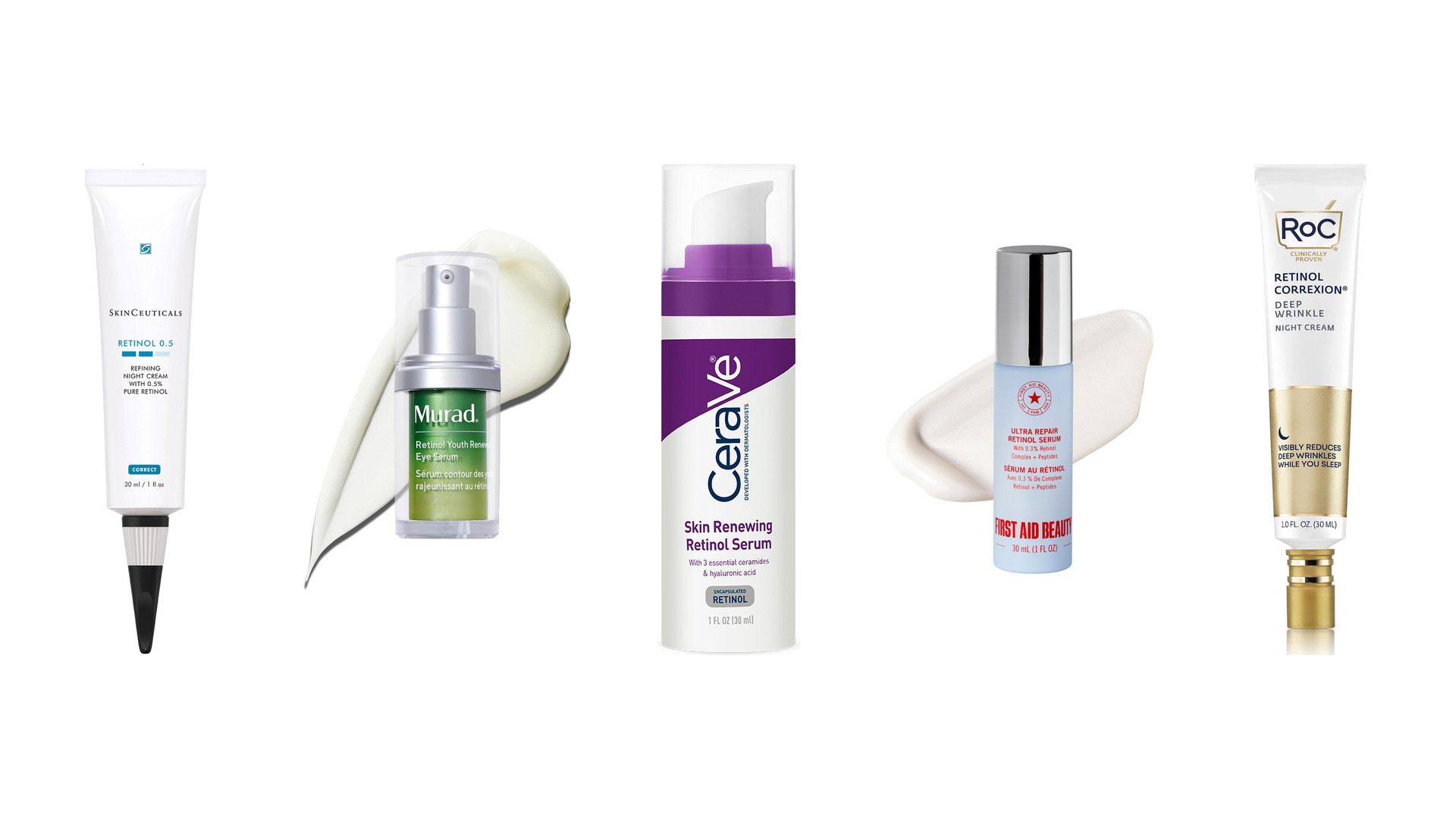
A drugstore retinol and a luxury one contain the same molecule. Price mostly buys the texture of the cream and the packaging.
AHA
The same acid, turned down
Drugstore AHAs are the same molecules a clinic uses, at lower strength and a higher pH. They work slowly and without peeling. A clinic peel is the same acid turned up.
Retinol
Retinol is the drugstore version
The prescription version is tretinoin, which is stronger and faster. Retinol is a weaker relative your skin has to convert before it works. It is a slower version of the same thing, not a different thing.
Thin, absorbs fast, layers under a moisturizer. Usually the highest strengths on the shelf.
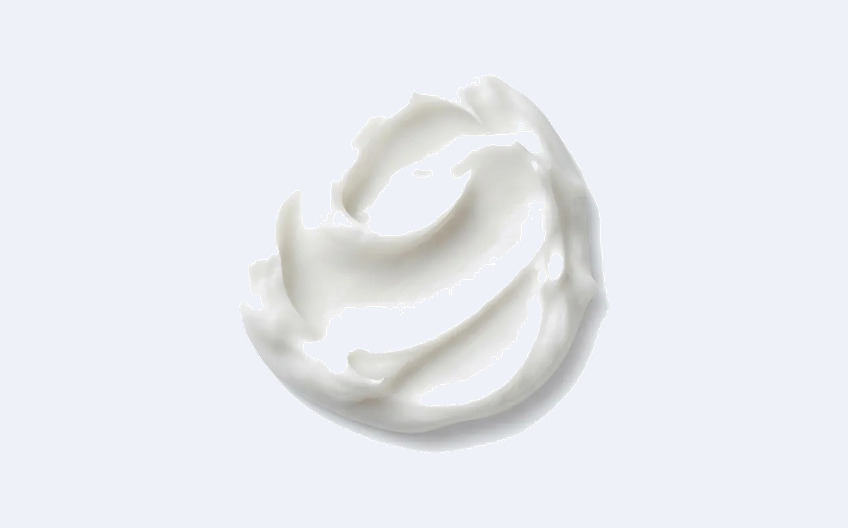
Cushions the first few weeks of dryness. The pick for dry or sensitive skin.
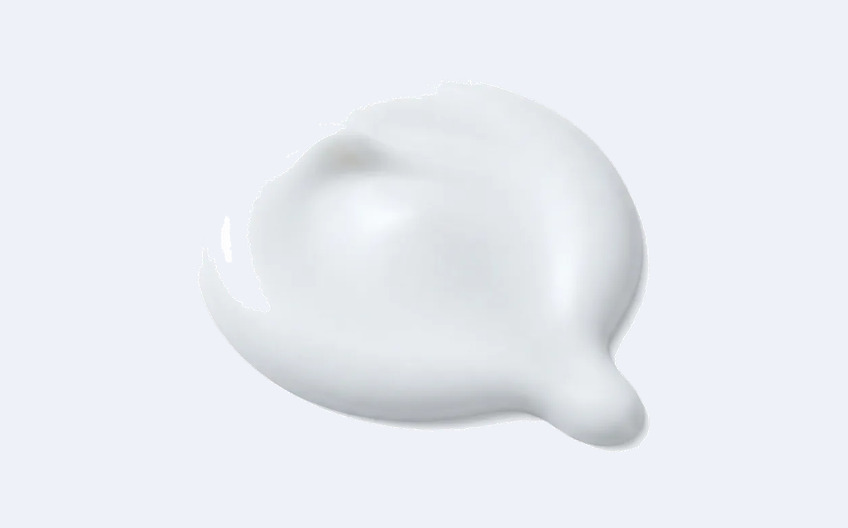
Thinner than a cream and spreads further, so it suits the chest, arms and back.
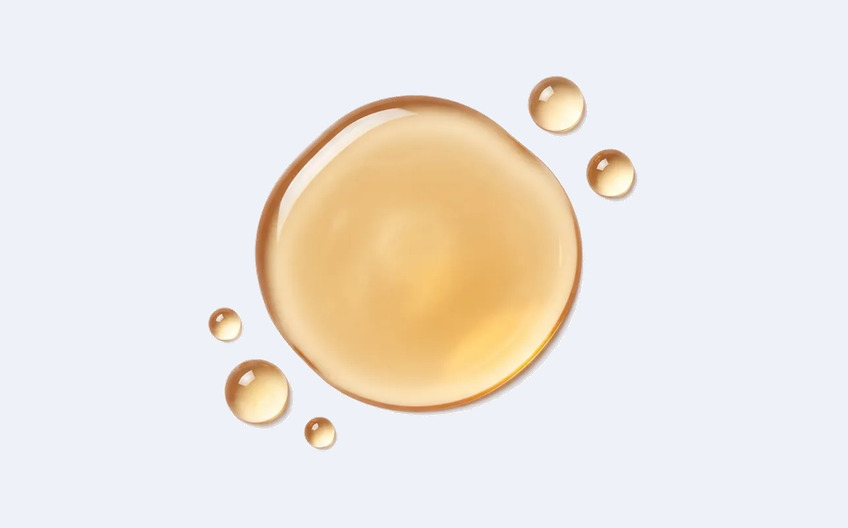
Carries retinol well and feels rich. Heavy finish if you are acne-prone.

Wrapped so it releases slowly. Genuinely gentler, but the same ingredient, not a stronger one.
AHA
AHAs work from the top down. They dissolve the bonds holding dead cells to the surface, so those cells lift away and the skin underneath looks fresher. Nothing about the deeper skin has changed.
Retinol
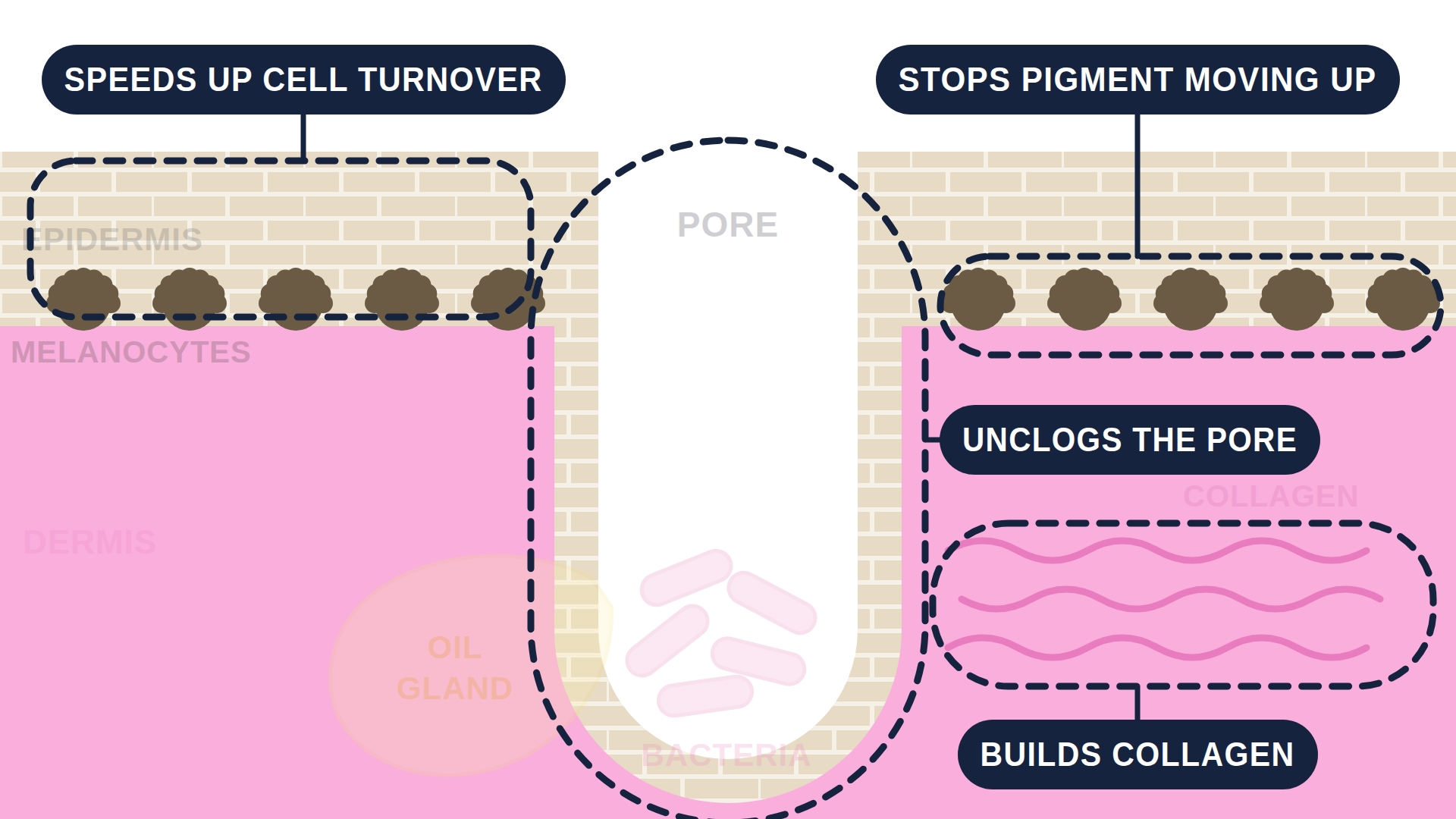
Retinol works from the bottom up. It binds to receptors inside skin cells and changes what they do — faster turnover, more collagen, calmer pigment cells. That is why it takes months and why the change holds.
AHA
Choose an AHA for dullness, rough texture and flaking. It is the faster, more forgiving option, and it is the easier one to start with if you have never used an active.
Retinol
Choose retinol for fine lines, sun damage and acne. It is the ingredient with the strongest evidence behind it for skin that has aged in the sun, and it treats spots and marks at the same time.
Choose retinol if you can only afford one thing. It does most of what an AHA does, plus a great deal an AHA cannot.
Retinol
Give the retinol priority when your skin is complaining. Drop the acid first. It is the one you can stop for a fortnight without losing progress.
Retinol
Common questions
Retinol, if you can only use one. It does most of what an AHA does for texture and tone, and it also builds collagen and treats acne. An AHA is faster and gentler to start with.
Not on the same night for most people. Alternating nights works well — retinol two or three nights a week, an AHA on one or two nights in between.
An AHA. Skin looks brighter and smoother within two to four weeks. Retinol takes three to six months to show its full effect.
Yes. AHA stands for alpha hydroxy acid, a family that includes glycolic, lactic and mandelic acid. They all exfoliate the surface of the skin.
Yes, both do. Daily broad-spectrum sunscreen is part of using either one, and skipping it undoes the pigment improvement faster than the ingredient can build it.
No. Visible peeling means the barrier is damaged rather than that the product is working. Drop back to fewer nights a week and moisturize until the skin settles.