Melasma

Melasma is a soft-edged brown patch, and the two sides of your face roughly match. It darkens through the summer and fades over the winter. Sun spots are separate brown spots with a sharp edge, and you can count them. Each one marks a place the sun landed year after year, and they do not fade.
| The difference | Melasma | Sun Spots (Solar Lentigines) |
|---|---|---|
| What it is | Pigment cells switched on too easily | Stored damage from years of sun |
| What it looks like | Broad blotchy patches | Separate flat spots |
| What it does over time | Fades and returns | Builds up and stays |
| Treatment | Sun protection first, then fading creams | Removed one spot at a time |

Side by side
Melasma
Pigment cells switched on too easily
Your skin has the usual number of pigment cells. They react too readily to sun, heat and hormonal changes, and lay down extra melanin.
Sun Spots (Solar Lentigines)
Stored damage from years of sun
Each spot is a small area where repeated ultraviolet light has left the pigment cells permanently overproducing.

Pigment cells sit spaced out along the base of the top layer of skin, handing an even amount of pigment to the cells around them. Sunlight and heat reach normal skin too. These cells switch on briefly, then settle back down, so the color across a cheek stays even.

Sunlight, the visible light we can see, and plain heat all land on the skin. This is why a patch darkens on a cloudy day, over a hot stove or through a car window, and it is the step that sun protection is aimed at.

The pigment cells inside a melasma patch are unusually easy to switch on and slow to switch off, and hormones from pregnancy or the pill keep them primed. That is why the same short walk to the car darkens the patch and does nothing to the skin beside it.

The switched-on cells make extra melanin and hand it to the skin cells around them. Some of it drops through into the deeper layer of skin, where scavenger cells hold onto it, and that deeper pigment is the gray-brown part creams reach poorly.

The skin under a patch is not normal skin. Sun damage, extra blood vessels and the supporting layer beneath keep sending growth signals up to the pigment cells, so they stay primed even when the surface looks even. Almost everything on the lists below is pushing on this step.
Pigment cells sit spaced evenly along the base of the top layer of skin. Each one hands a small, steady amount of pigment to the cells around it, so the color comes out even. The underside of that layer runs smooth, with nowhere for extra pigment to collect.

Ultraviolet light lands on the same areas over and over, in ordinary daily doses as much as in holidays and sunburns. Nothing is visible at this stage. It is the total across decades that counts, which is why spots turn up in middle age rather than after one summer.

In small patches, the pigment cells at the base of the top layer of skin become both more numerous and more active than the cells around them. That local cluster is what a sun spot actually is, and it is the step the lightening creams are aimed at.

The underside of the top skin layer thickens into small downward ridges, and the extra pigment collects in them. This is why a sun spot keeps a fixed shape with a sharp edge, and why it does not come and go the way a tan or a freckle does.

Every new dose of ultraviolet light darkens the spots already there and starts new clusters elsewhere on exposed skin. This is why removing one spot does nothing to prevent the next, and it is the step almost everything on the lists below is pushing on.
Melasma
Broad blotchy patches
Large areas of fairly even brown across both cheeks, the forehead, the upper lip or the jawline.
Sun Spots (Solar Lentigines)
Separate flat spots
Round or oval, from a few millimetres to about a centimetre, with normal skin in between them.
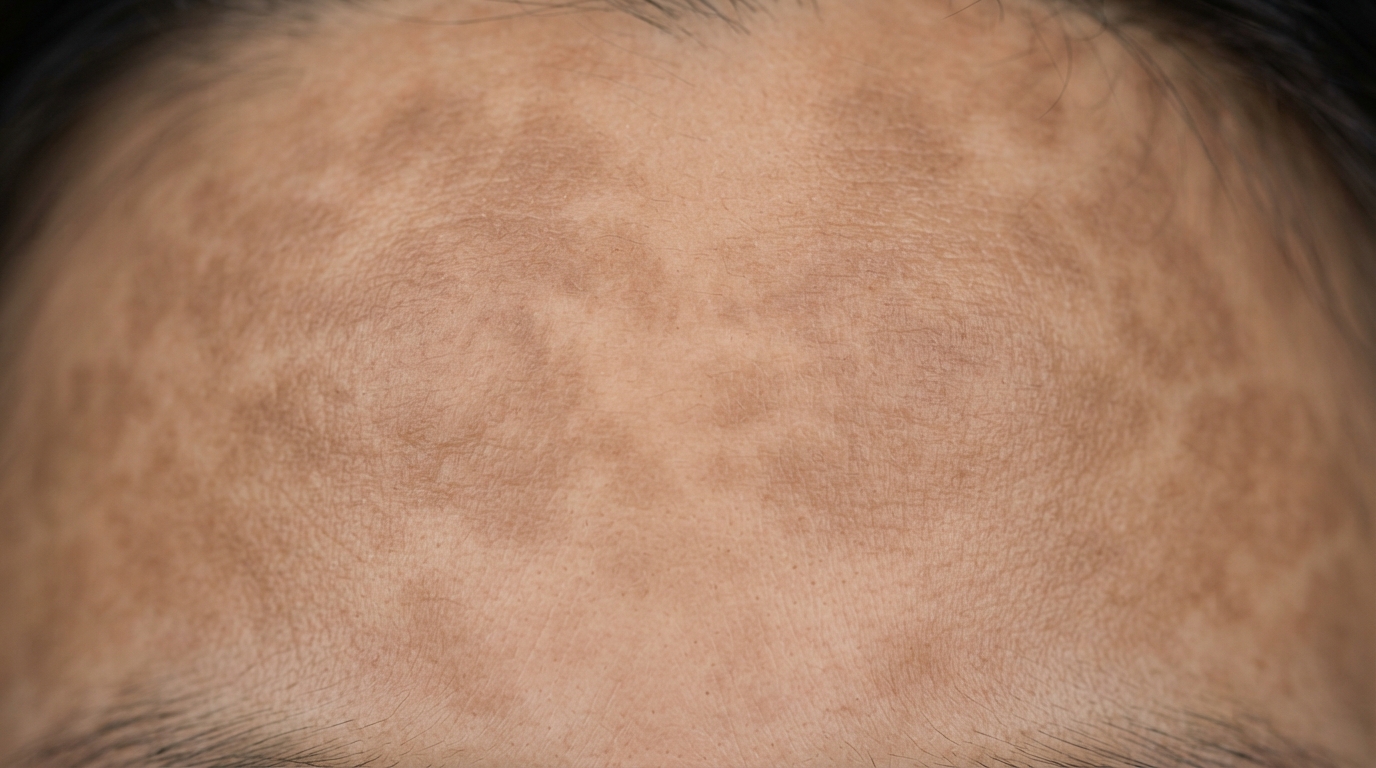
Symmetrical brown or gray-brown patches across the forehead, nose, upper lip and chin, with soft, blurred edges. It darkens with sun, heat and hormonal change. Daily sun protection does more for it than any single product.
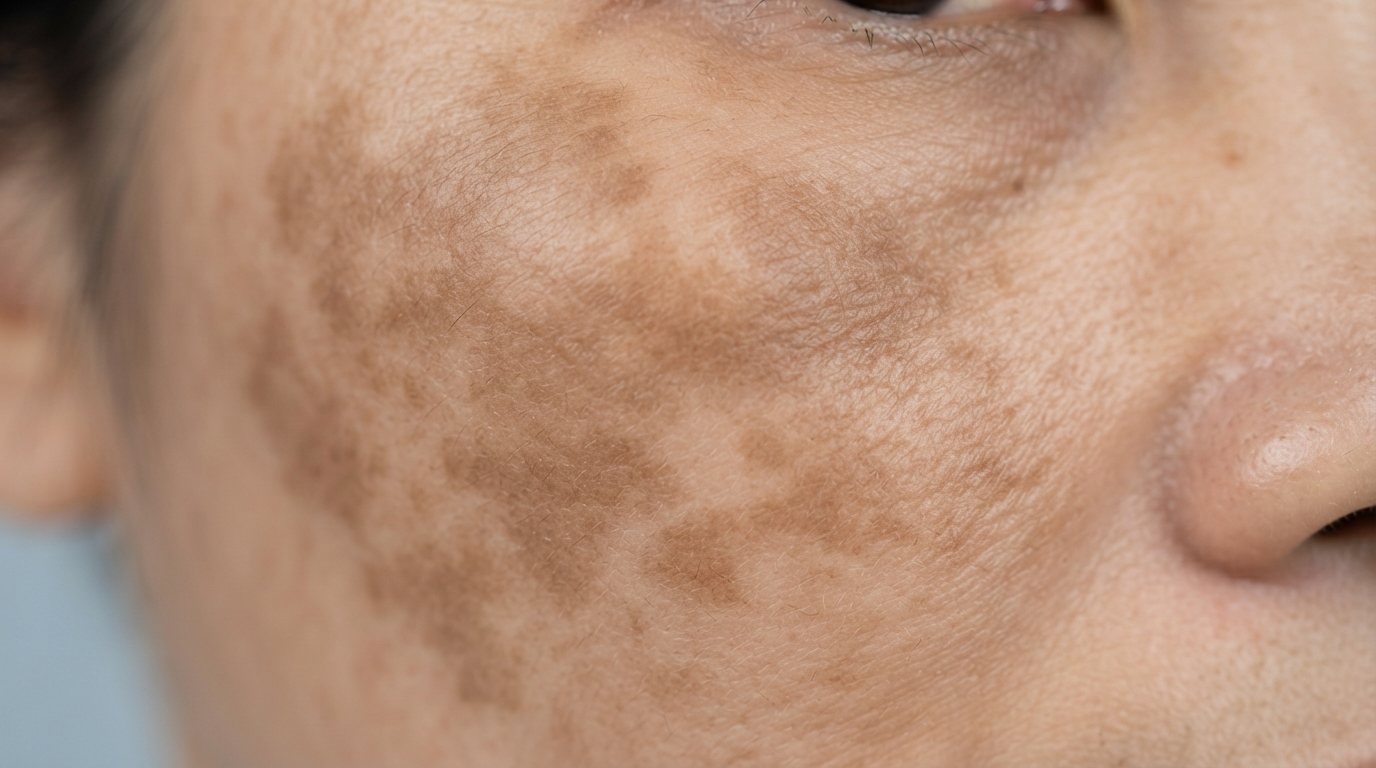
Patches sitting mainly over the cheekbones on both sides, often in a mirror-image pattern. It is common in pregnancy and with hormonal contraception. It can fade slowly after the hormonal trigger changes, but not always.
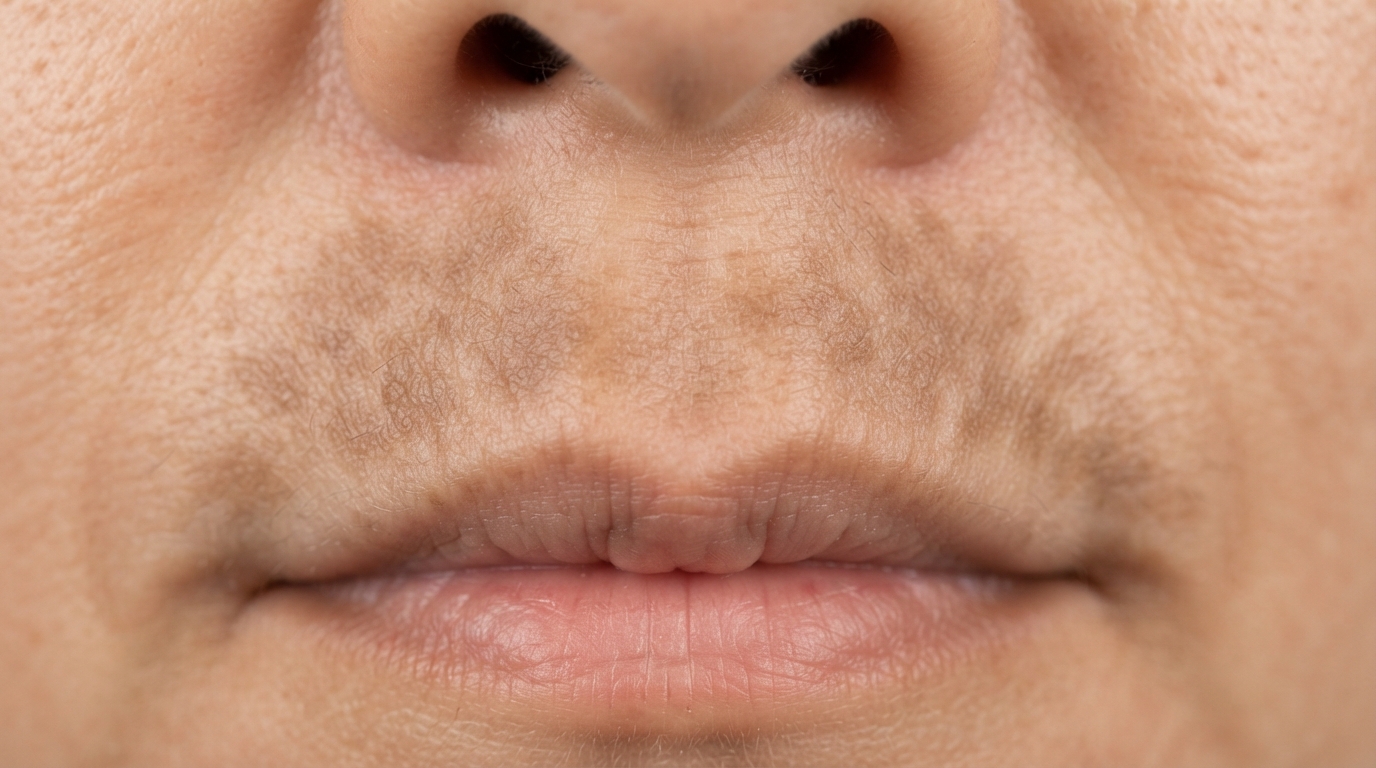
Patches along the jawline and sides of the face, which tend to appear later in life. This pattern is often more stubborn than the others. Heat and visible light, not only ultraviolet, keep it going.
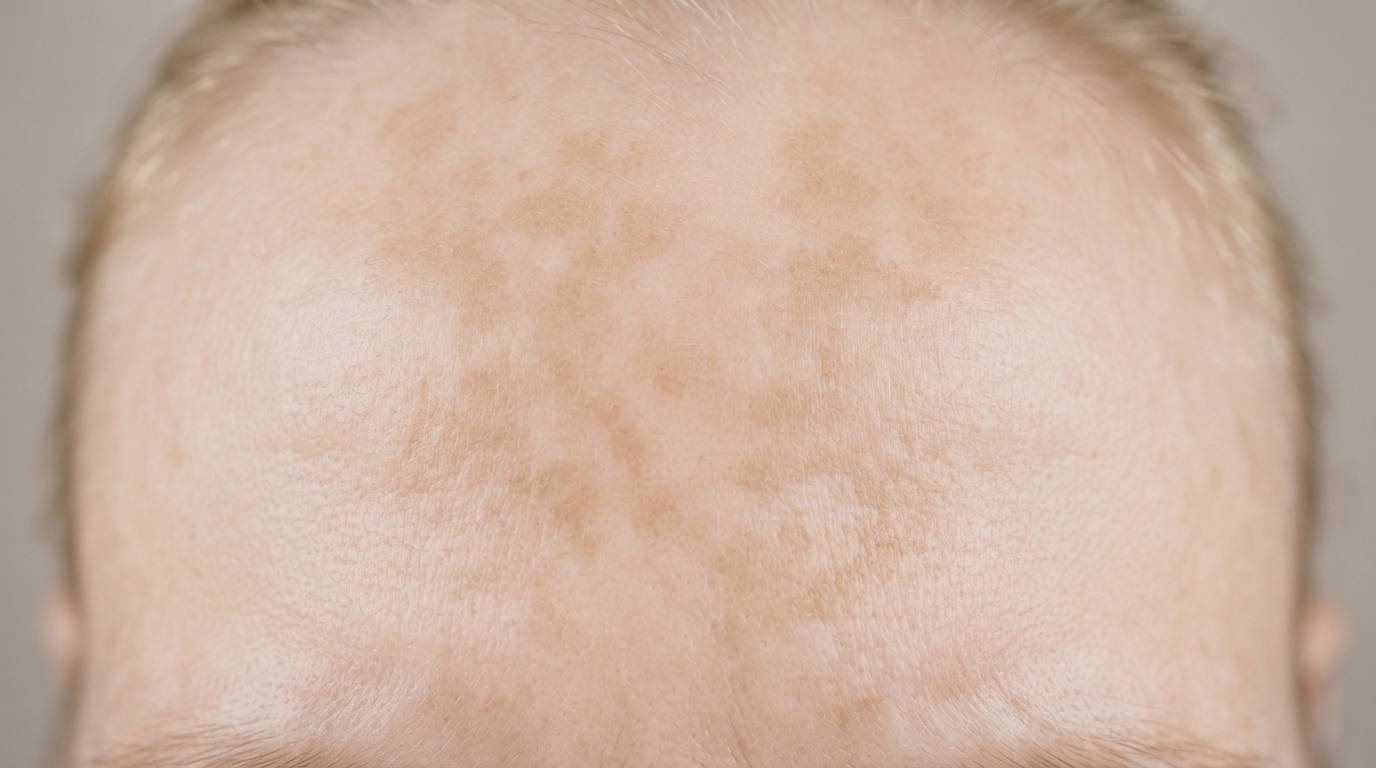
On light skin melasma shows as flat tan or light brown patches with soft, blurred edges, usually across the forehead, the cheeks and the upper lip, and usually matching on both sides of the face. It is completely flat. If you can feel it, it is something else. The common mistake here is reading it as freckles or ordinary sun damage and reaching for a scrub, when sunlight, heat and hormone change are what keep it going.
Melasma is much more common from medium skin tones onward, and it tends to start earlier and cover more of the face. The patches read mid-brown against a background that is already warm, so the border is softer and it can look like an uneven tan that never evens out. Visible light, the light you can see, drives the pigment here as much as ultraviolet light does, and a clear sunscreen blocks almost none of it. The tint in a mineral sunscreen is the working part, not a cosmetic choice.

On deeper skin tones the color is often gray, slate or blue-brown rather than plain brown. That shade means more of the pigment has settled into the deeper layer of the skin, and deep pigment clears slowly. Progress is measured in months, and the realistic goal is lighter and more even rather than gone. Sun protection every day is what holds the ground that creams gain.
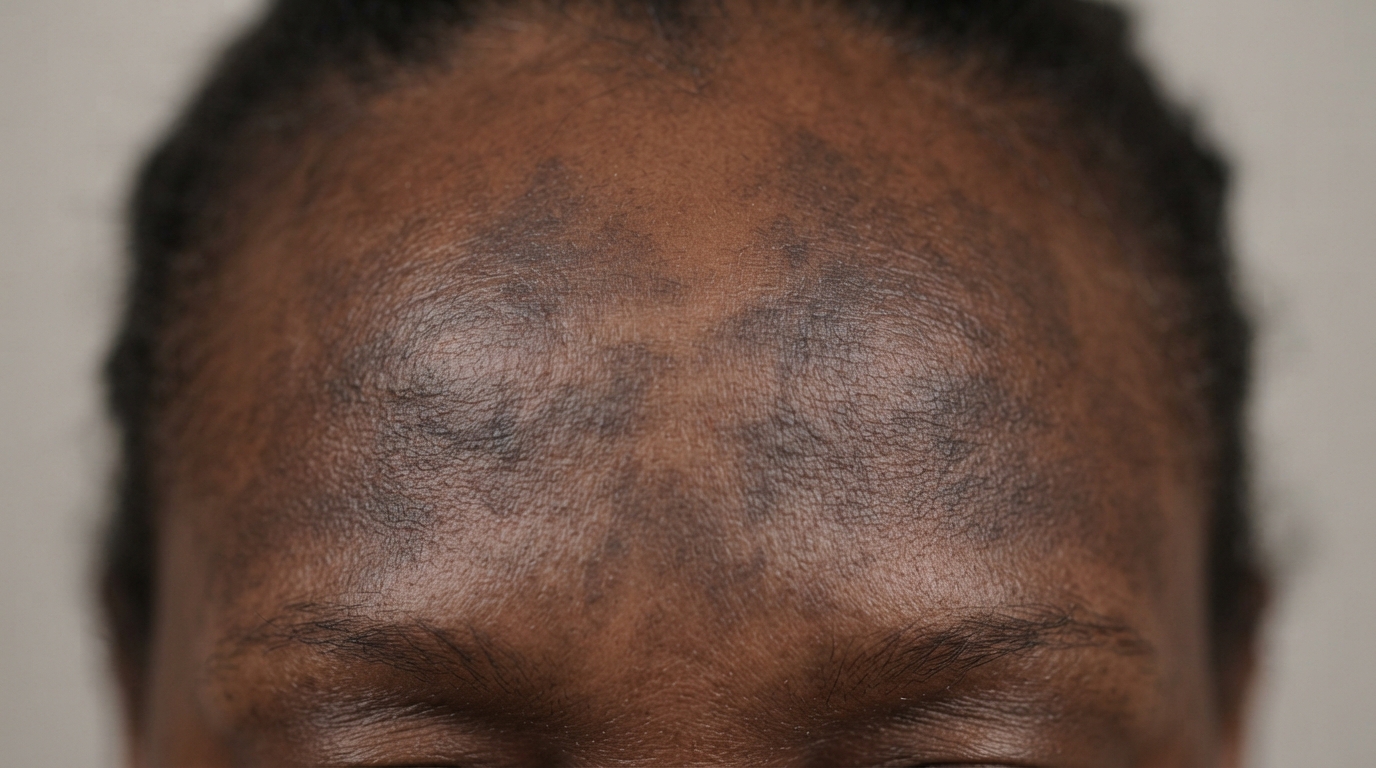
The biggest avoidable risk on deep skin is the treatment itself. Strong peels, high-energy lasers, hair removal lasers used near a patch and hard scrubbing all inflame the skin, and inflamed skin with active pigment cells makes more pigment. That is how a course of treatment can leave a face darker than it started. Creams bought outside a doctor's care do the same: long, unbroken use of high-strength hydroquinone can cause a blue-black discoloration that is far more stubborn than the melasma was. Used properly, in supervised courses, hydroquinone is still one of the most effective treatments there is.
Melasma
Soft and blurry
The colour fades out into normal skin. There is no line where the patch stops.
Sun Spots (Solar Lentigines)
Sharp and clean
Each spot has a border you could trace with a pen.
Melasma
The face, in a mirrored pattern
Cheeks, forehead, upper lip and jawline, sometimes the neck and forearms. Cover half your face in the mirror. If the two sides broadly match, that points to melasma.
Sun Spots (Solar Lentigines)
Wherever the sun kept landing
Face, backs of the hands, forearms, chest and shoulders. The pattern follows exposure, so drivers often have more on one side.
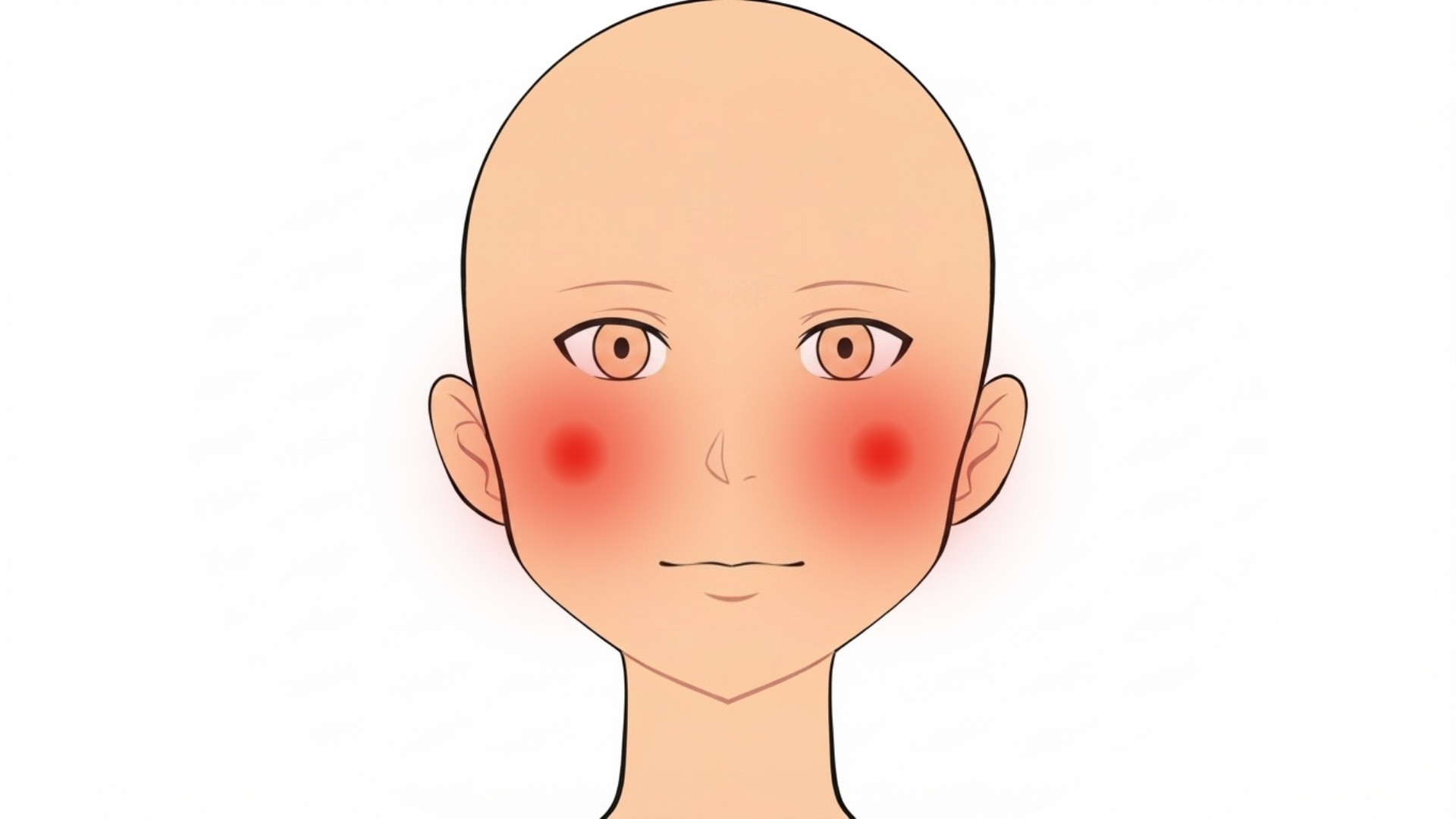
The most common pattern. The patches sit on the cheekbones and spread out toward the temples, and they are close to symmetric — a patch on one cheek almost always has a match on the other.
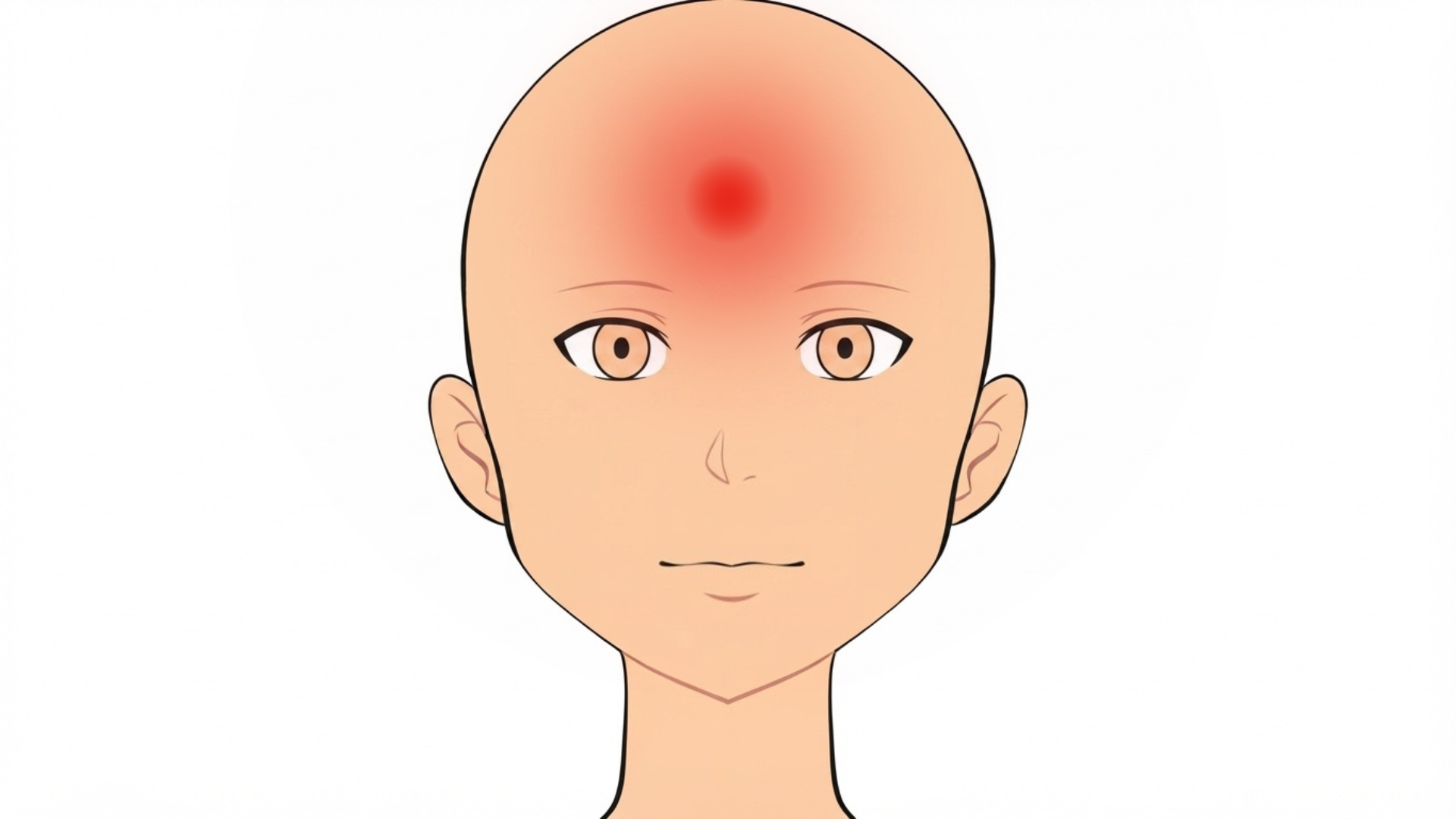
A band across the forehead, strongest at the sides and fading up into the hairline. It is easy to mistake for a tan, because it follows the part of the face the sun reaches first.
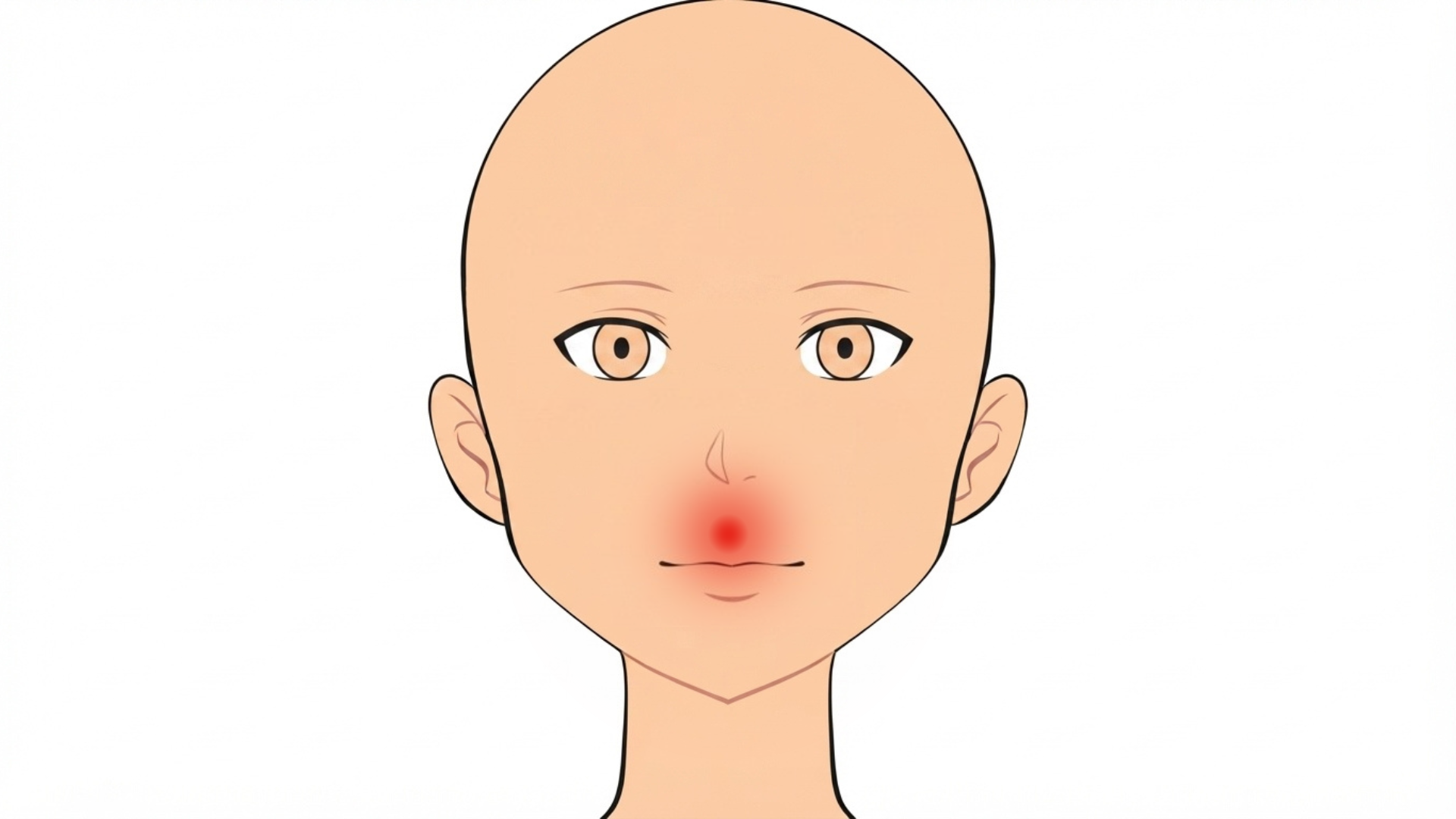
A brown band above the lip, shaped like a moustache. This is the one people recognize least, and the one most often blamed on waxing or other hair removal.
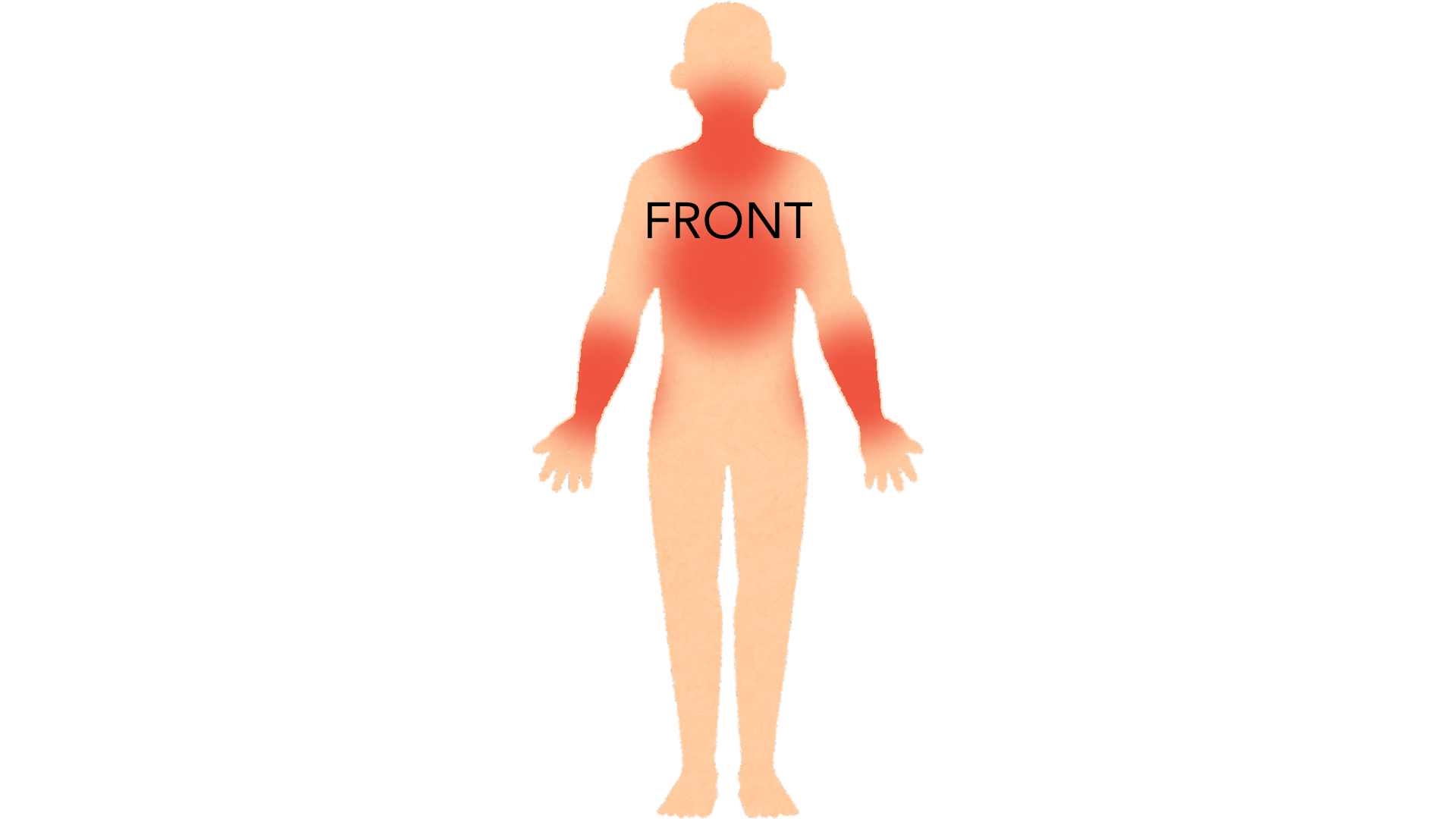
It can also appear on the forearms, the front of the neck and the upper chest, which are the other places the sun reaches every day. These patches respond more slowly than the ones on the face.
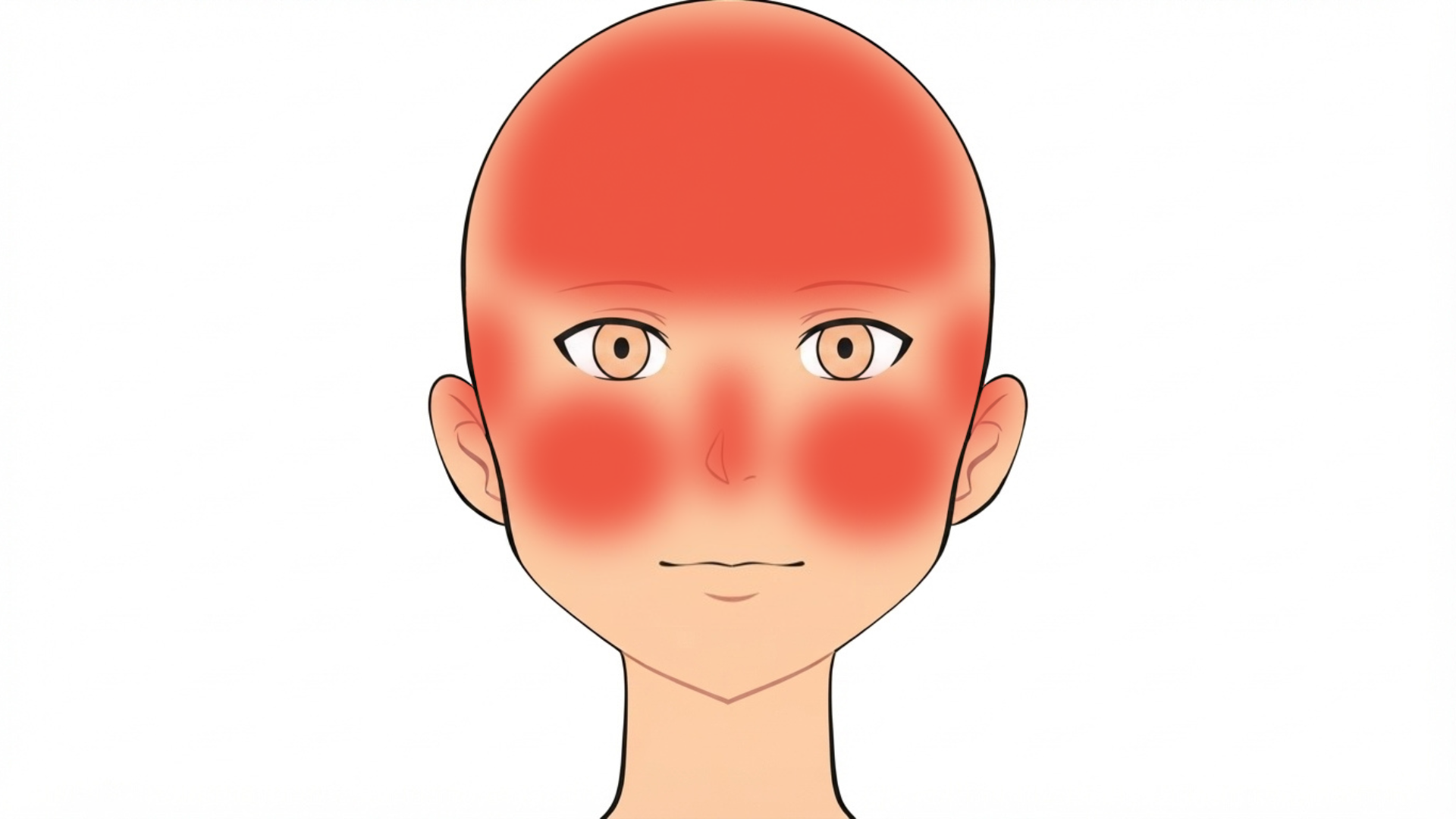
Sun spots turn up where the sun lands most and stay away from skin that is usually covered. On the face that means the forehead and the cheeks, plus the scalp in people with thinning hair. The pattern is often lopsided — drivers frequently have more on the side nearest the window.
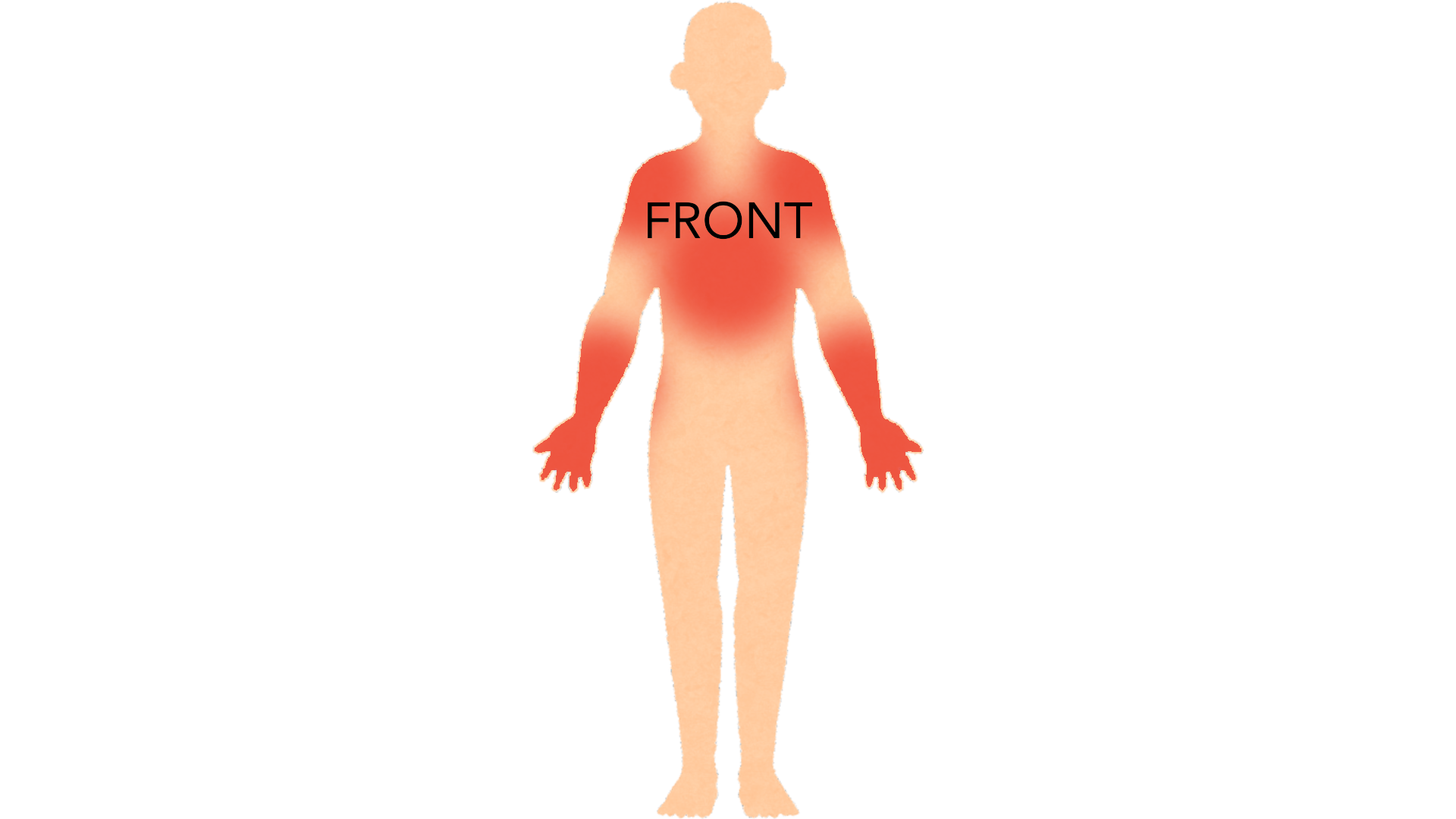
The backs of the hands are the site most people notice first, and the forearms and the upper chest follow. These are flat and smooth — if a patch feels rough like fine sandpaper, it is an actinic keratosis rather than a sun spot, and that one gets treated.
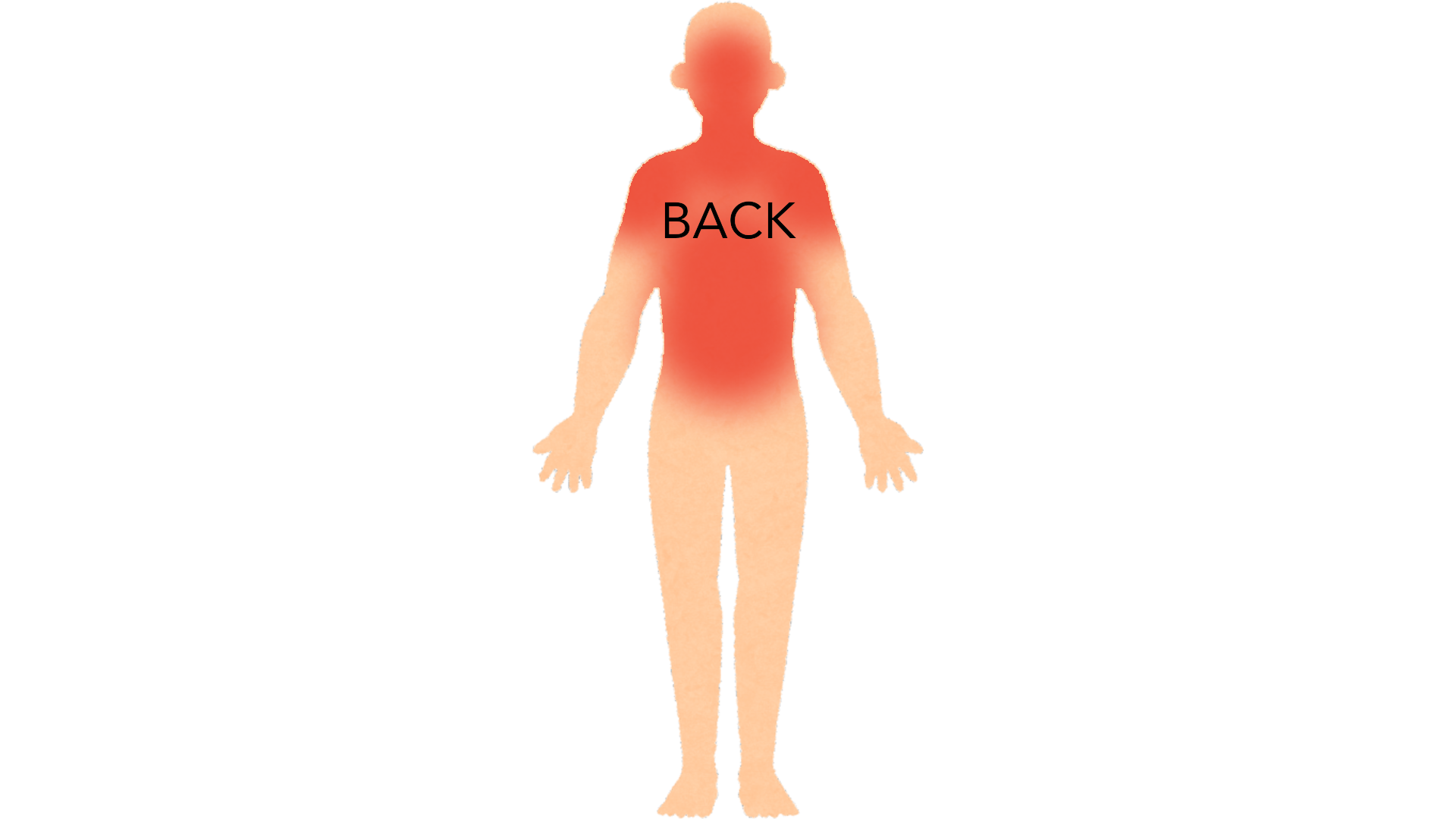
The shoulders and upper back collect them in anyone who has spent summers outdoors, and they are the ones nobody sees. They are harmless, and the reason to know them is so a changing spot among them is not written off as another one.
Melasma
Sun, heat and hormonal changes
Heat counts on its own, so saunas, hot kitchens and a sunny car window all set it off. Hormonal changes, including from hormonal birth control, push it too.
Sun Spots (Solar Lentigines)
More sun, year after year
Nothing else adds spots. Each unprotected summer adds to a running total.
Melasma
Fades and returns
It lightens in winter and with treatment, then comes back with sun, heat or a hormonal change. It rarely clears once and stays clear.
Sun Spots (Solar Lentigines)
Builds up and stays
Spots do not fade in winter and do not clear on their own. New ones keep arriving while the exposure continues.
Melasma
Sun protection first, then fading creams
Daily broad-spectrum sunscreen matters more than anything else, and a tinted one with iron oxides also blocks the visible light that drives it. Hydroquinone, azelaic acid, tranexamic acid and gentle peels fade it. Lasers are used carefully, if at all.
Sun Spots (Solar Lentigines)
Removed one spot at a time
Cryotherapy, lasers and intense pulsed light clear individual spots well, often in one or two sessions. Creams fade them more slowly. Sunscreen stops new ones forming.
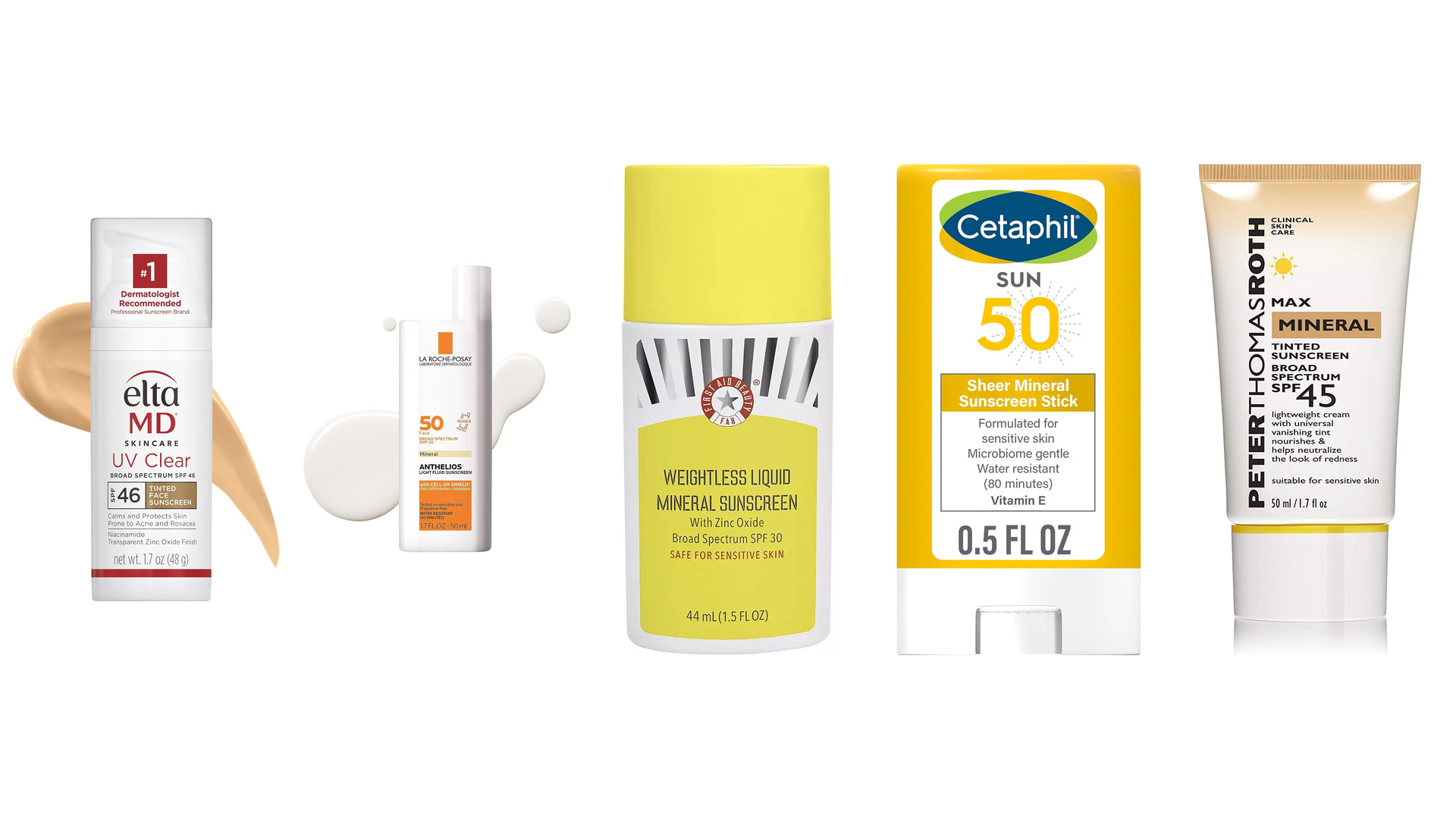
The single most useful thing on this page, and what makes everything else worth using. Broad spectrum, SPF 30 or higher, mineral and tinted: the iron oxides that give it color are what block visible light, and visible light drives melasma just as ultraviolet light does. A clear sunscreen does almost nothing to that part. A prescription cream worn without this loses ground every summer.
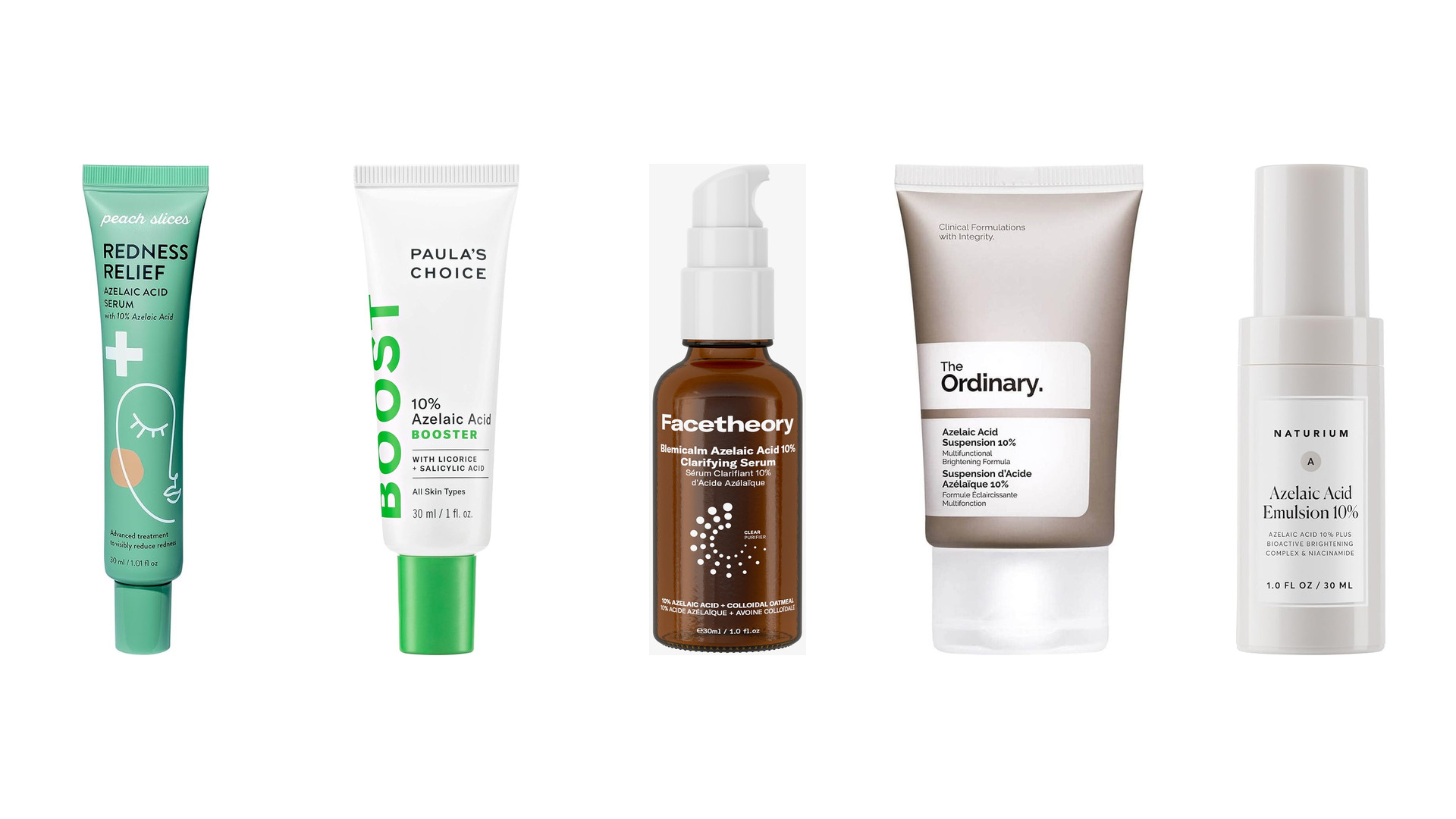
Calms overactive pigment cells without bleaching the normal skin around them, which is why it can be used for months at a time instead of in short courses. That makes it one of the better options for holding a result after a course of hydroquinone. The over-the-counter strength works slowly, and the prescription strength works better.
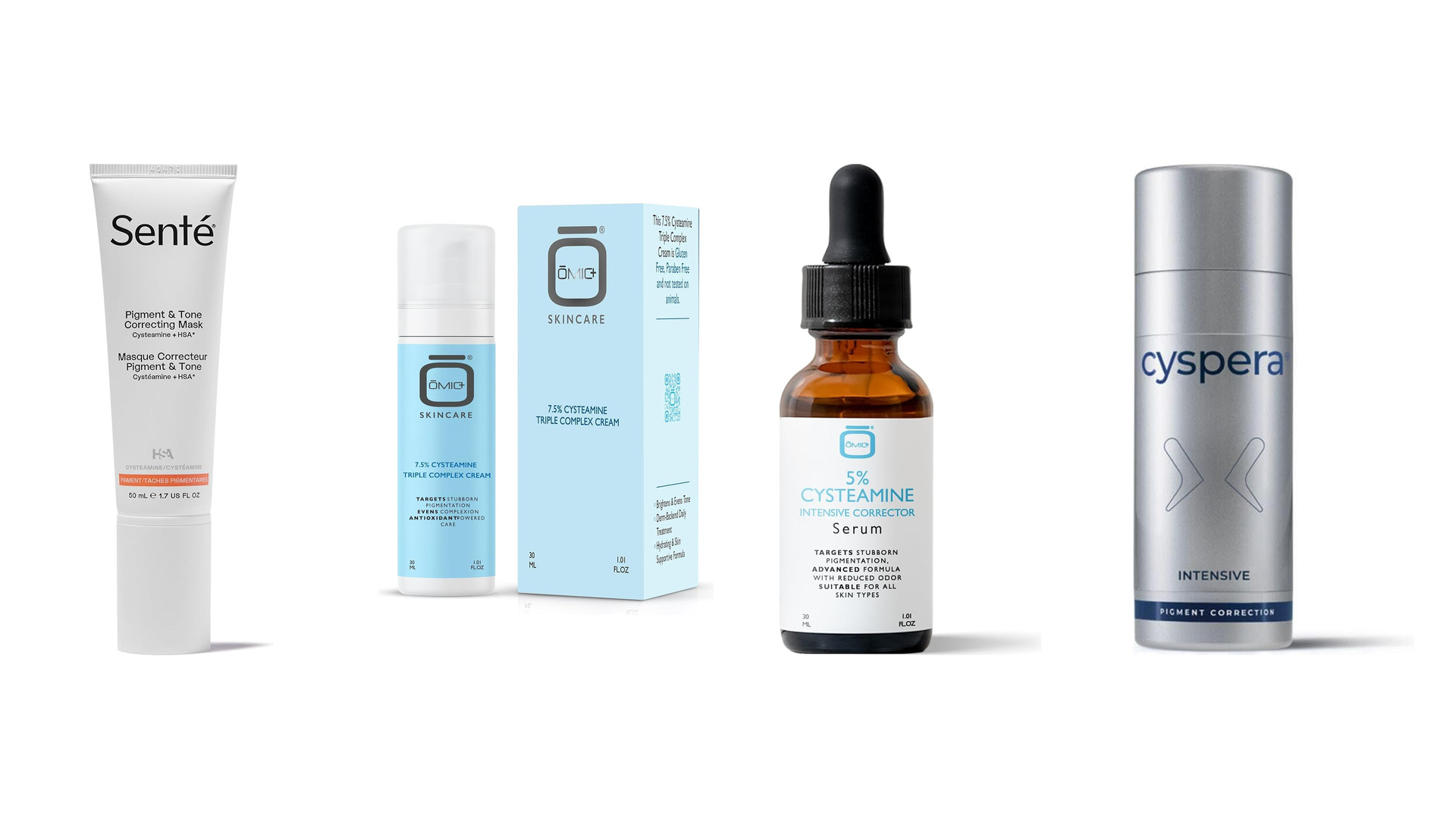
Put on dry skin, left for about 15 minutes and then washed off rather than left on overnight. It is the over-the-counter option with the most real trial evidence in melasma, and it suits people who want to avoid hydroquinone or need something for the gaps between courses. The smell is the usual reason people give up on it.
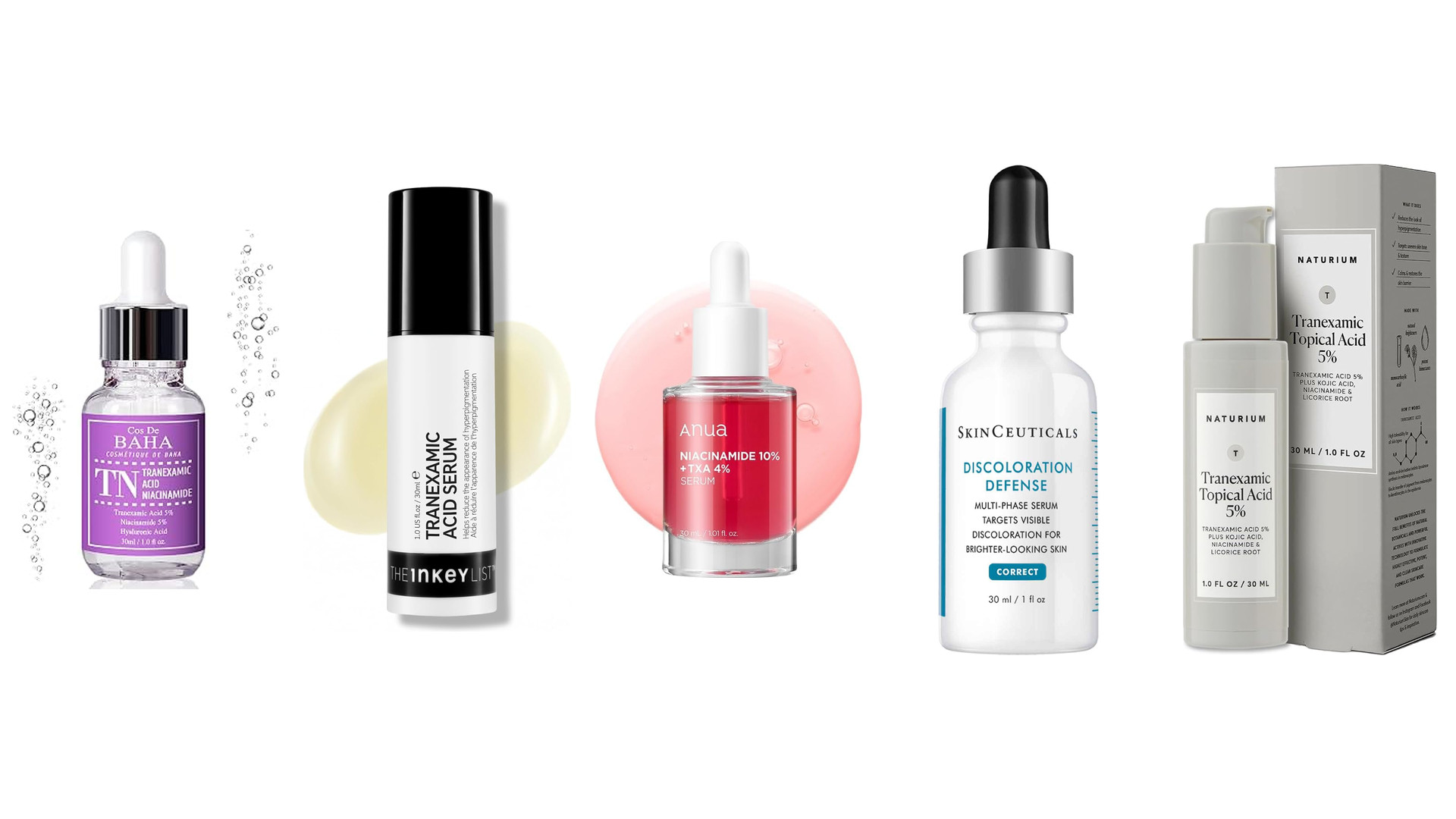
Works on a different part of melasma from the pigment-blocking creams. It quietens the signals coming from blood vessels and the skin underneath, which is the fourth step and the reason patches keep returning. That makes it a useful addition for stubborn melasma rather than a first treatment on its own. Twice a day, judged at three months.
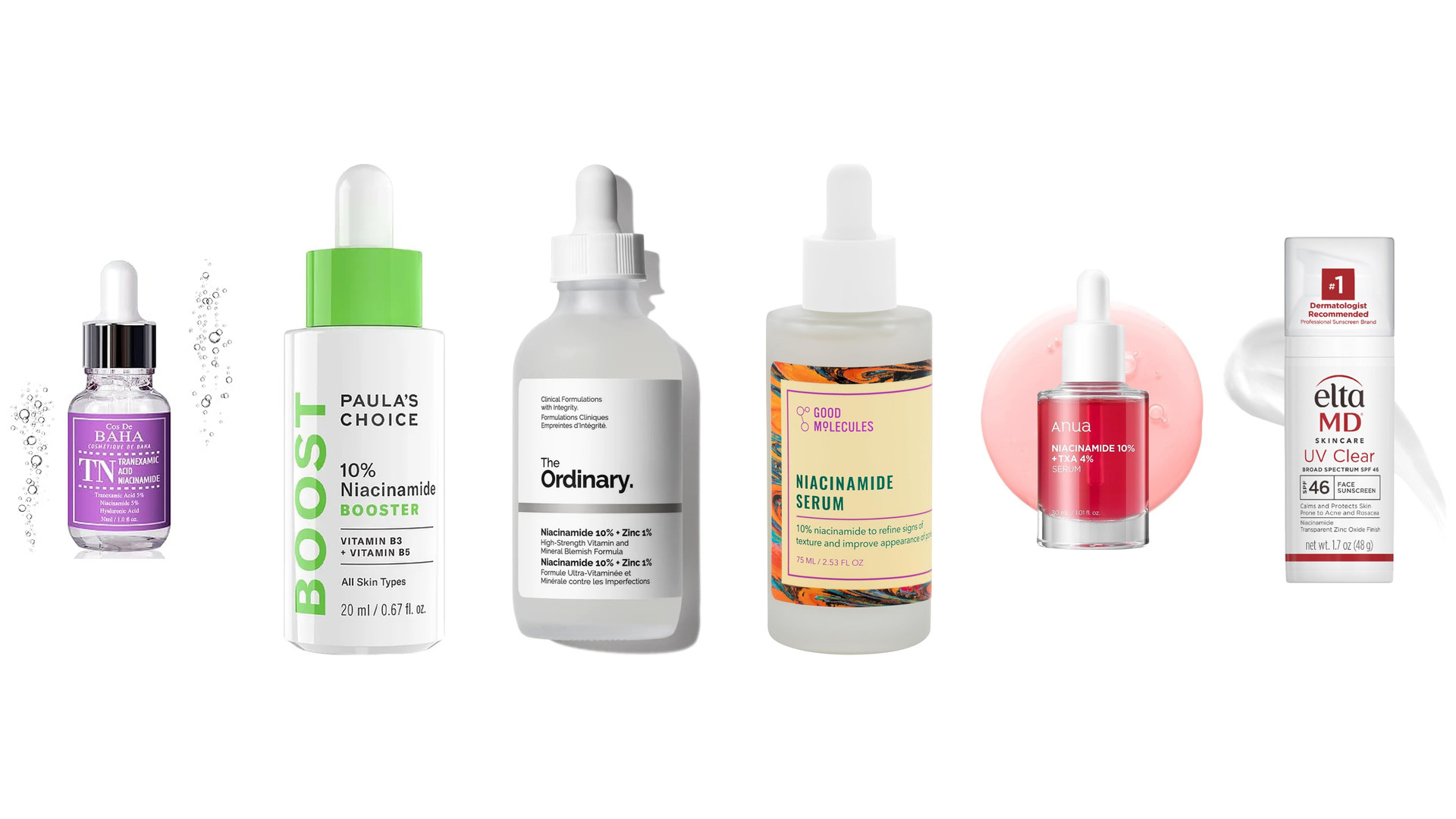
Slows the handover of pigment from pigment cells to the skin cells around them. Modest on its own and not something that will clear a patch, but it is well tolerated and it does not sting, which counts for a lot in a condition where irritation makes things worse. It sits comfortably alongside the stronger treatments.
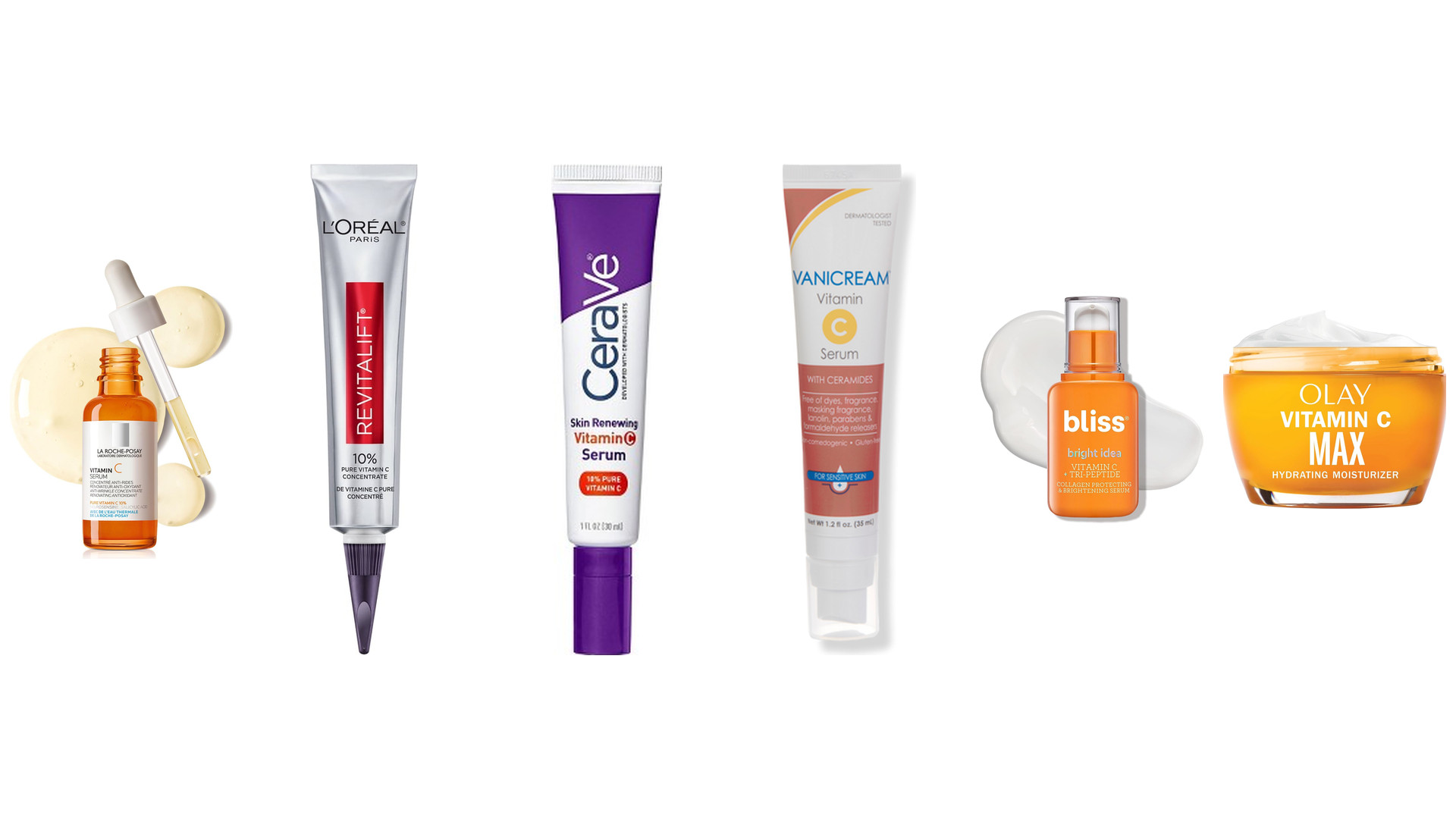
Lightens surface pigment a little and helps sunscreen do its job during the day. It is a reasonable thing to try in the three months before asking for a prescription, and a reasonable thing to keep for maintenance afterwards. On its own it rarely shifts an established patch, and it does not replace sun protection.
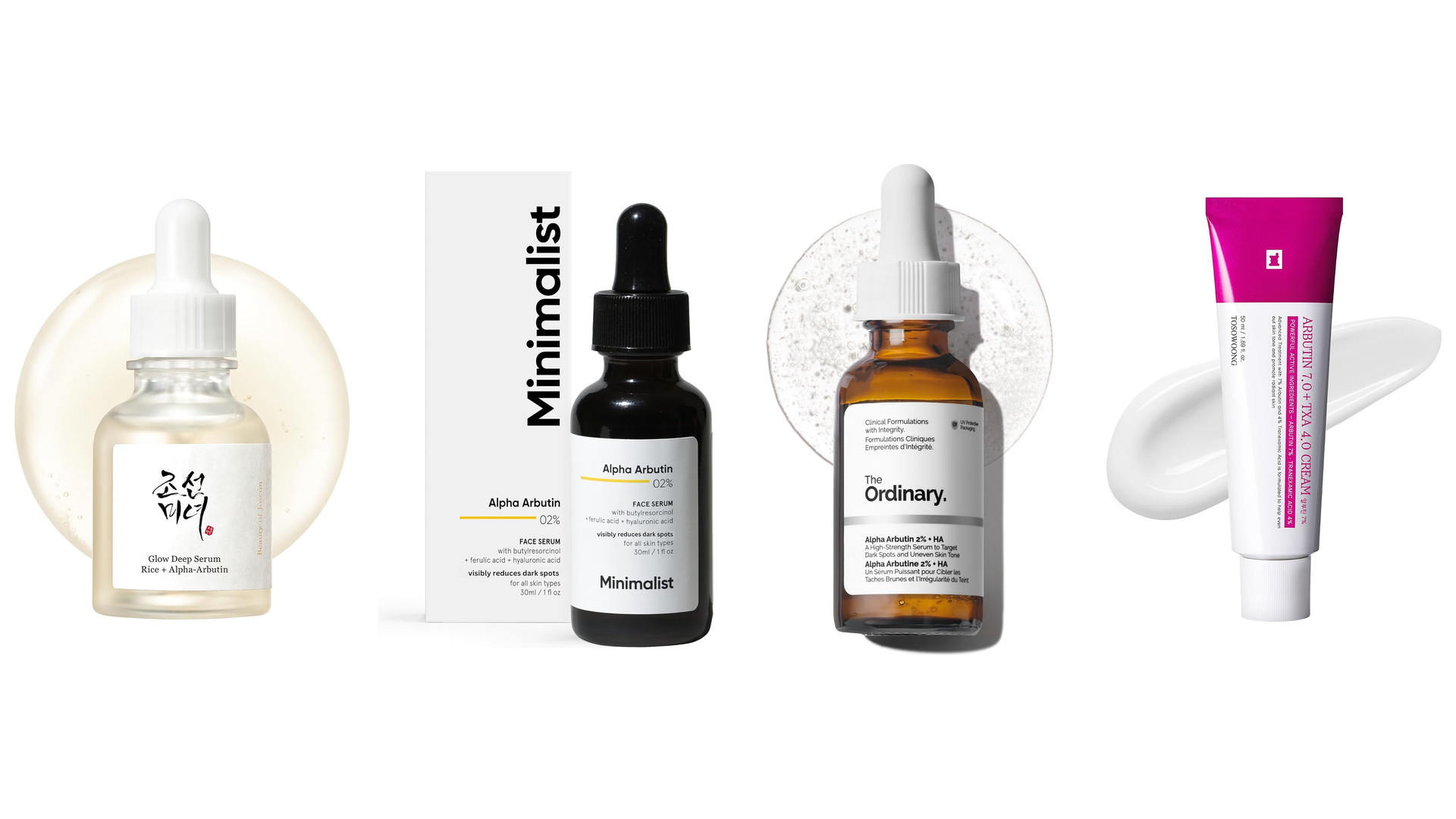
A gentler relative of hydroquinone that releases a small amount of it slowly in the skin. It suits people who want a lightening step running between supervised courses of the prescription version. The effect is milder and slower, and the studies behind it in melasma are small.
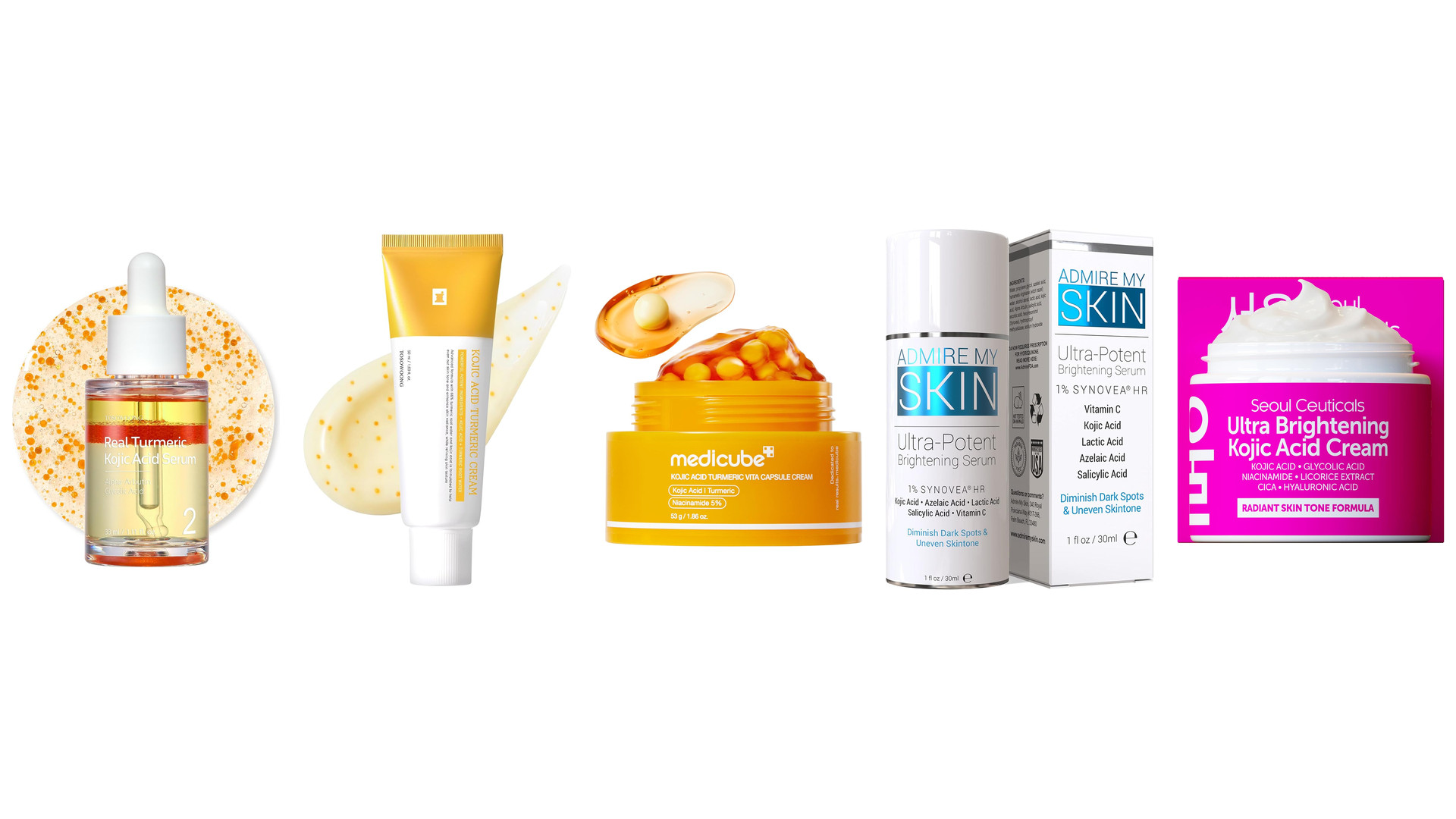
Blocks the same pigment-making enzyme hydroquinone does, more weakly. It is nearly always sold combined with other lightening ingredients, and the studies showing it work are studies of those combinations rather than of kojic acid alone. It stings some people, and stinging on a melasma patch tends to darken it.
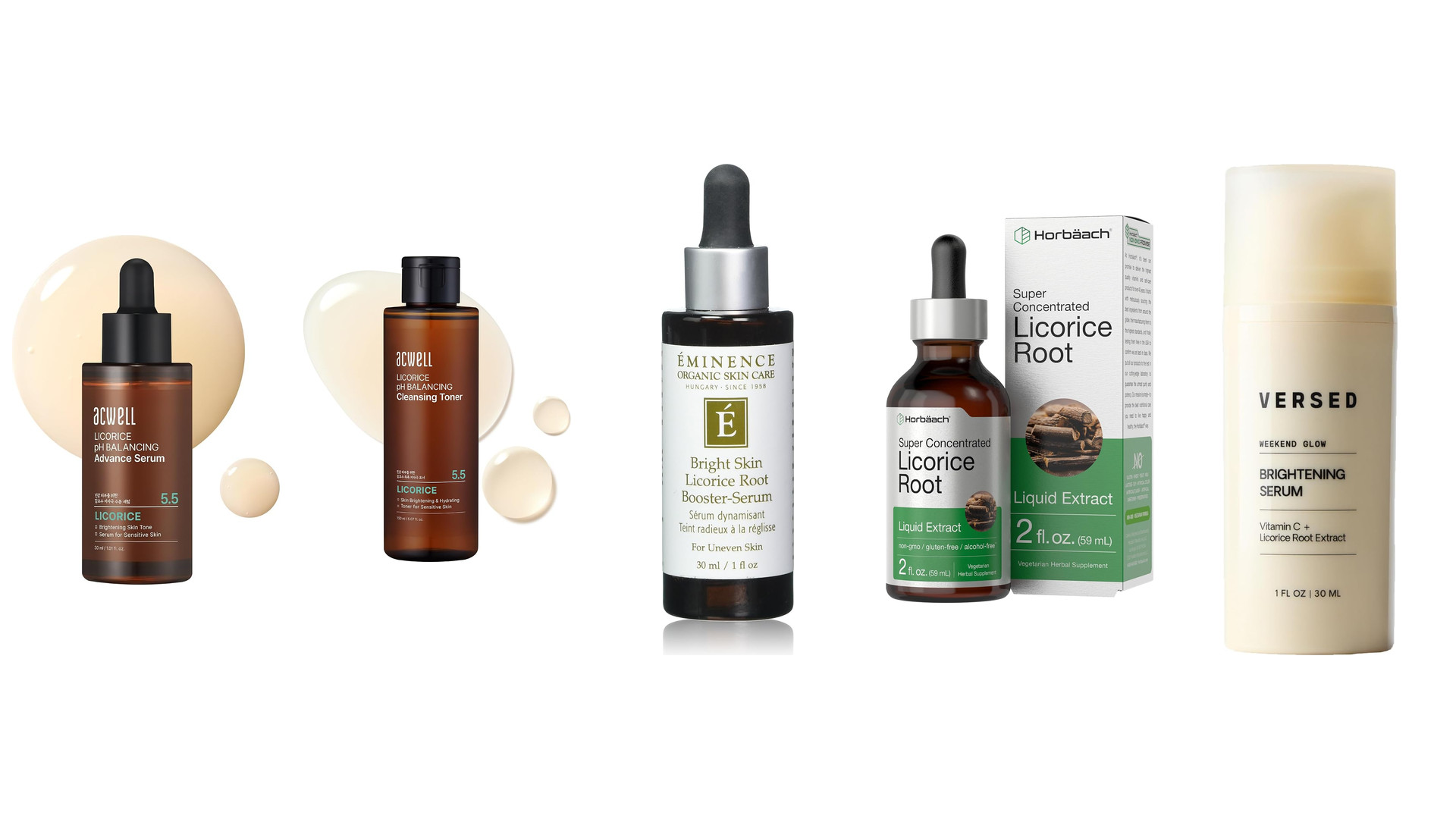
A common ingredient in brightening products, resting mainly on laboratory work rather than trials in people with melasma. It is gentle and unlikely to cause trouble, and it is also unlikely to be the thing that clears a patch. If a routine only has room for one active, this is not the one to pick.

Light peels, spaced out, speed up the clearing of surface pigment when they are added to creams and sun protection. They are an addition and never a replacement. Depth is the whole issue: a peel strong enough to leave the skin red and peeling can inflame it and leave the patch darker than it started, which is one of the commonest ways melasma gets worse.
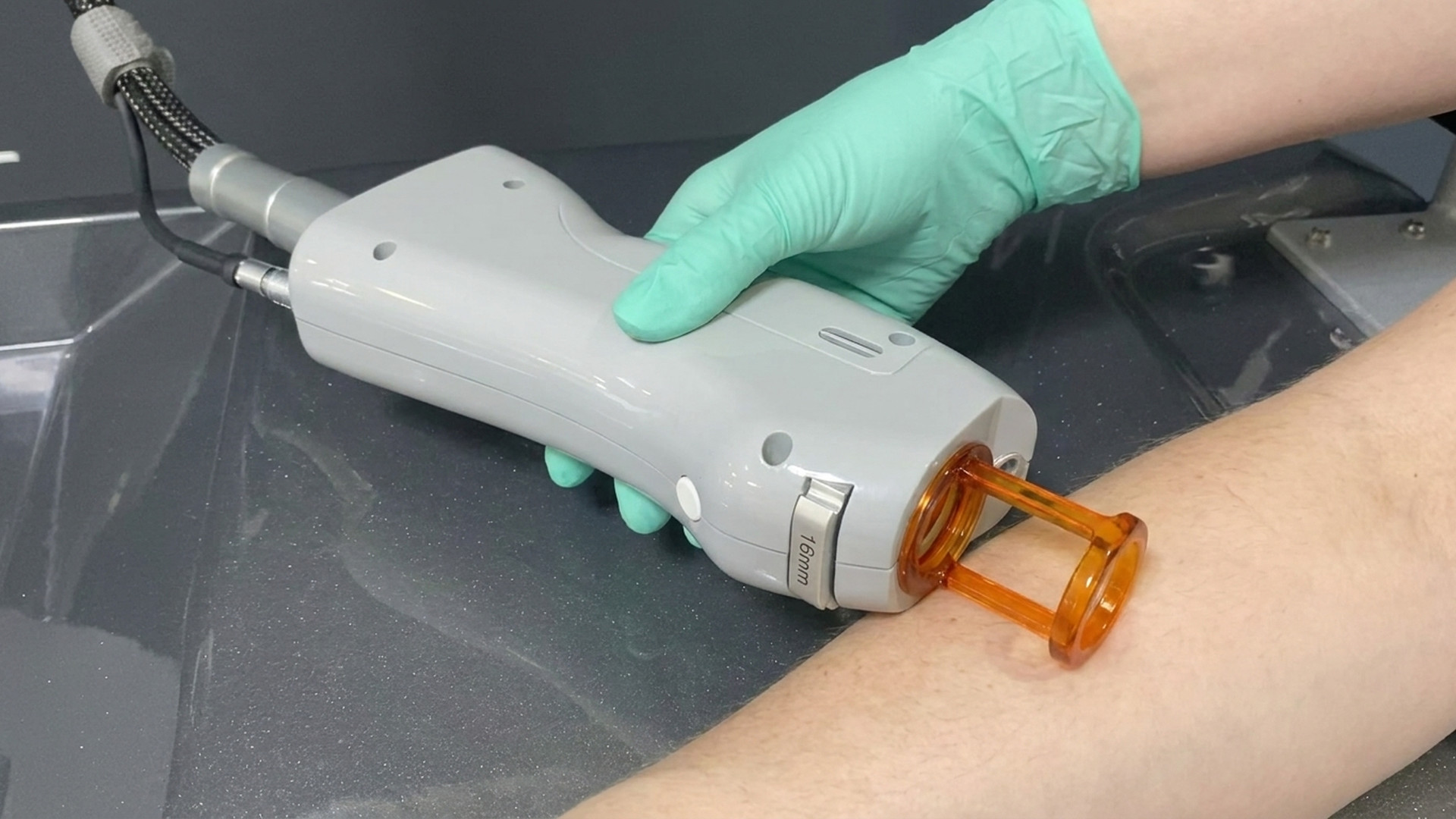
Used at low energy over several sessions to break up pigment that creams reach poorly. It can lighten stubborn patches, and the improvement often fades over the following months if creams and daily sun protection are not carrying on behind it. Pushed too hard it causes patchy loss of color or rebound darkening, so settings stay low and a test patch first is sensible.

A newer laser that delivers very short pulses at low energy, aimed at the deeper pigment creams struggle with. The melasma studies so far are small and cautiously encouraging. Like every device used here it is an addition to creams and sun protection rather than a shortcut past them, and results still fade without them.

Fine needles make temporary channels that help tranexamic acid or other treatments reach deeper, and that combination is where the evidence sits — not needling on its own. It has to be done gently. Aggressive needling inflames the skin, and inflamed skin with active pigment cells makes more pigment, not less.
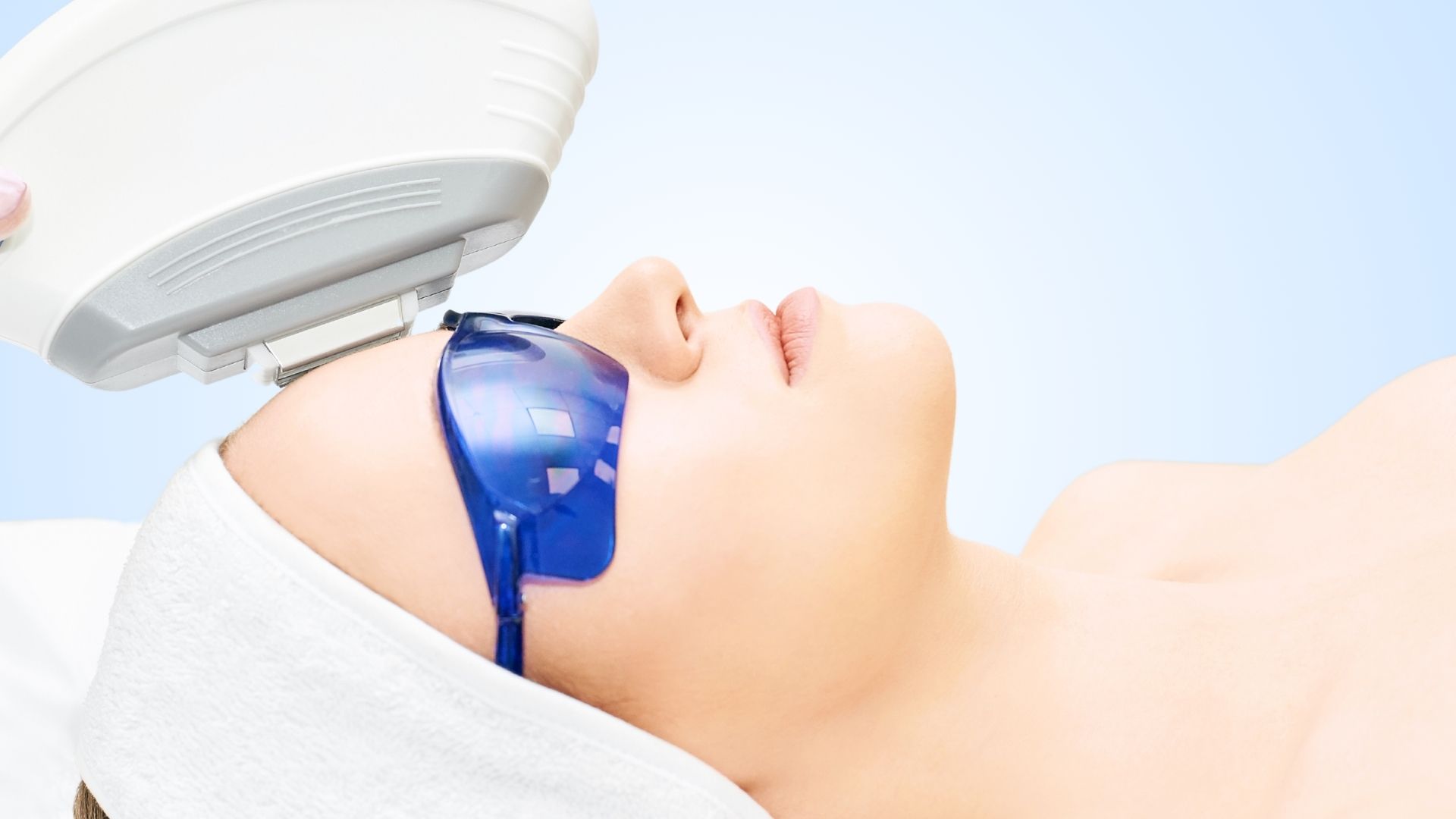
Often offered for facial pigment, and often the wrong choice for melasma. It can lighten patches briefly and then bring them back darker within weeks, because the heat it delivers is itself a trigger for pigment cells. It works far better on sun spots, which is part of why telling the two apart matters before booking anything.
An ablative resurfacing laser with a real risk of making melasma worse, particularly on medium and deep skin tones. Any benefit tends to be short-lived and the rebound darkening can last a long time. If a clinic is offering aggressive resurfacing as the answer to melasma, that is a reason to get a second opinion.
A low-dose tablet, usually taken for a few months, for melasma that has not answered creams and daily sun protection. It works on the blood vessel and signalling side of the condition rather than by bleaching, and the trials behind it are reasonable. It is not for everyone: a history of blood clots or certain other risks rules it out, so it comes after a proper history. Melasma usually returns once it is stopped, so sun protection carries on.
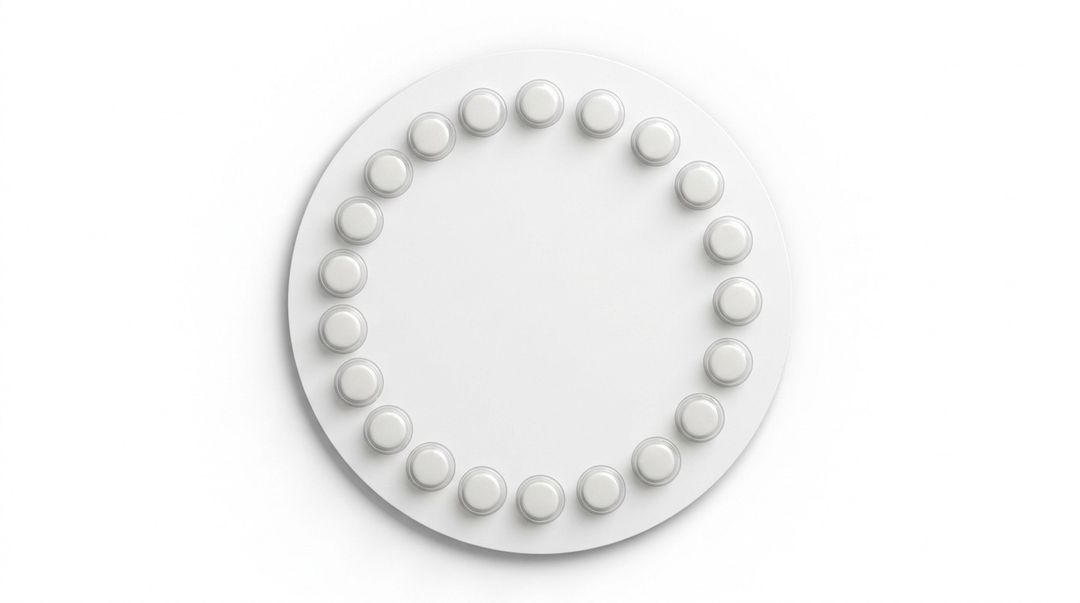
The combined pill, the patch, the implant and menopausal hormone therapy can all set melasma off or keep it dark. Stopping sometimes helps and sometimes does not, and it can take many months to show. Never stop a prescribed hormone on your own. Ask the prescriber whether a different method makes sense, and weigh that against what the contraception is doing for you.
Hydroquinone, a retinoid and a mild steroid in one cream, used at night on the patches. It is the most effective topical treatment for melasma and the one with the best trial evidence, given as a course of a few months rather than indefinitely. It is also the one that most needs a doctor watching it, because the steroid thins skin with long use and the hydroquinone is meant to be stopped and restarted.
The most established single prescription cream for melasma, applied thinly at night to the patches only. It is used in courses of about three to four months with breaks in between, not continuously for years — unbroken long-term use at high strength is what causes the blue-black discoloration people have heard about. Expect the first month to look like nothing is happening.
Speeds up how quickly pigmented skin cells are shed, and helps the other creams get in, which is why it is more often part of a combination than used alone. Used by itself it works slowly and it can irritate, and irritation darkens melasma, so it is started at a low strength a few nights a week. Ask your doctor about it if you are pregnant or trying to become pregnant.
Steroid creams do fade pigment for a while, which is why they turn up in unregulated lightening products, but they are not a melasma treatment. Used on the face for months they thin the skin, bring up broken vessels and can cause a rash around the mouth, and the pigment comes back when they stop. In melasma a steroid belongs only inside a supervised combination cream.
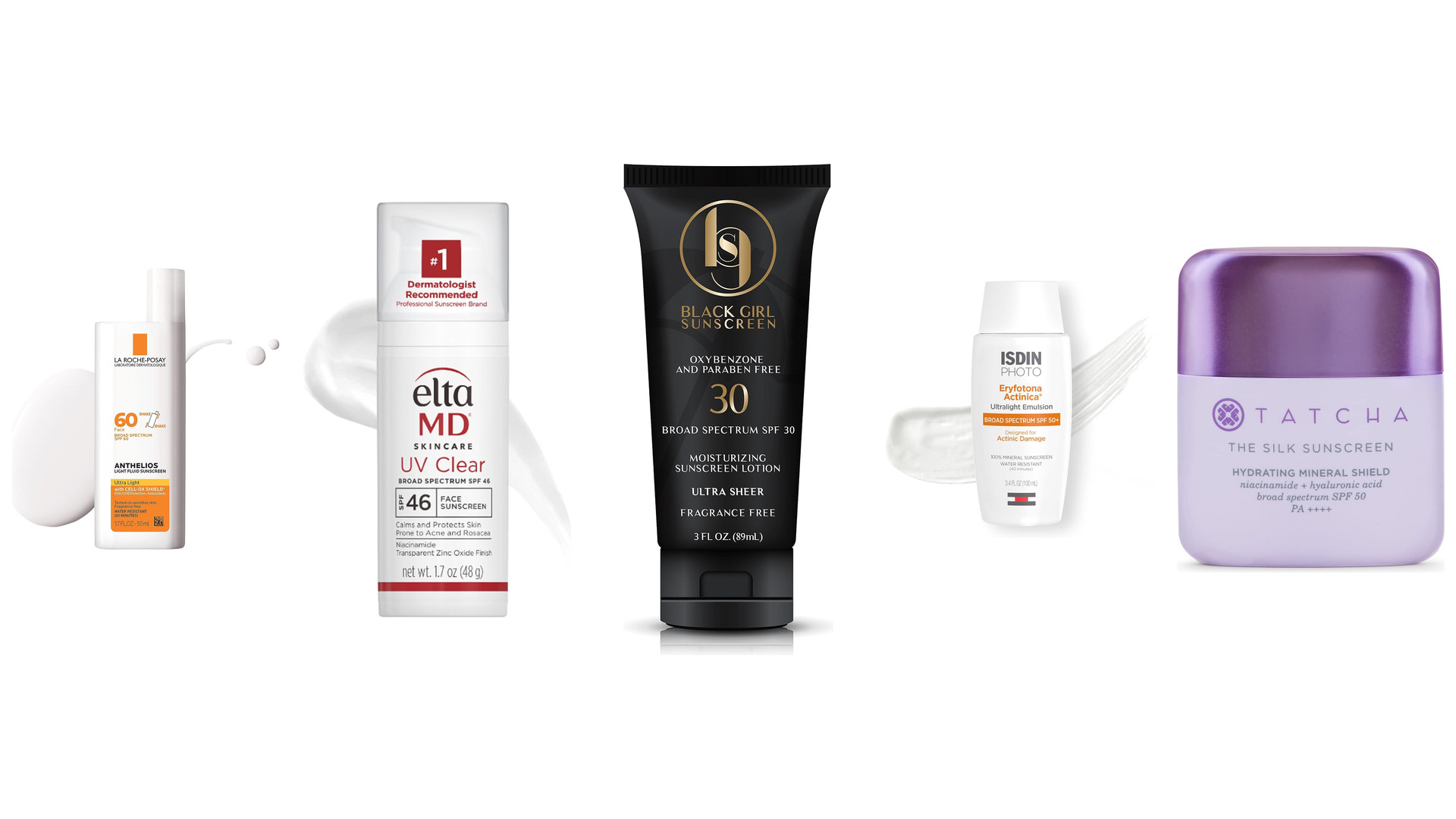
The only thing on this page that changes the direction of travel. SPF 30 or higher, broad spectrum, on the face, ears, neck, chest and the backs of the hands every day, including cloudy days and days spent driving. It will not remove the spots you have, but it stops them darkening, slows new ones considerably, and protects the result of any treatment you pay for.
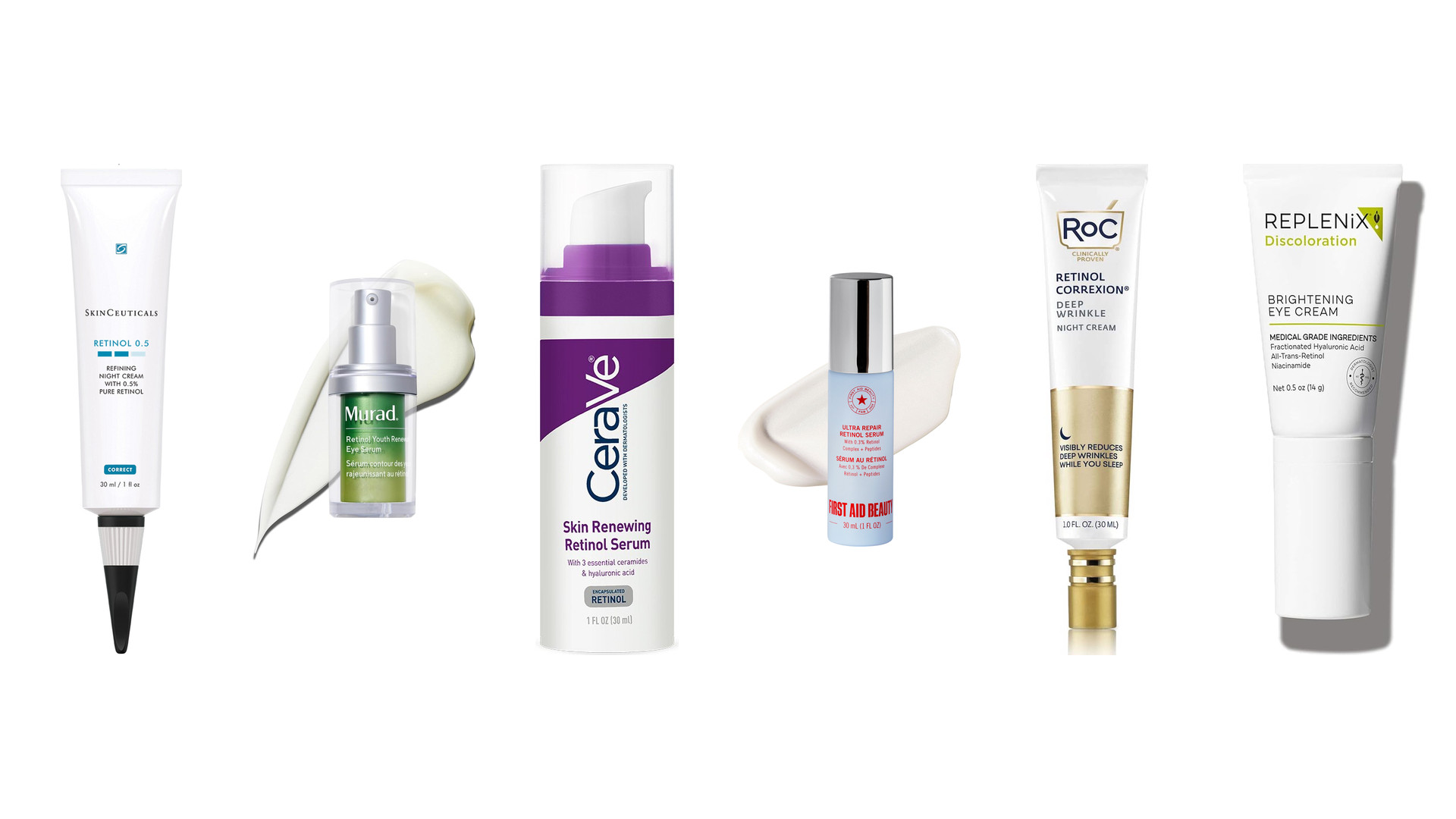
Speeds up how quickly pigmented surface cells are shed, so spots lighten gradually from the top down. It is the over-the-counter option with the best evidence in sun spots, and it improves the surrounding sun-damaged skin at the same time. Start two or three nights a week to avoid irritation, and expect three to six months before the difference is obvious.
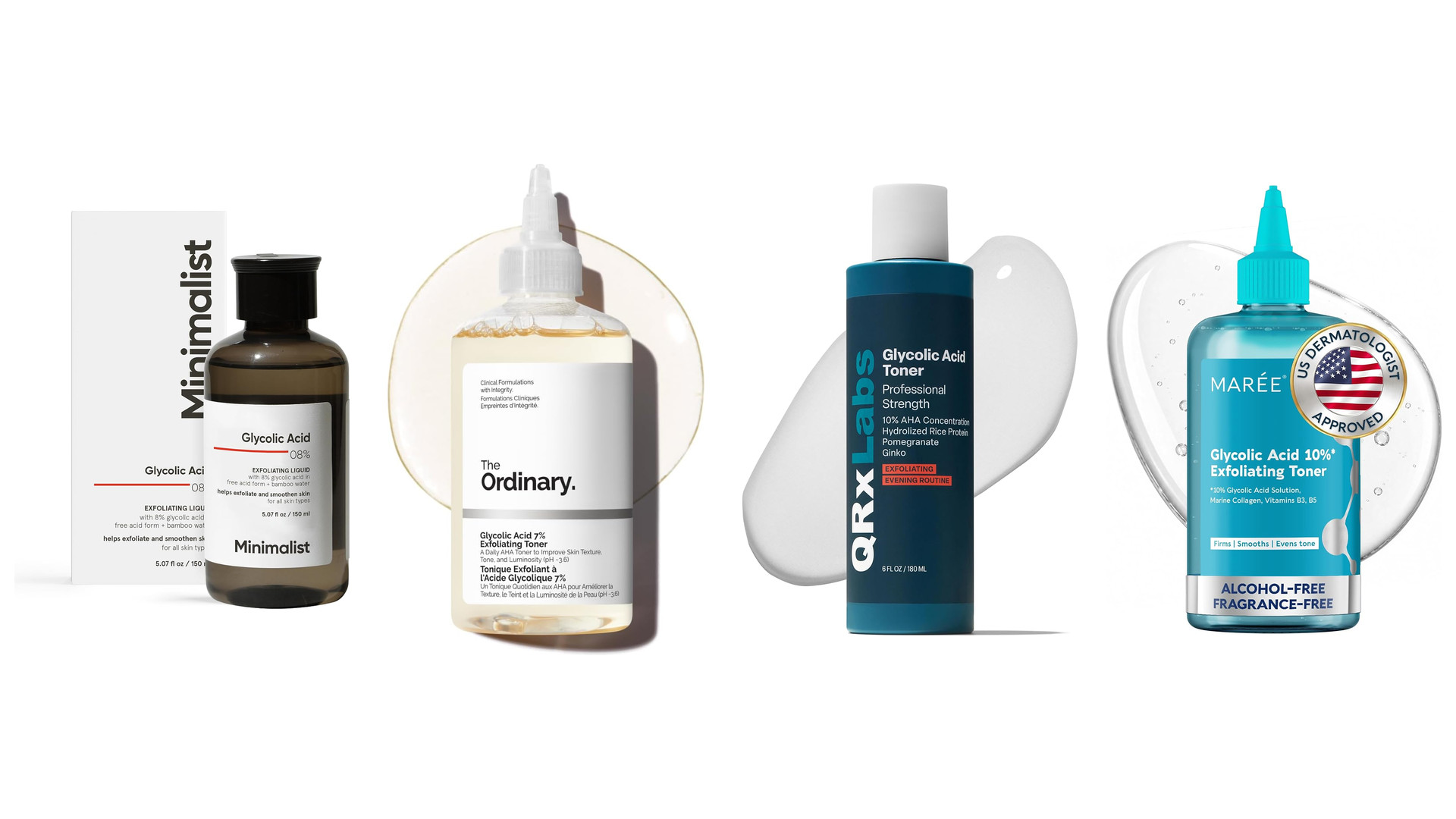
Loosens the pigmented cells at the surface so they shed sooner, which lifts a little color out of a spot over months. It works better as the thing that helps a lightening cream get in than as a treatment on its own. Used too often it leaves skin irritated and more sun-sensitive, which on this page is exactly the wrong direction.
Applied to dry skin, left for about fifteen minutes and washed off rather than left on overnight. It suits people who want a lightening step without hydroquinone, or something to hold a result between courses of it. Most of the trial evidence is in melasma rather than sun spots, and the smell is the usual reason people stop.
A gentler relative of hydroquinone that releases a small amount of it slowly in the skin. It is a reasonable long-term option on a spot you are lightening slowly, and it does not sting, which matters because irritation on a sun spot can leave a darker mark. The effect is mild and takes months.
Lightens surface pigment modestly and adds a little to what sunscreen is doing during the day. It is easy to keep using for years, which is its real advantage here, since sun spots are a long game. On its own it will not clear an established spot.
Slows the handover of pigment from pigment cells to the skin cells above them, so a spot fades a little rather than disappears. Its strength is that it is well tolerated and does not sting, so it sits comfortably alongside a retinol without making the skin sore. Modest on its own.
Blocks the same pigment-making enzyme hydroquinone does, more weakly. It is nearly always sold combined with other lightening ingredients, and the studies behind it are studies of those combinations. It stings some people, and irritation on a sun spot is not a neutral event, particularly on medium and deeper skin tones.

These are made for warts and are not accurate or gentle enough for a flat pigmented spot. On the face they can leave a permanent pale mark that is more noticeable than the spot was. The bigger problem is that they remove a spot nobody has examined, and that is the one thing this page asks you not to do.
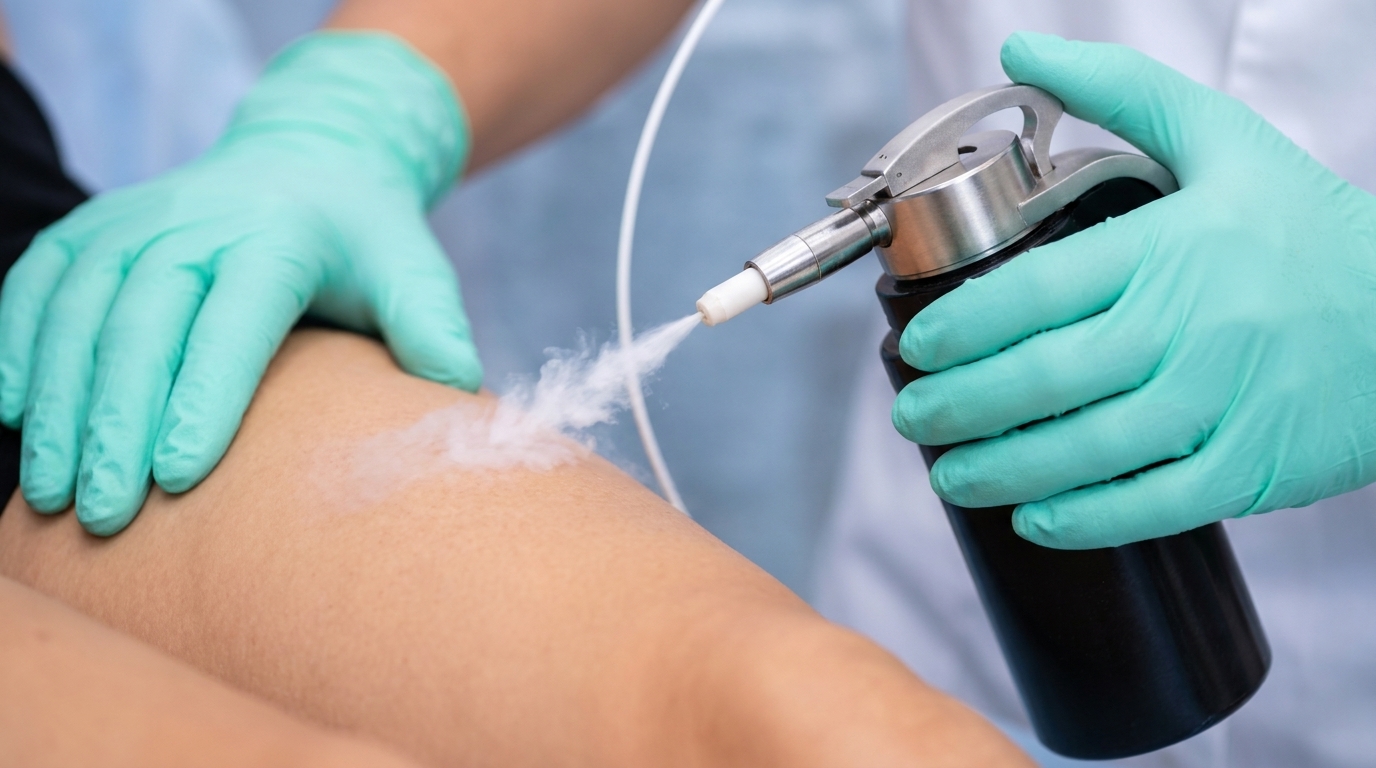
A few seconds of liquid nitrogen on each spot, done in the room, no anesthetic needed. The spot darkens, crusts and lifts off over one to two weeks. It suits a small number of spots rather than a whole hand, and its known cost is a permanent pale mark where too many pigment cells were destroyed, which is a bigger risk on medium and deeper skin tones.
The best option when there are many spots across a whole area such as the face, chest or the backs of the hands. Usually one to three sessions, with the spots darkening and flaking off over one to two weeks after each. It is aimed at contrast between spot and skin, so it works best on lighter tones and is used cautiously or not at all on deep skin.

The same pigment-shattering laser used for tattoo ink is used at low energy on individual sun spots, and it clears them reliably in one or two sessions. It is more precise than intense pulsed light and better for a few stubborn spots rather than a whole area. Settings have to be matched to the skin tone, since too much energy leaves a pale or a dark mark behind.
Delivers its energy in much shorter pulses, which breaks up pigment with less heat spilling into the skin around it. That lower heat is the reason it is often chosen for medium and deeper skin tones, where a darker mark afterwards is the main worry. It costs more than the older lasers and the results in sun spots are broadly similar.
Lightens spots across a whole area rather than one at a time, which suits the backs of the hands, the forearms and the chest where spots are scattered widely. Usually a course rather than a single treatment, and the result is a general evening out rather than each spot disappearing. Depth matters: a peel strong enough to leave the skin raw can leave a darker mark instead.

Treats the sun-damaged skin as a whole rather than targeting individual spots, so it improves texture and fine lines alongside the pigment. That makes it a reasonable choice when the spots are only part of what is bothering you. For clearing spots alone it is slower, dearer and less precise than freezing or a pigment laser.

Polishes off the very top layer of skin, which makes it briefly smoother and brighter. The pigment in a sun spot is held in ridges below that layer, so it is not reached. It is often sold as a treatment for spots and it is not one, and repeated sessions can irritate skin enough to leave marks of their own.
The strongest cream for lightening a sun spot, applied thinly to the spot itself rather than the skin around it. It is used in a defined course of about three to four months with a break afterwards, not indefinitely, and it works best combined with a retinoid. It is slower than a single session of freezing or laser, and it is the option to prefer when treatment risk on deeper skin tones is the concern.
The prescription retinoid, and the one with real trial evidence in sun spots specifically. It lightens spots over about six to ten months and improves the sun-damaged skin around them at the same time. Expect dryness and flaking early on, and use it at night with daily sunscreen, since it leaves skin more sun-sensitive. Ask your doctor about it if you are pregnant or trying to become pregnant.

A stronger retinoid with good trial results in sun spots, used when tretinoin has not done enough. It works the same way, a little faster, and irritates more, so it is often started a few nights a week. Ask your doctor about it if you are pregnant or trying to become pregnant.

Melasma is the condition where pushing hard backfires most often. A strong peel, a high-energy laser or an irritating cream can inflame the skin and leave it more pigmented than it began, and that extra pigment can take many months to settle. It is the reason melasma is treated gently and slowly, and the reason a test patch is worth doing before any device is used across the whole face.

Melasma does not hurt and is not dangerous, which is exactly why its effect gets underestimated. People describe avoiding photographs, spending time and money on makeup that only half covers it, and feeling worse every summer as it darkens. It is a reasonable thing to ask for treatment for, and saying it out loud in the appointment usually changes what gets offered.
Both are flat brown marks on the face and both show up more on deeper skin tones. The difference is the shape. Marks left by inflammation copy whatever came first, so they sit as separate spots where acne spots were, or in the outline of a rash, and they are rarely symmetric. Melasma is a spreading patch with soft edges that mirrors itself on both sides of the face. Plenty of people have both at the same time, and they are treated differently.
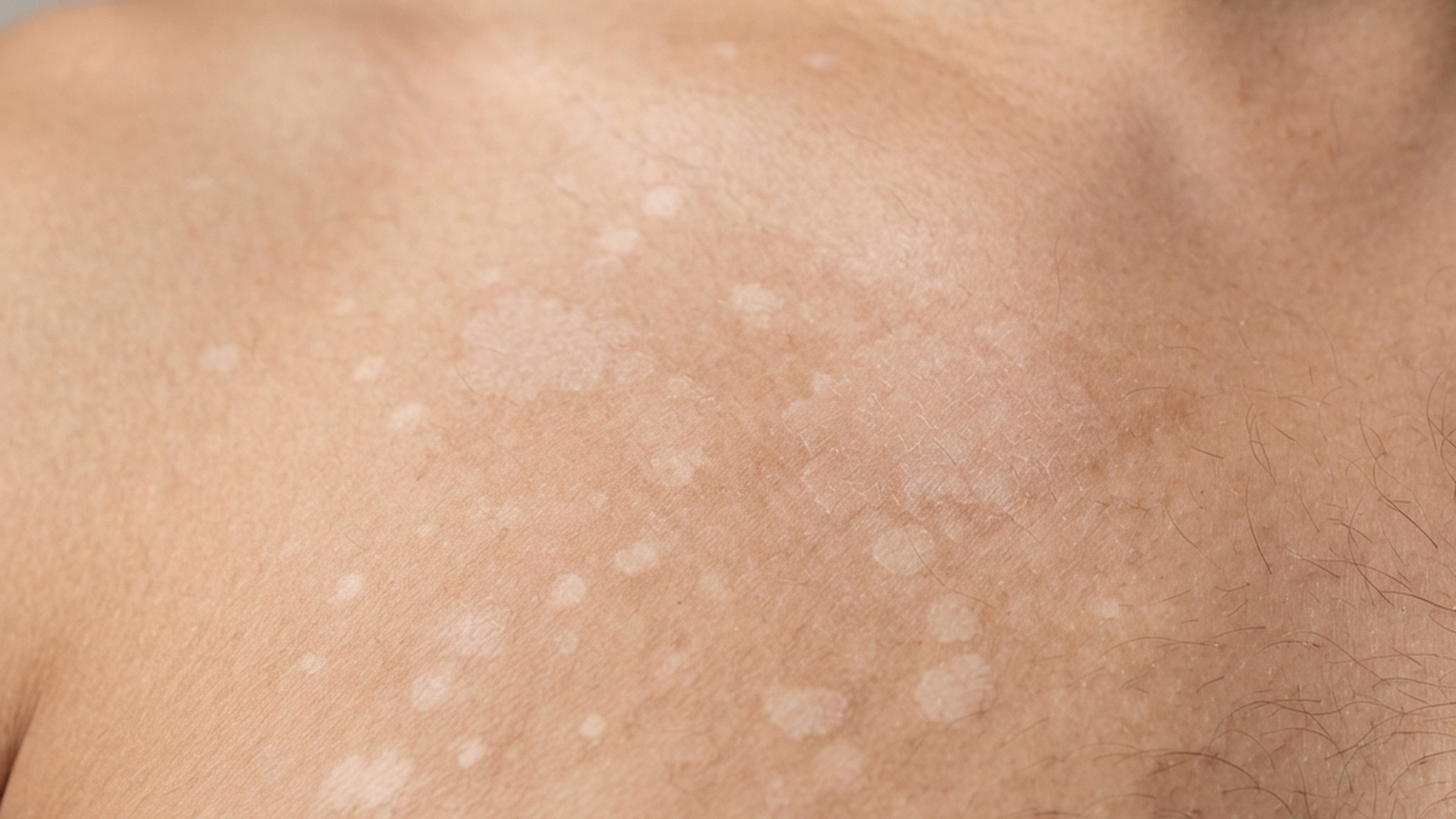
A common yeast overgrowth that leaves flat patches which can be light brown, pink or paler than the skin around them, so it gets read as uneven pigment. It usually sits on the chest, back, shoulders and neck rather than the cheeks, it is not symmetric, and the patches show a fine dusty scale when they are scraped. It clears with an antifungal, which does nothing at all for melasma.
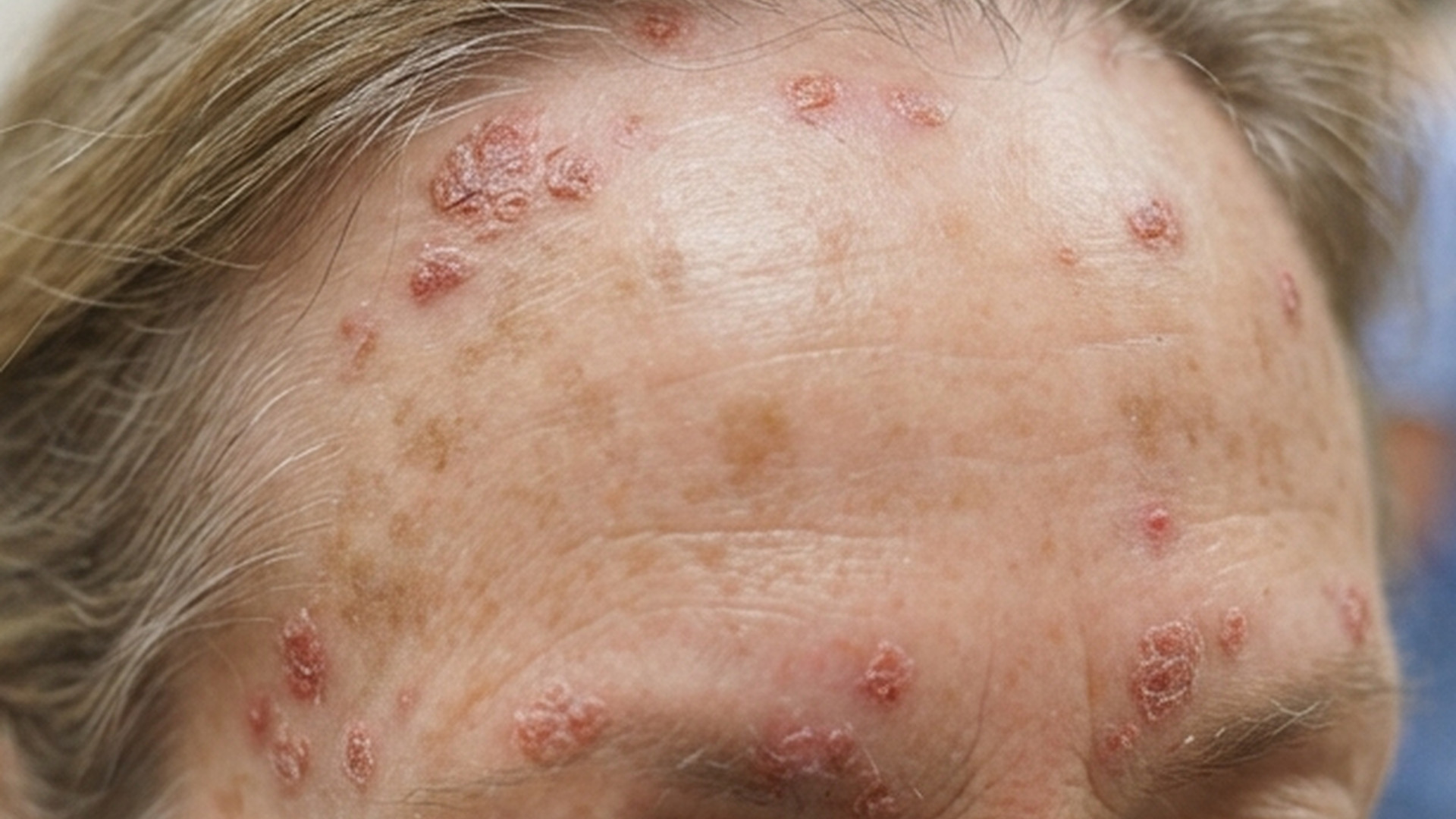
Both turn up on the same sun-damaged skin and often side by side on the same hand or forehead. An actinic keratosis feels rough and scaly, like fine sandpaper, and is often easier to feel with a fingertip than to see. A sun spot is smooth. This one matters because it is a precancerous patch and is treated, while a sun spot is only a cosmetic decision.
Common questions
Look at the edge. Melasma fades gradually into normal skin with no border, and the two sides of the face broadly match. A sun spot has a clean edge you could trace, and the spots are scattered rather than mirrored.
Yes, and it is common after the age of thirty. Sharp spots often sit on the temples and cheekbones while a soft melasma patch covers the upper cheeks. They are treated separately.
Not reliably. Lasers and intense pulsed light clear sun spots quickly, but heat and light can make melasma darker instead. That is why identifying the patch comes before booking any light-based treatment.
No. Sun spots stay the same through the winter and do not clear without treatment. A brown mark that fades every winter is a freckle or melasma, not a sun spot.
Yes. Sun spot, age spot, liver spot and solar lentigo are four names for the same mark. The medical term is solar lentigo.
It does not fade them, but it stops both from getting worse. Sunscreen prevents new sun spots and is the single most effective step for melasma, so it goes on before any fading cream is worth starting.