Spider veins
Small vessels that have widened Blood vessels close to the surface stretch open and stay open. They were always there. They are now wide enough to see.
Spider veins are tiny blood vessels you can see through the skin. They are red, blue or purple threads that branch and web out from a central point. Stretch marks are scars left by skin stretching too fast. They are wider bands that run parallel, all pointing the same way, and they fade from purple to silver. Branching means veins and parallel stripes means stretch marks. Press on it: a spider vein goes pale and fills back in, and a stretch mark does not change at all.
| The difference | Spider veins | Stretch Marks |
|---|---|---|
| What it is | Small vessels that have widened | A tear in the middle layer of skin |
| What it looks like | Fine red, blue or purple threads | Wider coloured bands |
| What it does over time | More appear | Fades, but never disappears |
| What treatment does | Closes them for good | Fades them, does not remove them |
| Which one is easier to treat | Spider veins treat well. | Stretch marks treat partially. |
Small vessels that have widened Blood vessels close to the surface stretch open and stay open. They were always there. They are now wide enough to see.

Side by side
Spider veins
Small vessels that have widened
Blood vessels close to the surface stretch open and stay open. They were always there. They are now wide enough to see.
Stretch Marks
A tear in the middle layer of skin
The skin stretched faster than the collagen and elastin underneath could keep up with. Those fibres tore, and the mark is the scar that healed over the tear.

Beneath the surface sits the dermis, the supportive layer. It is a woven mesh of collagen for strength, threaded with elastic fibers that let skin stretch and spring back. The body keeps making and replacing both, so the mesh stays strong enough to move with you.

Rising cortisol — in pregnancy, in puberty, with steroid tablets or strong steroid creams, or in conditions that raise it — reduces how much collagen and elastin the skin makes and loosens what is already there. This is the part most explanations leave out, and it is why stretch marks are not simply a matter of being stretched.

Skin copes with a great deal of stretching when it is given time. It is the speed that does the damage. When the weakened elastic fibers in the supportive layer are pulled faster than they can adapt, they tear apart and retract, leaving a gap. Nothing shows on the surface yet.

Immune cells arrive at the tear and the blood vessels beneath widen, which is what turns the mark pink, red, purple or darker. It may itch. This is the striae rubrae stage, the skin is still actively remodeling, and it is the window where treatment has the most to work with.

The gap is repaired the way any wound is repaired: collagen laid down in flat parallel bundles instead of the woven mesh it replaced, the elastic fibers never properly restored, and the surface above thinned. Once this settles the change is permanent. The fading that follows is the redness draining away, not the scar resolving, and everything on the lists below is pushing on this step.
Spider veins
Fine red, blue or purple threads
Hair-thin lines, less than a millimetre wide, that branch out from a point like a spilled web or a bare tree.
Stretch Marks
Wider coloured bands
Two to ten millimetres across, with two clean edges, running side by side. New marks are pink, red or purple. Old ones are pale silver.
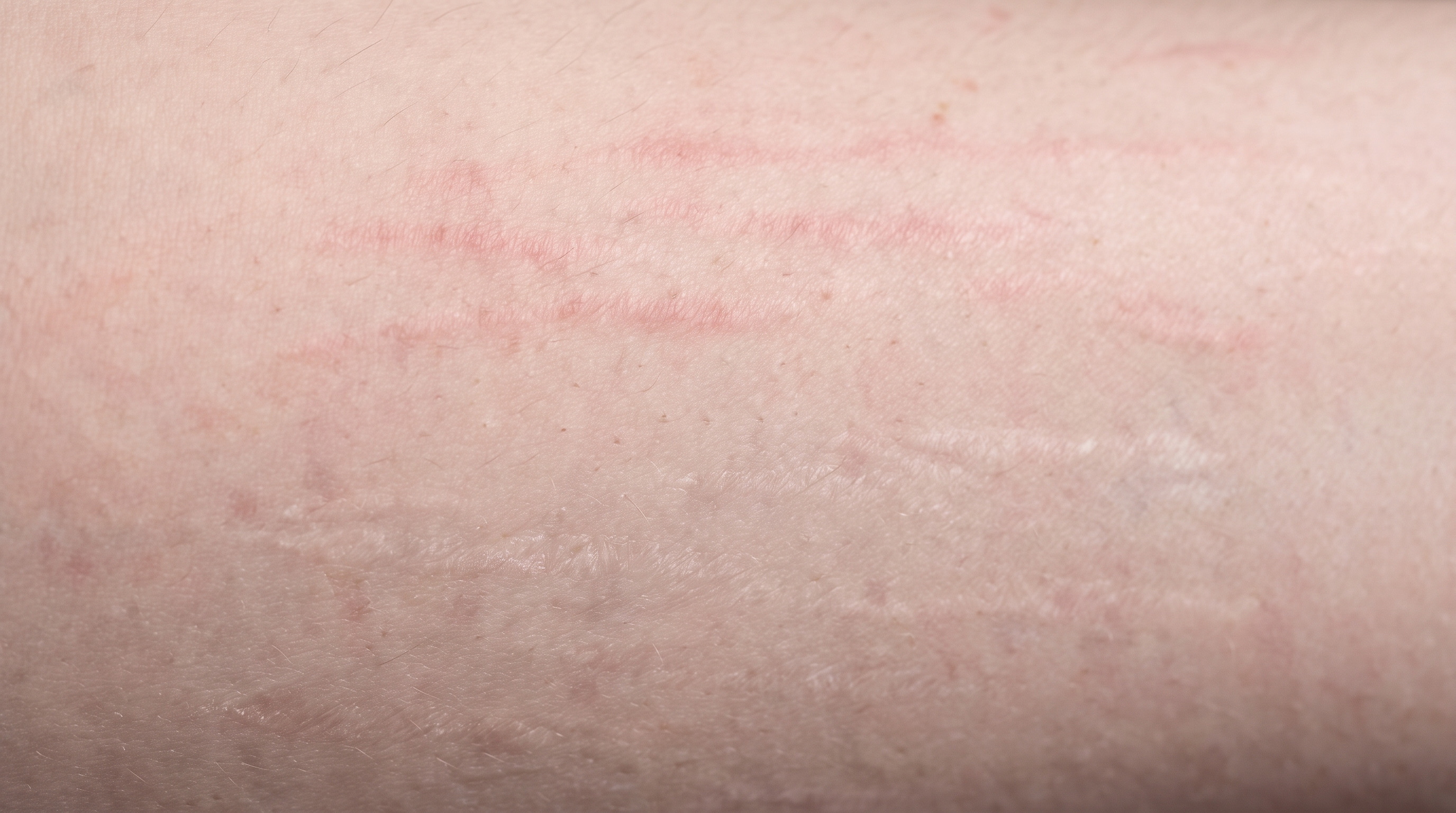
On light skin the new marks are the pink or red version that almost every photograph in circulation shows, and the mature ones settle to silvery-white. The contrast with the surrounding skin is small once they have faded, which is why people with light skin are often told stretch marks fade to nothing. That is a description of this tone, not of all of them.
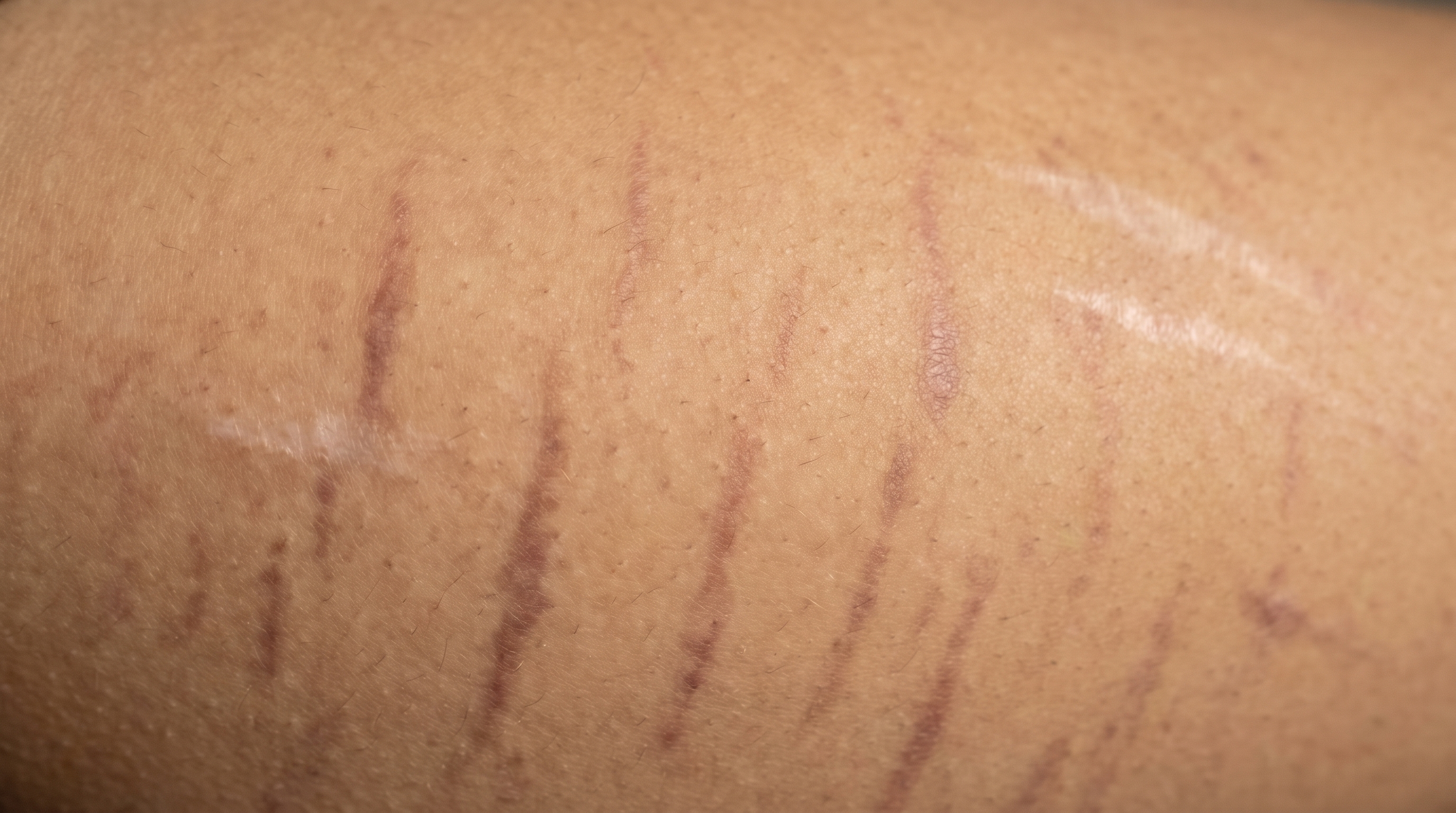
On medium and olive skin new marks read as reddish-brown or dull purple rather than bright pink, so they are less obviously the picture people are shown. Mature ones become pale and stand out more here than on light skin. The stage still matters more than the color, and new marks are still the ones worth acting on.

On brown skin new marks are usually deep violet, reddish-brown or simply darker than the skin around them. Because every description in circulation says pink, this stage is regularly missed — and it is the stage where treatment does the most. Once they mature they turn pale, which on brown skin means more contrast rather than less, so they stay visible for years.
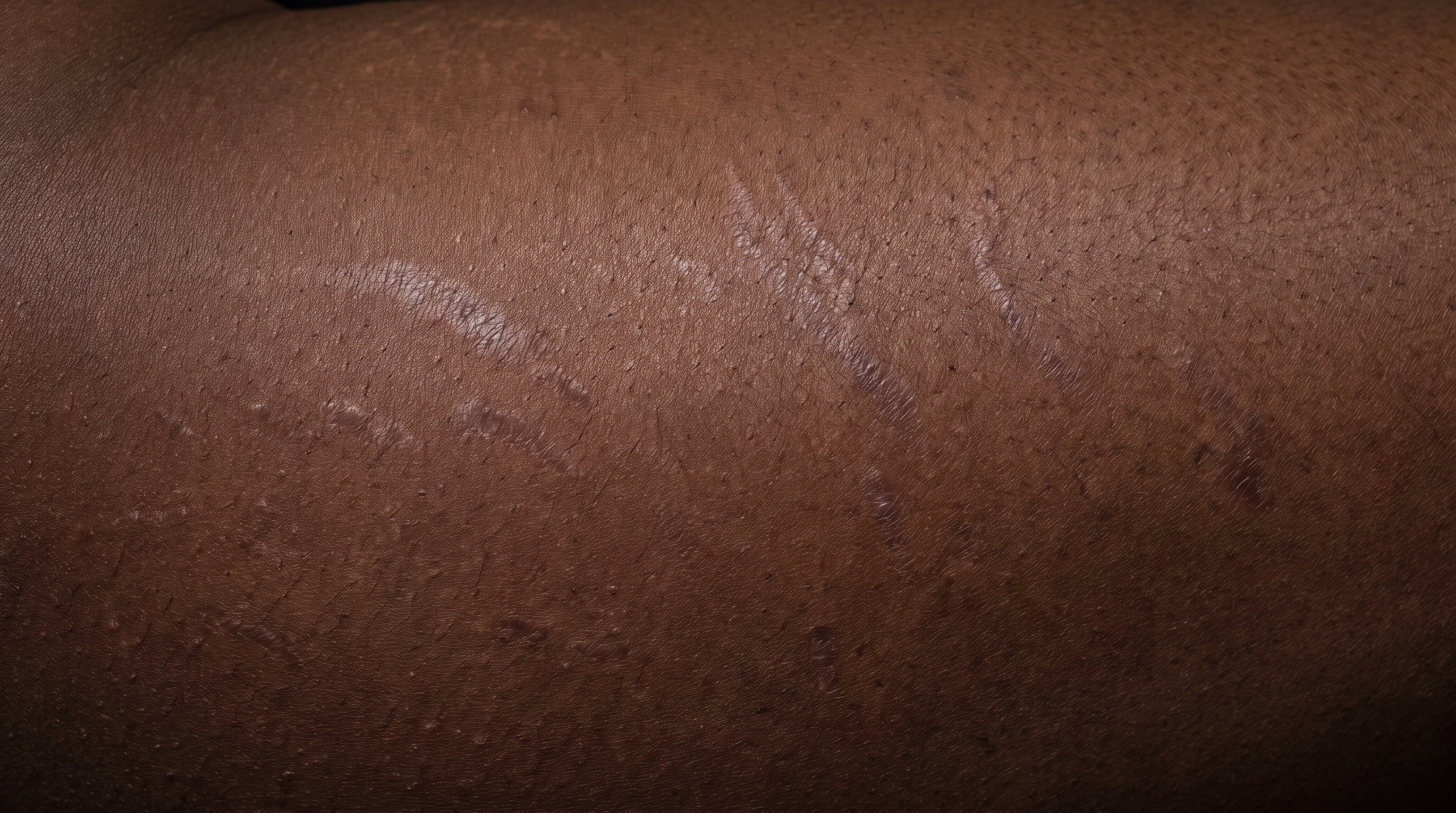
On deep skin tones the early marks can be dark brown, violet or near-black and are easily read as just a change in shade rather than as new stretch marks. The mature ones contain very little pigment, so against deep skin they stay clearly visible long after the same marks would have disappeared on light skin. People are often told stretch marks fade to nothing, and on this tone that is not what happens.
Spider veins
Branching and irregular
Lines meet, split and cross each other. They spread outward in all directions from a centre.
Stretch Marks
Parallel and orderly
Every mark points the same way, at right angles to the direction the skin was pulled. They do not cross.
Spider veins
It goes pale, then refills
Push firmly with a fingertip and the colour empties out. Let go and it fills back in within a second or two, from the centre outward.
Stretch Marks
Nothing changes
The colour does not shift under pressure. There is nothing inside a stretch mark to move.
Spider veins
Thighs, calves, ankles and cheeks
Legs first, especially the outer thigh and behind the knee. On the face they cluster on the nose and cheeks.
Stretch Marks
Wherever the body grew fast
Thighs, hips, backs of the knees, stomach, breasts, upper arms and lower back. Growth spurts, weight changes and rapid muscle gain from lifting.
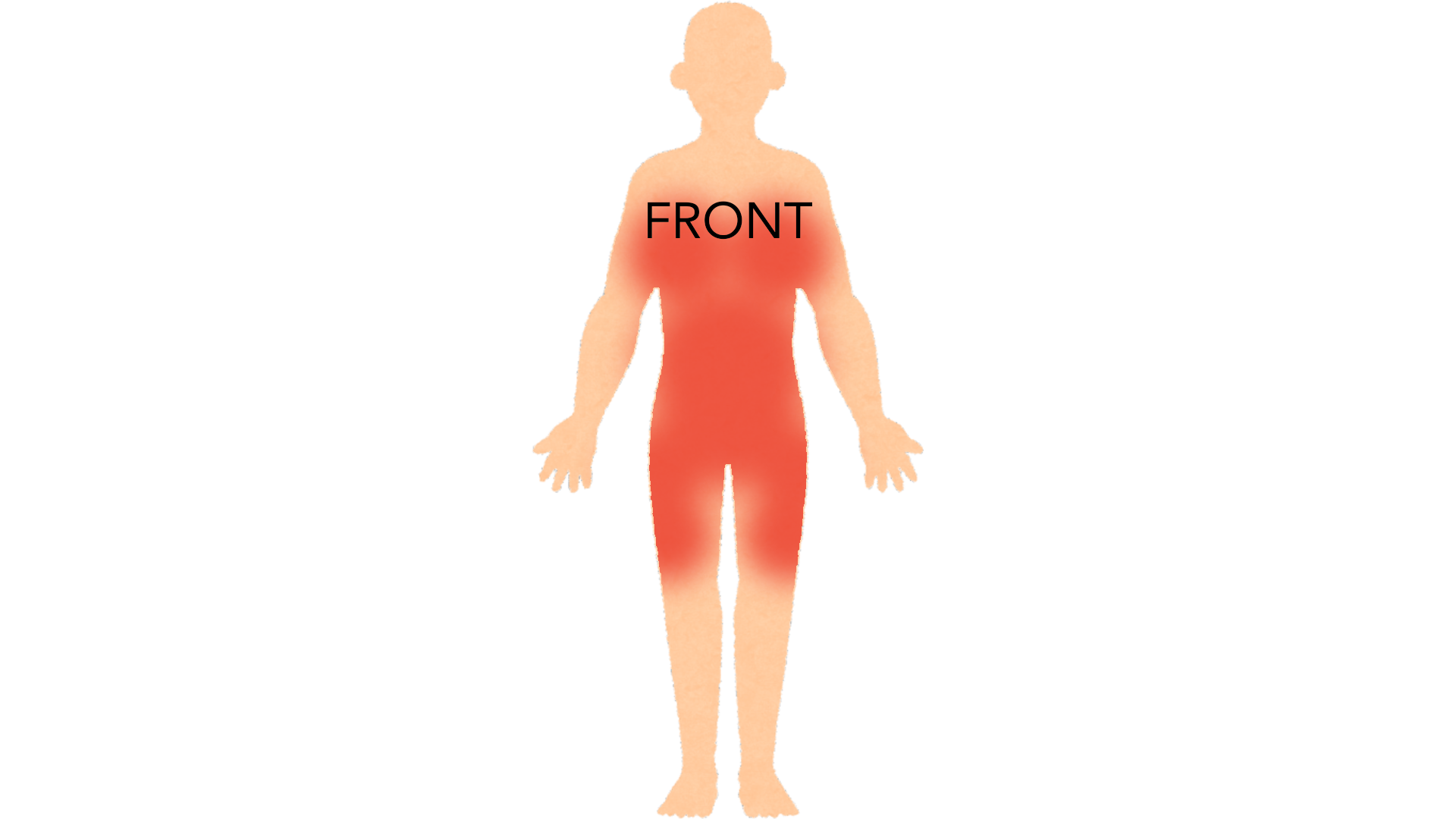
They run at right angles to the direction the skin was stretched, which is why they lie horizontally around the abdomen in pregnancy and vertically on the thighs and breasts. The abdomen, breasts, hips and outer thighs are the usual places.
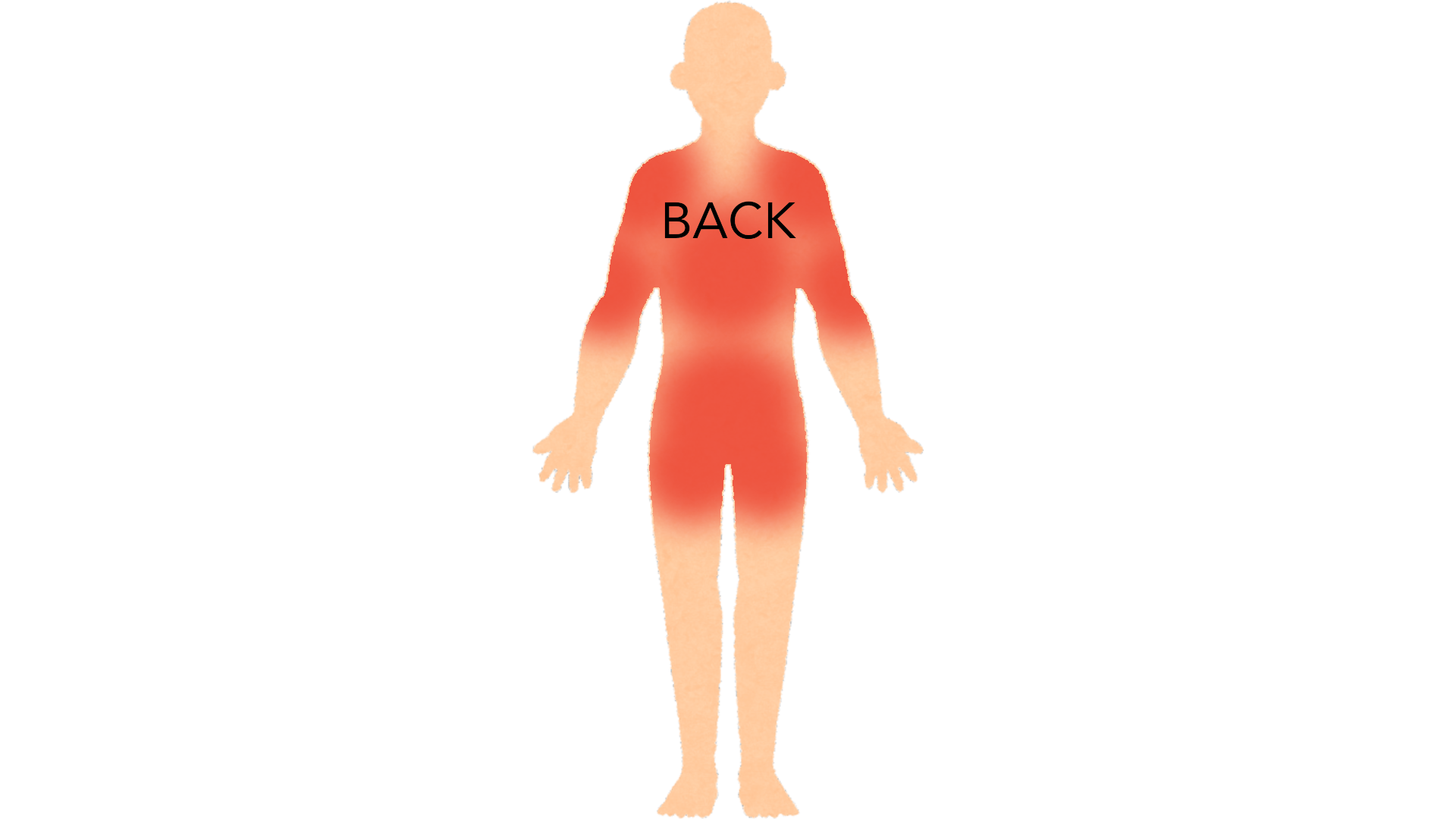
The buttocks and the lower back are common in growth spurts and in pregnancy. Rapid muscle gain puts them somewhere different — across the shoulders, the upper back, the chest and the upper arms.
Spider veins
More appear
Existing spider veins do not fade. New ones tend to arrive over the years, especially in people who stand for work.
Stretch Marks
Fades, but never disappears
The colour fades a lot over one to two years. The texture change stays. A silver stretch mark is a settled scar that has become hard to see.
Spider veins
Closes them for good
Sclerotherapy injects a solution that seals the vessel shut, and vascular lasers do the same with heat. Both work well on the legs. Treated veins do not come back, but new ones can form.
Stretch Marks
Fades them, does not remove them
Prescription retinoids, vascular lasers and microneedling all help while a mark is still red. Silver marks improve very little.
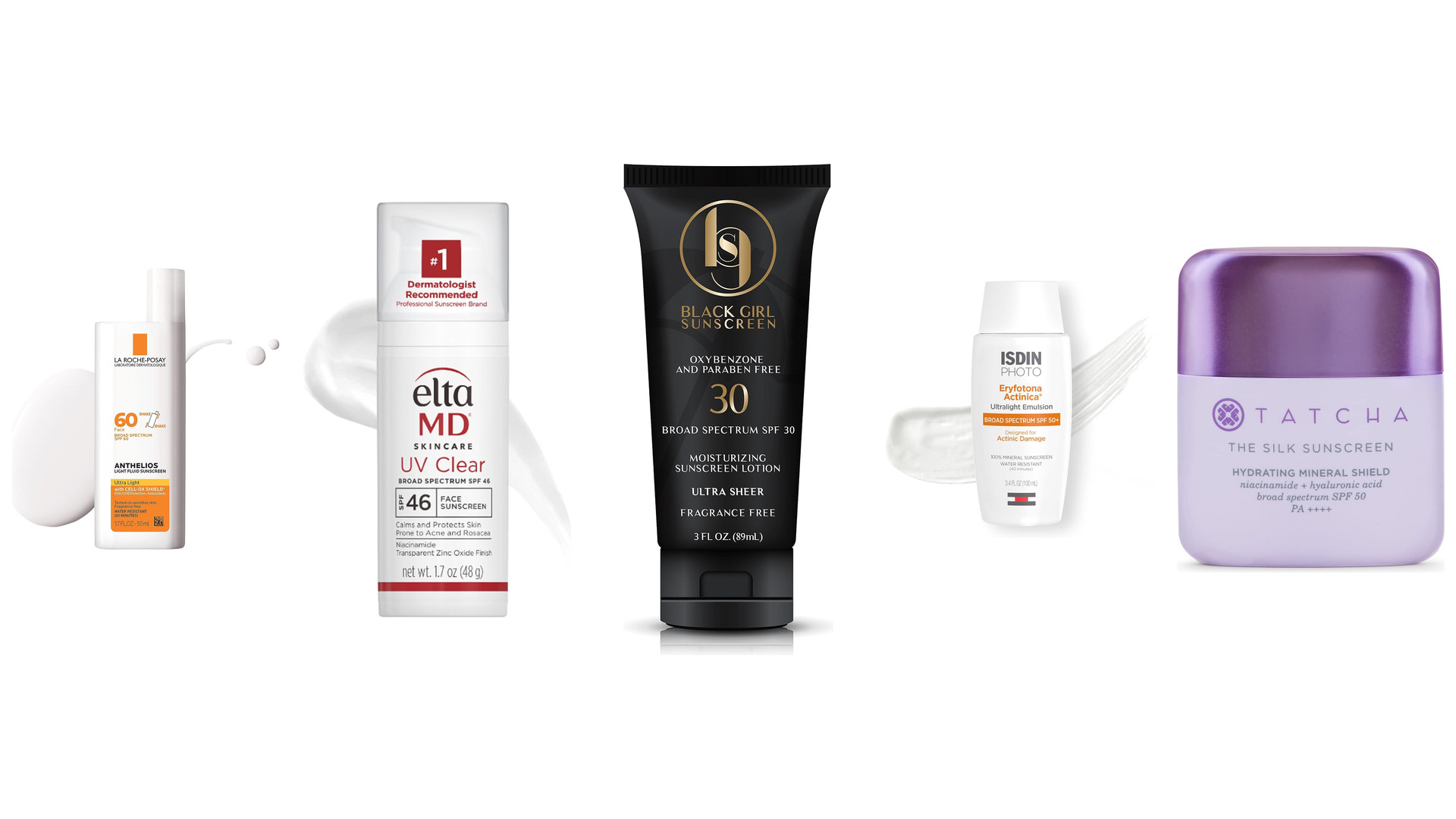
Two separate jobs here. On new marks it stops ultraviolet light driving longer-lasting color changes, which matters most on deeper skin tones. On mature ones it stops the skin around them tanning, and since white marks contain little pigment and do not tan, keeping the surrounding skin pale is what keeps the contrast down.
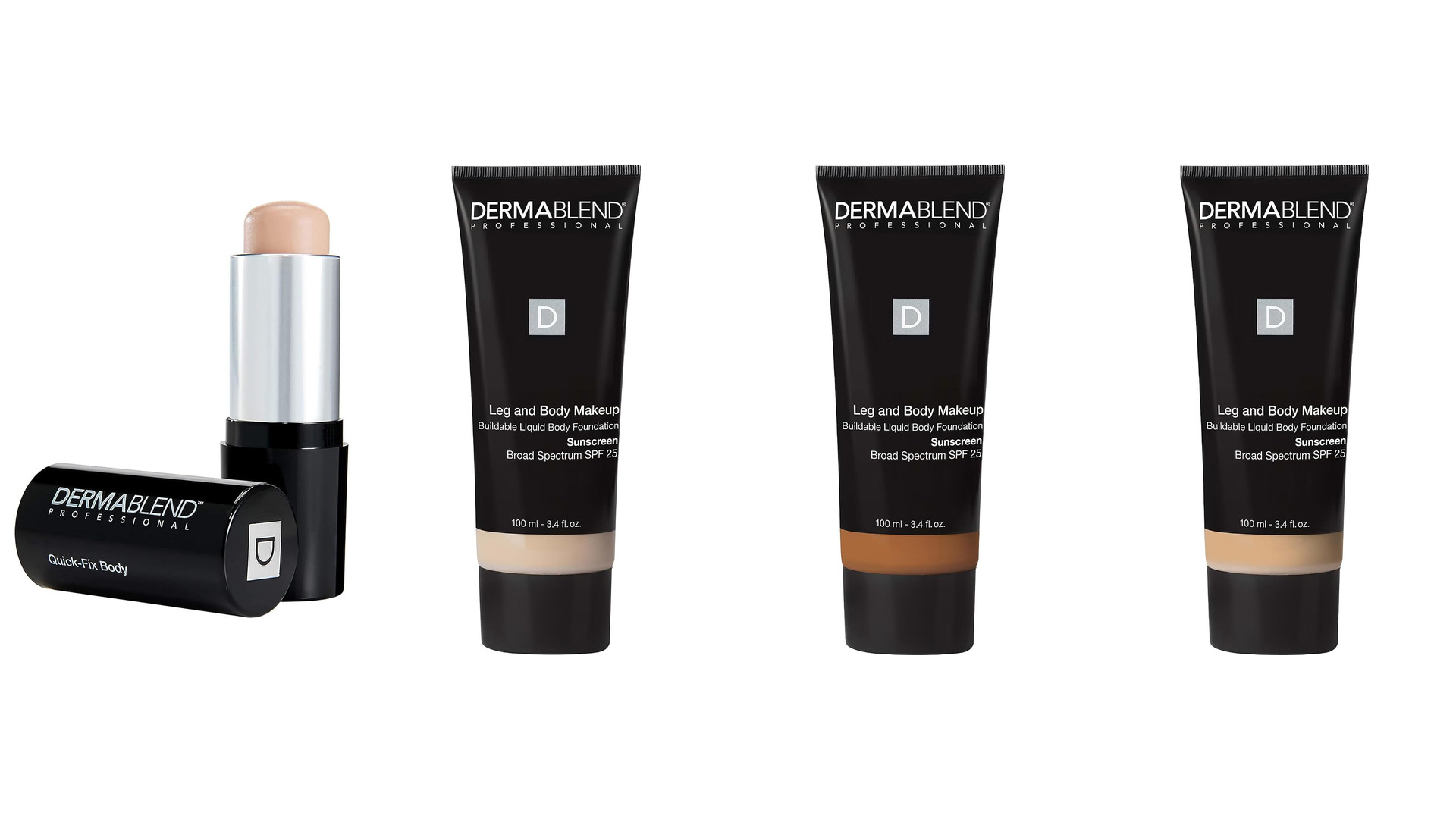
Applied over the marks themselves rather than around them, self-tanner brings pale marks closer to the surrounding color and substantially reduces how visible they are on a given day. Camouflage makeup does the same for a single occasion. Neither changes the scar, and both need repeating, but for mature marks they do more for appearance than most of the creams sold for the purpose.
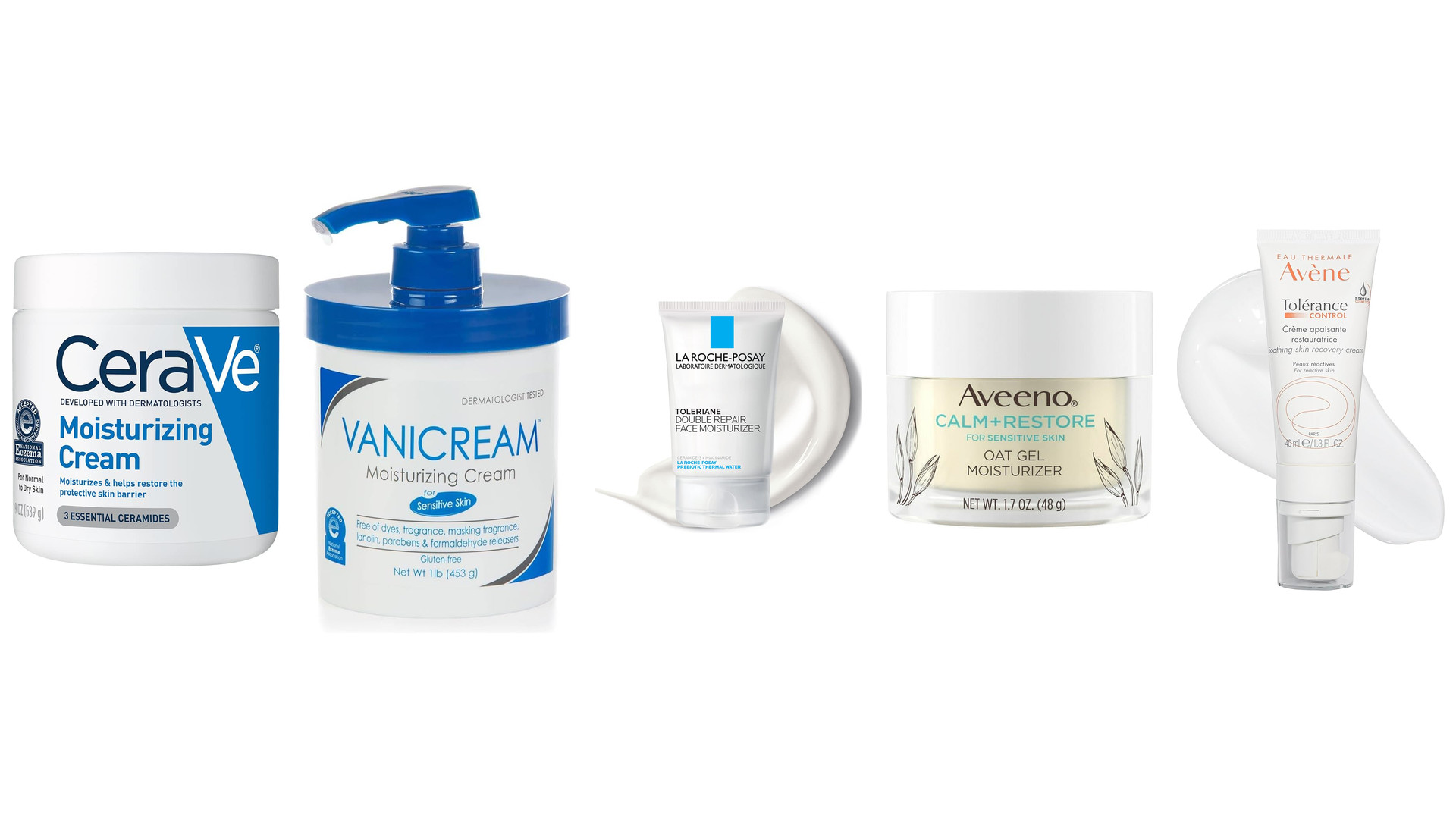
New marks often itch, and scratching adds inflammation to skin that is already inflamed, so a plain moisturizer used regularly is genuinely worth it for comfort. It does not need to be expensive. It has not been shown to prevent stretch marks or to remove them, so treat it as comfort rather than as treatment.
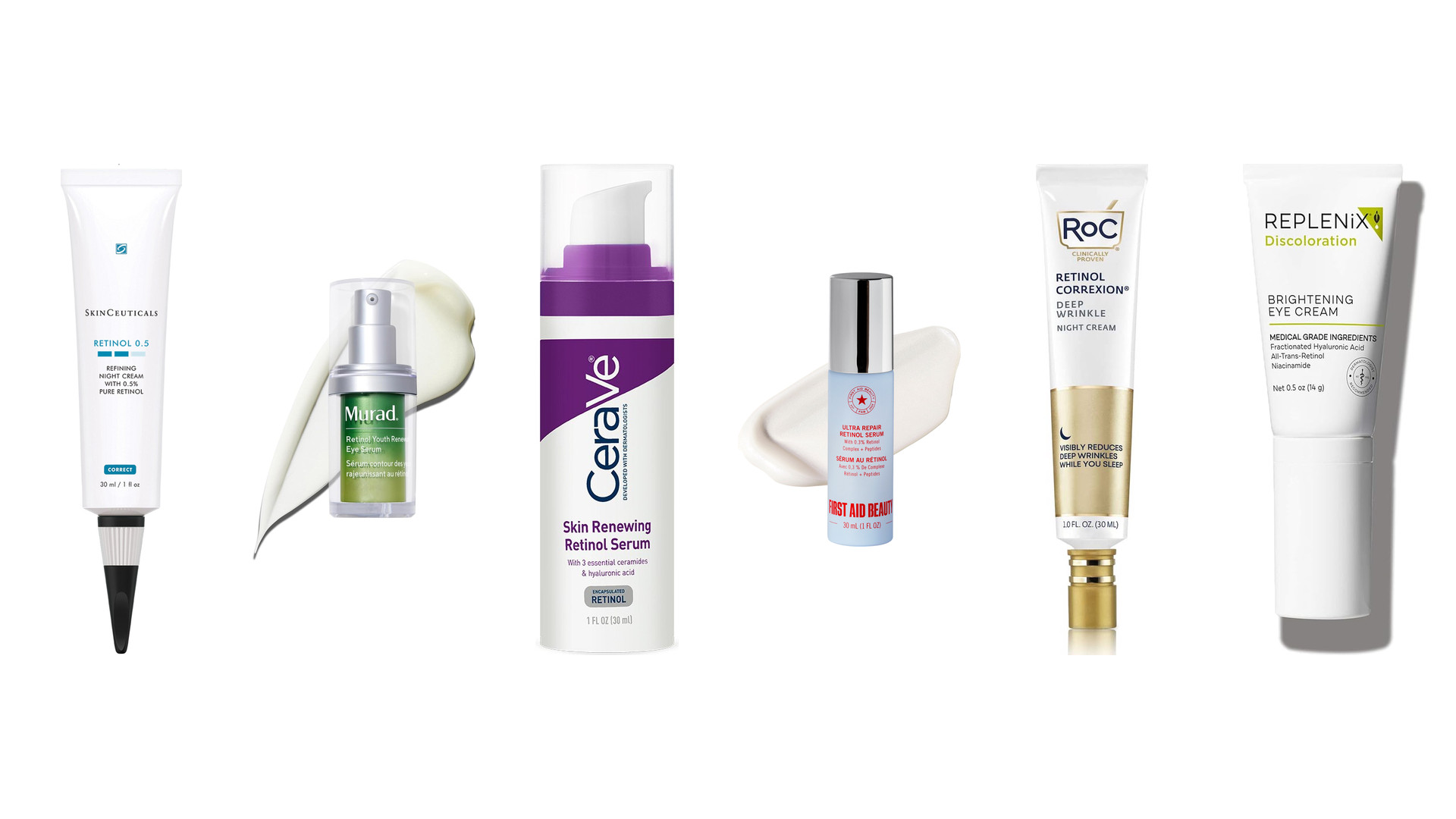
The over-the-counter version of tretinoin, and weaker. It is a reasonable thing to try on red marks if a prescription is not an option, used nightly over months, but the evidence sits behind tretinoin and the results are smaller. It has nothing to offer white marks, and it is not used in pregnancy.
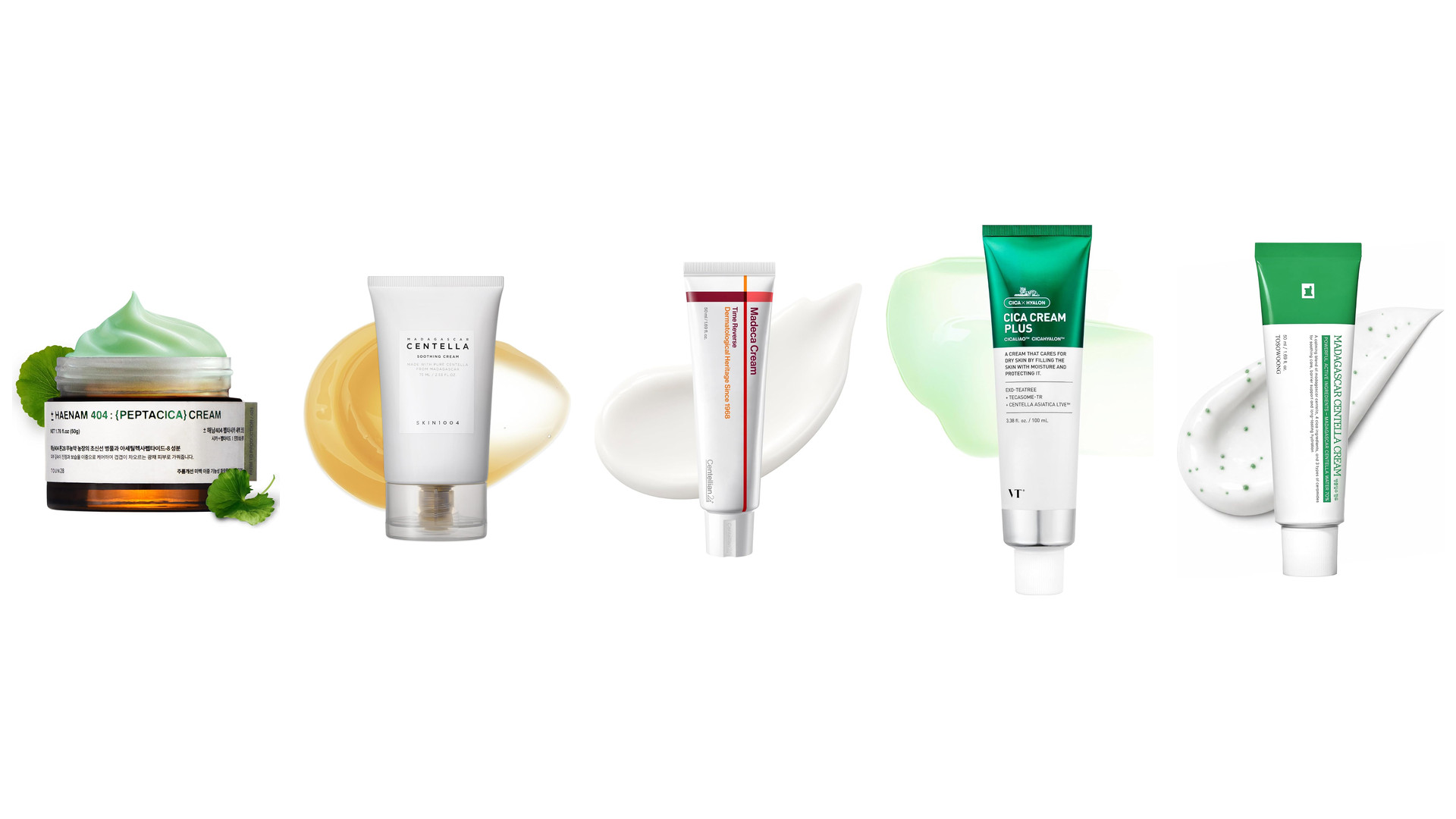
Of the massaged preparations sold for prevention in pregnancy, the ones containing centella asiatica or hyaluronic acid have the only supportive evidence, and it is limited and low quality. That is a long way from the claims on the packaging. Low risk, uncertain benefit, reasonable to try and not to rely on.

Cocoa butter has been tested in randomized trials against a plain placebo cream and did not show a clear benefit for preventing stretch marks. Olive oil and the bio oils sold alongside it are in the same position. They are pleasant to use and they soften itchy skin, and that is the honest reason to buy one.

Neither collagen supplements nor drinking more water has been shown to prevent stretch marks. The tearing happens in the supportive layer during a rapid stretch under hormonal influence, and nothing taken by mouth has been shown to change that. Family history is doing most of the work here, and no supplement changes it.

The best-evidenced device for mature white marks, and useful on red ones too. It puts columns of controlled heat into the supportive layer to force a fresh round of collagen remodeling, over three to six sessions spaced weeks apart. Expect partial improvement in texture and how noticeable they are, not removal. On deeper skin tones it is used at conservative settings after a test patch, because of the pigment risk.

Fine needles make controlled micro-injuries that prompt new collagen in the scarred layer. Improvement is modest and needs a course of sessions, but it carries a lower risk of leaving dark marks than lasers do, which makes it the more sensible first device on deeper skin tones. It works on both red and white marks.
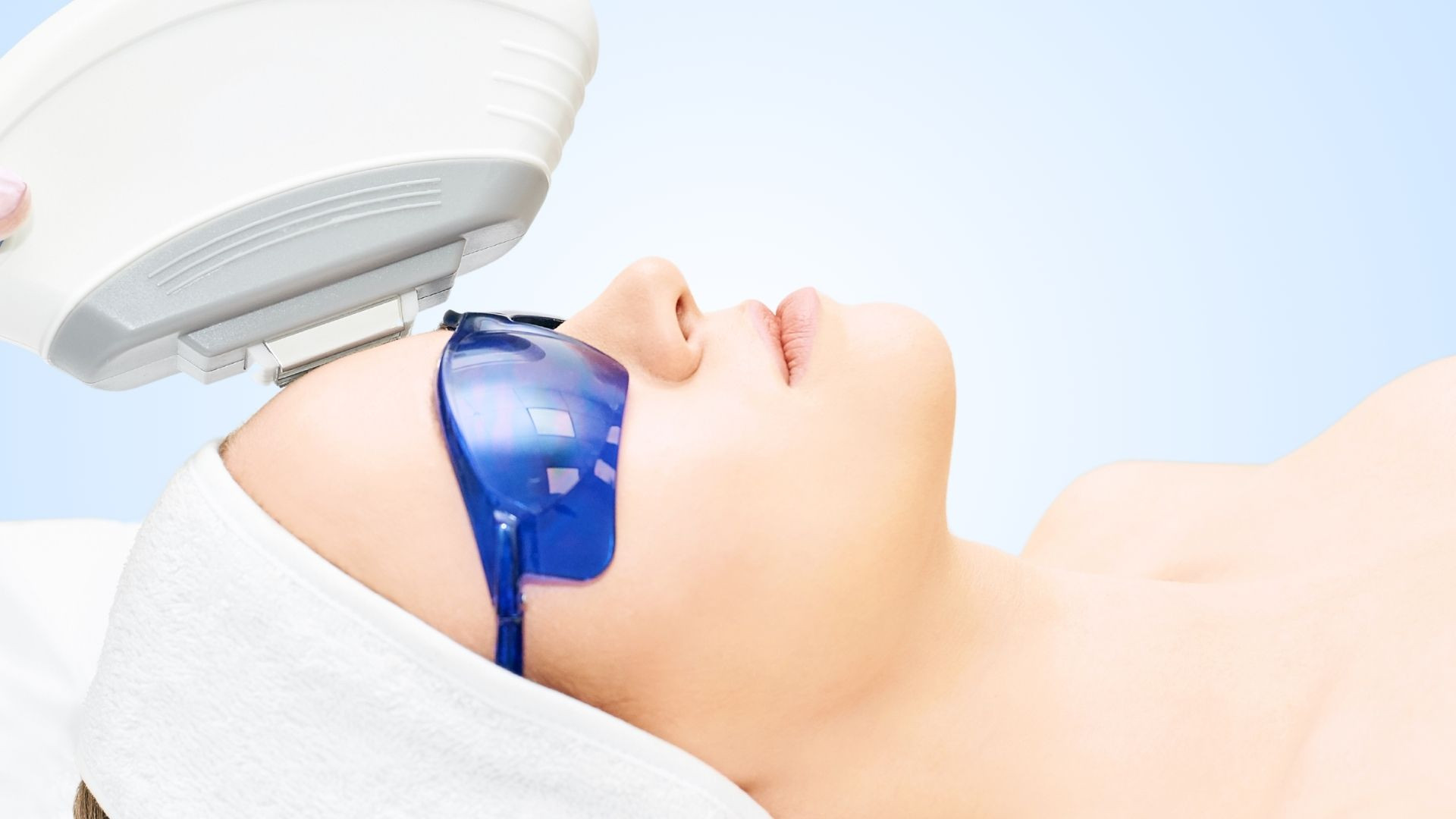
Targets the widened blood vessels that make new marks red or purple, so it is for the early stage only and does nothing for white ones. It can take the color down over a few sessions. On deeper skin tones it carries a real risk of leaving dark marks behind, so it is used cautiously and after a test patch, if at all.

Microneedling with radiofrequency heat delivered at the needle tips, which reaches deeper into the scarred layer. Reported results are modest improvements in texture and firmness over a course of sessions. Because the energy is not aimed at pigment, it is another option worth discussing on deeper skin tones.
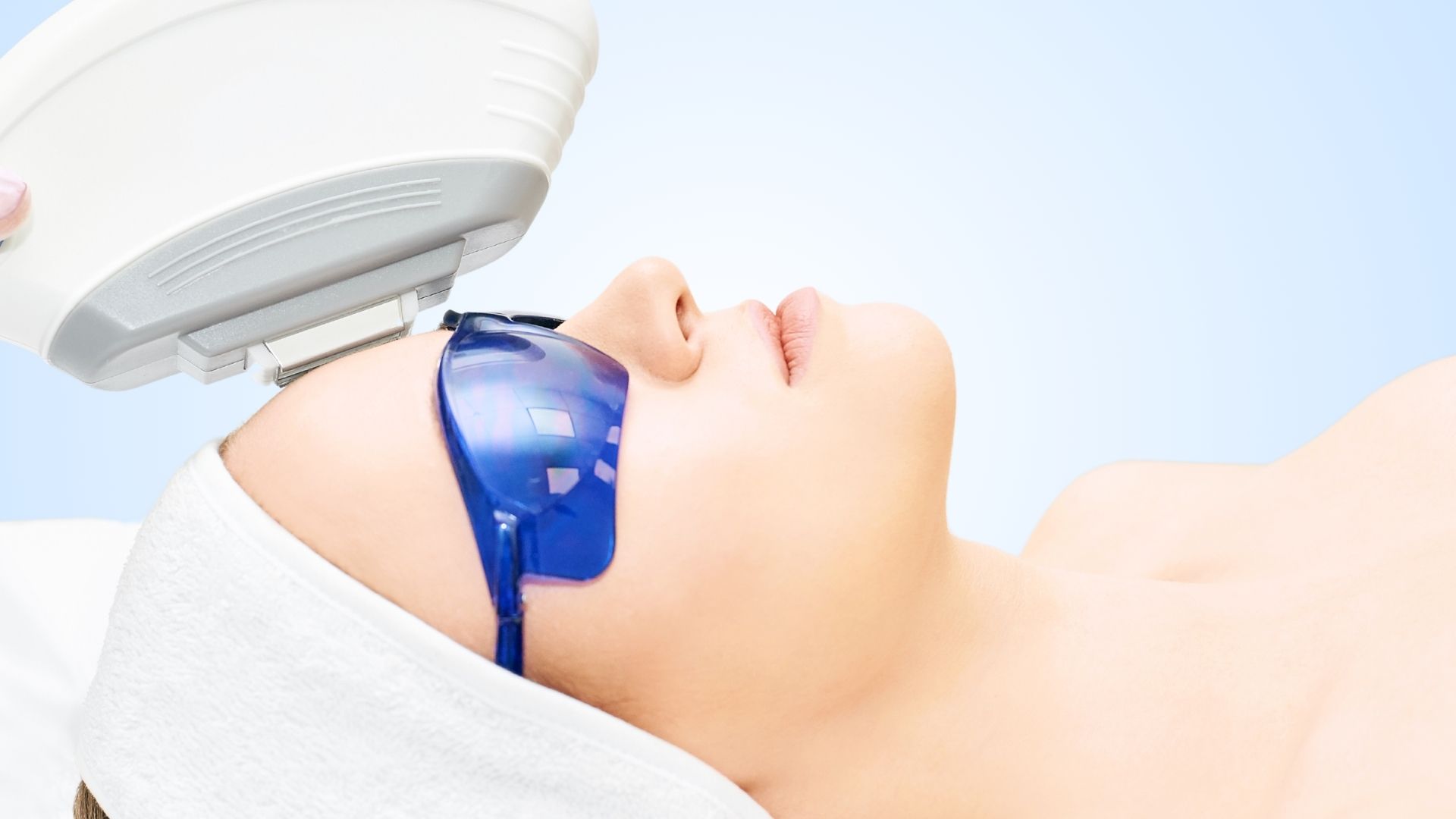
An ablative laser that removes columns of skin rather than only heating them, so downtime is longer and the response can be larger. It is the highest-risk option on this page for post-inflammatory hyperpigmentation and for thickened scars on the chest, shoulders and upper back, which is why it is not a first choice on deeper skin tones.
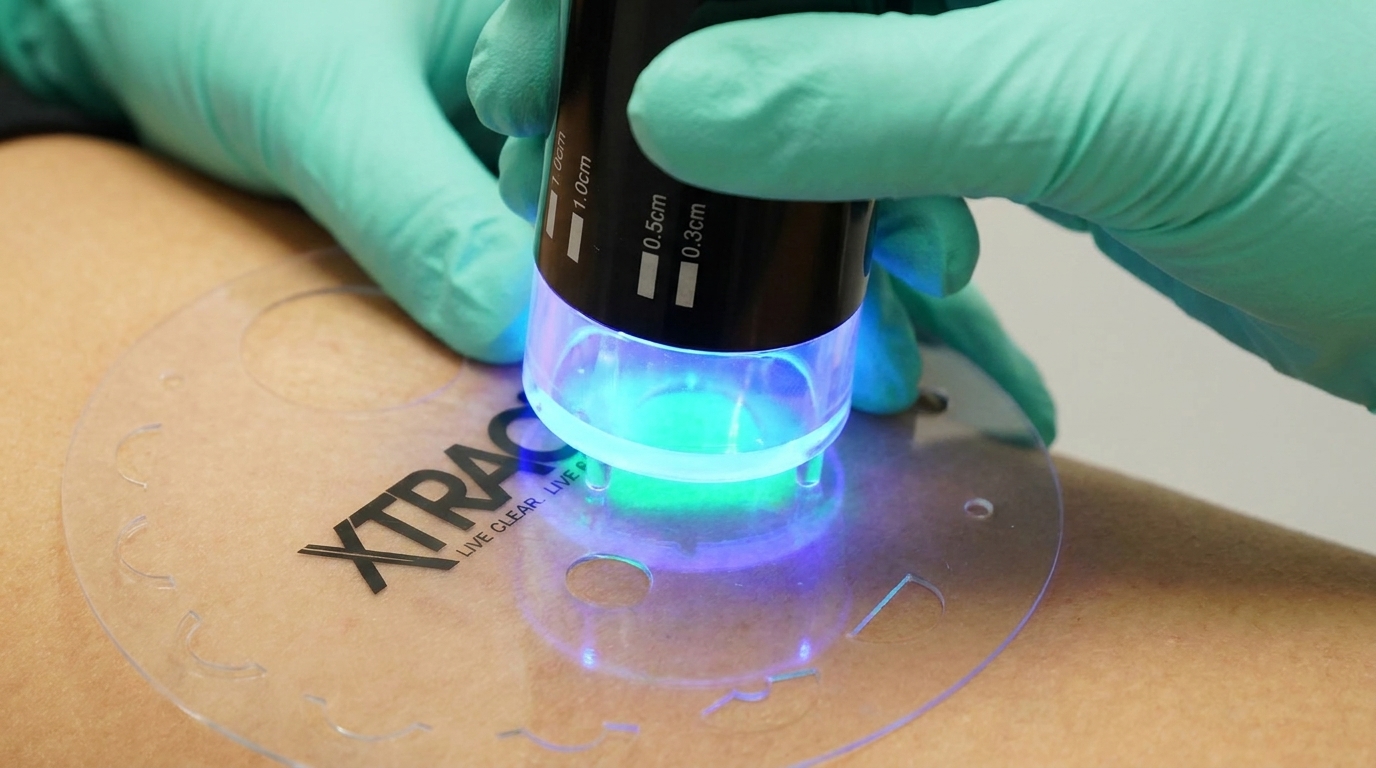
Targeted ultraviolet light used to bring color back into white marks so they blend with the skin around them. It changes the color difference, not the scar, and the effect fades over months unless it is repeated. Narrowband ultraviolet B is used the same way. It is a cosmetic option rather than a repair.

Medium-depth peels have some evidence for modest improvement in mature marks, mostly when used alongside another treatment rather than on their own. Because they work by controlled injury, the same pigment cautions apply on deeper skin tones, and a test patch is worth insisting on.

It polishes the surface layer, and the tear that made the stretch mark is well below that. It is commonly sold as a stretch mark treatment and the published results are minimal. If a clinic is offering this as their answer, it is worth asking what else they do.
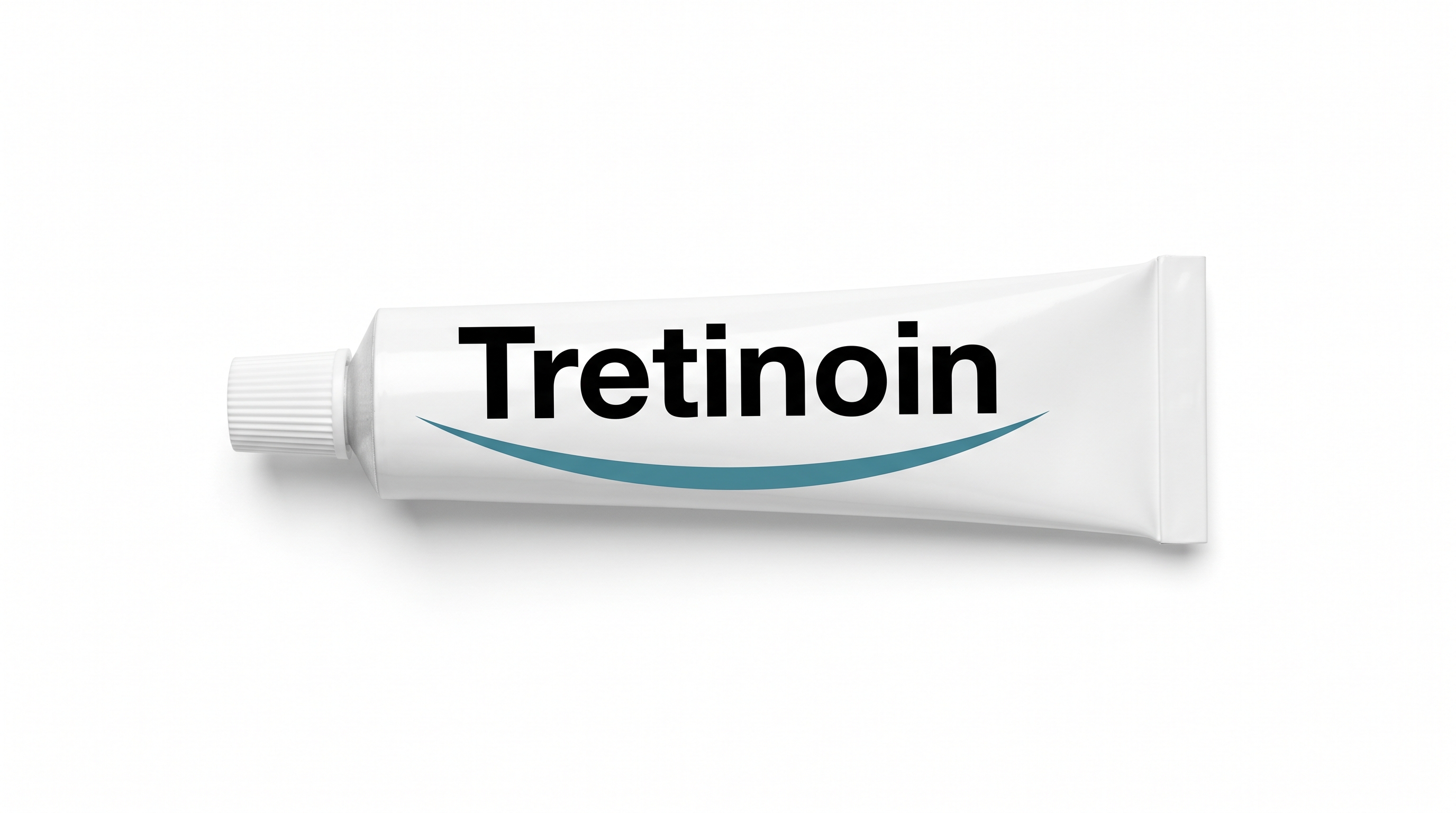
The one cream with real evidence behind it, and only on marks that are still red or purple. Used nightly over months it can make new marks narrower and less obvious by prompting collagen while the skin is still remodeling. It irritates, so it is built up slowly. It must not be used in pregnancy or while breastfeeding, which rules out the most common cause of stretch marks.
Spider veins
If your legs ache or swell
Spider veins on their own are a cosmetic matter. Aching, heavy legs, swollen ankles by evening, or skin around an ankle turning brown or hard is worth a check for a deeper vein problem.
Stretch Marks
If they appear without a reason
Stretch marks are harmless. Marks that appear suddenly, are wide and purple, and come with weight gain around the middle are worth mentioning to a doctor.
Stretch Marks
A new stretch mark on the thigh is purple. So is a spider vein. On the outer thigh, where both are common, the colour on its own tells you nothing.
Spider veins
A spider vein is thinner than a pencil line. Under a millimetre, and it varies along its length, getting thinner as it branches.
Stretch Marks
A stretch mark is several millimetres wide. It has a definite width that holds steady along the mark, and two edges you can see clearly.
Spider veins
Spider veins come from pressure inside small vessels. Standing for long periods, family history, age, sun damage on the face, and injury to the skin. Rosacea causes them across the cheeks and nose.
Stretch Marks
Stretch marks come from speed. Skin can stretch a long way slowly. It tears when it has to do it fast: a growth spurt, a quick weight change, fast muscle gain, or a long course of steroid creams or tablets.
Spider veins
Spider veins treat well. Sclerotherapy on the legs and vascular laser on the face both give a clear result, usually over two or three sessions. It is one of the more reliable cosmetic treatments there is.
Stretch Marks
Stretch marks treat partially. The red stage responds. The silver stage barely does. Expect a mark to become less noticeable rather than to disappear, whatever the advertising says.
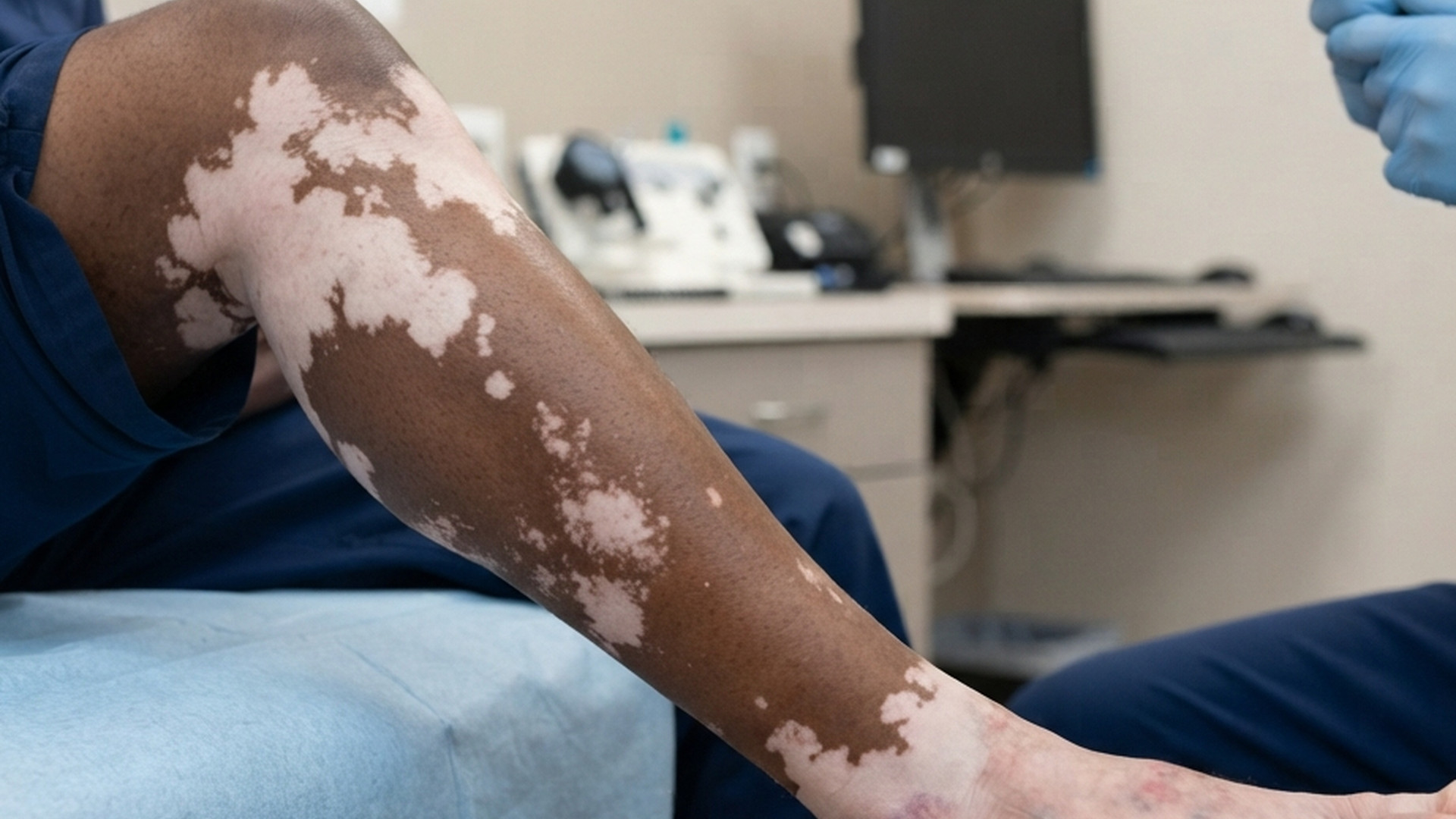
Mature stretch marks are lighter than the skin around them, and on deeper skin tones that difference can be striking enough to raise the question. Vitiligo makes patches, not bands — rounded, sharply edged, often mirrored on both sides of the body, and completely milk-white with normal texture inside them. Stretch marks run in parallel lines in the direction the skin was stretched, are only partly lighter, and have a thin, finely wrinkled, slightly sunken surface you can feel.
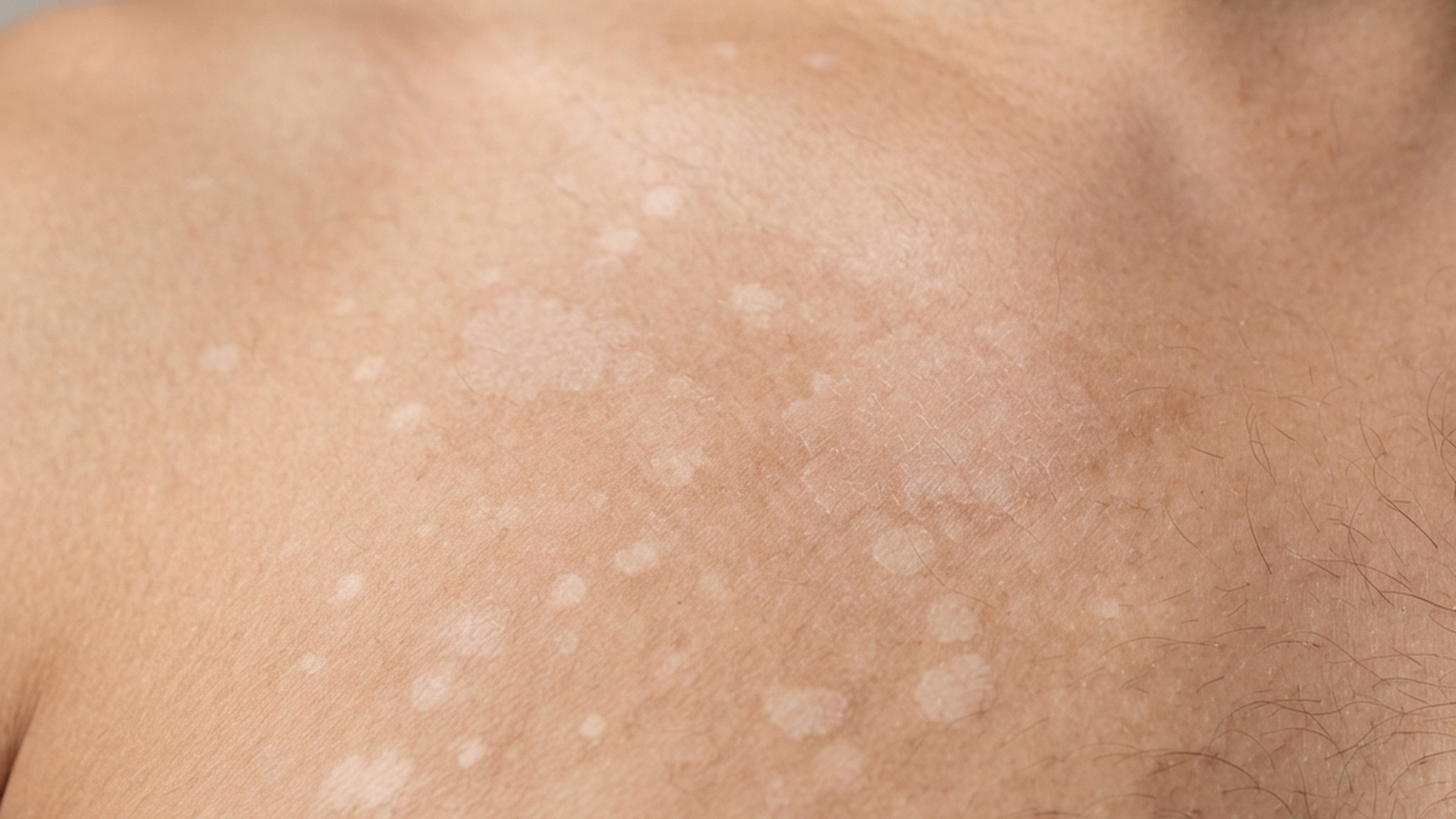
This is the mix-up that turns up in the same person and the same place: pale marks across the shoulders, chest and upper back of a young adult who also has stretch marks there from a growth spurt or from training. Tinea versicolor is a yeast overgrowth, so it makes small oval patches that merge into larger maps, with a fine dust of scale that shows when you scratch it lightly. Stretch marks are straight parallel bands, have no scale, and do not respond to antifungal shampoo — which is the practical test.
Common questions
Press it. A spider vein empties of colour and refills within a second or two. A stretch mark looks exactly the same under pressure.
Not necessarily. Many people have spider veins and nothing deeper. If your legs also ache, feel heavy or swell by evening, it is worth having the deeper veins checked.
The ones treated are closed for good. Sclerotherapy and vascular laser both work well. New spider veins can still form elsewhere over the years.
Age of the mark. Purple and red means new and still active. Silver and white means settled, usually after a year or two.
Not much. Creams do not close a vein and cannot rebuild torn collagen. A prescription retinoid helps red stretch marks, but that is a different product from a drugstore body lotion.
Yes. A fast change in body size stretches the skin and adds pressure to leg veins at the same time, so the two often turn up together.