Restylane

Lip filler being placed. The needle enters at the lip border and the product is added in small amounts along its length rather than all at one point.
Botox Cosmetic relaxes muscle. It quiets a treated muscle, so the lines you make when you frown, squint or raise your brows stop forming. Restylane adds volume. It is a hyaluronic acid gel placed under the skin, so thin lips, flat cheeks or a hollow under the eye look fuller. Movement lines belong to Botox; volume loss and folds that show when your face is still belong to Restylane. Many people have both.
| The difference | Restylane | Botox |
|---|---|---|
| Cost | Paid per syringe, out of pocket | Paid per treatment, out of pocket |
Lip filler being placed. The needle enters at the lip border and the product is added in small amounts along its length rather than all at one point.
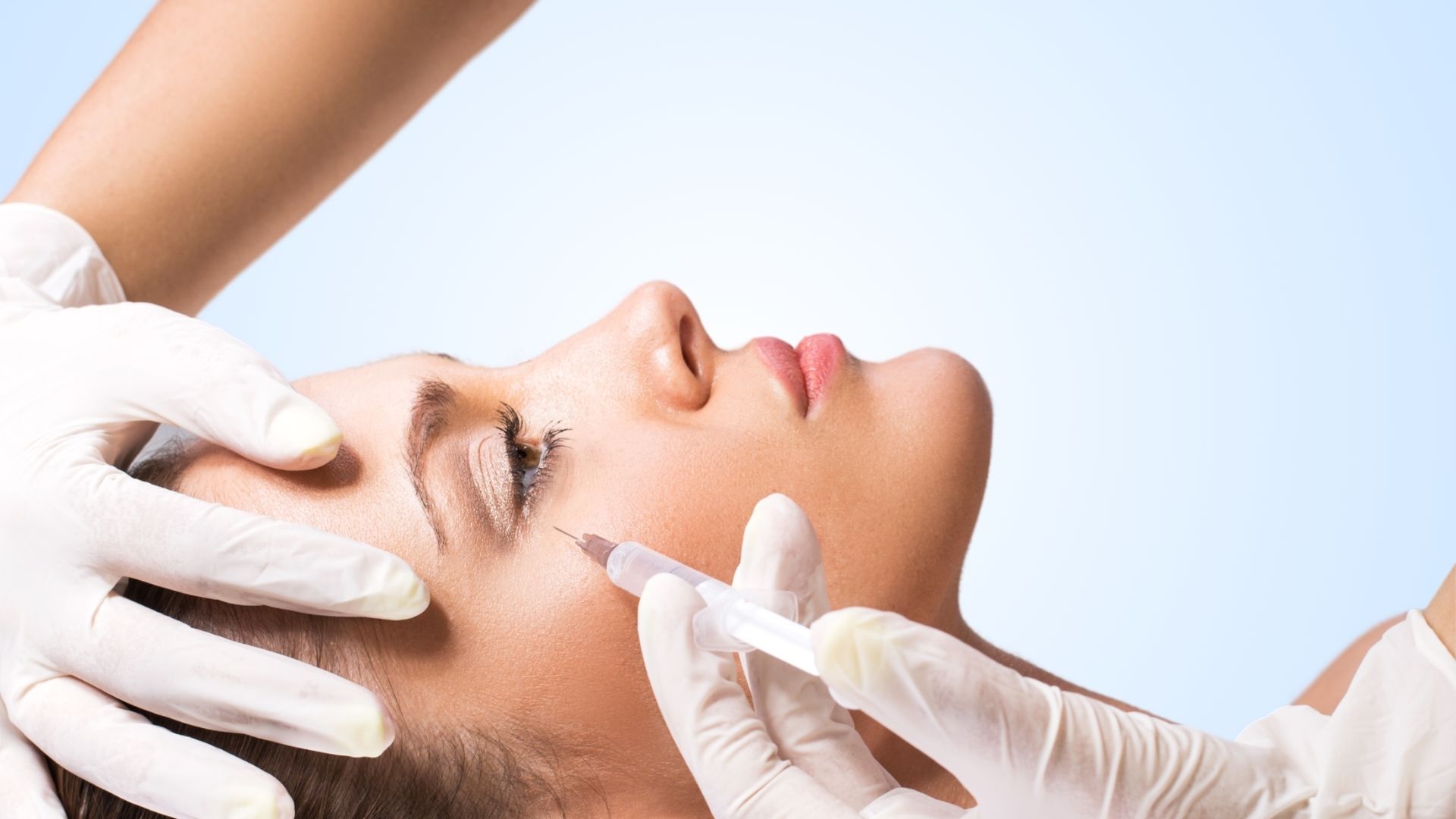
An injectable treatment being placed in the face. A neurotoxin is given with a very fine needle in small amounts, and each spot takes only a few seconds.
Side by side
Restylane
A syringe of gel, into one area
The gel is placed under the skin in the area you want fuller.
Botox
Small shots into a muscle
The dose is counted in units, and each area has its own.

A grid of small injections that block the nerve signal reaching the sweat glands in that patch of skin. It starts working within a few days to a week and lasts several months before it needs repeating. Underarm injections are well tolerated; palms and soles hurt more and are usually done with numbing, and palm injections can cause temporary weakness of grip. It is an approved medical treatment for severe underarm sweating, not a cosmetic one, and insurance often covers it once antiperspirants have been tried and documented.
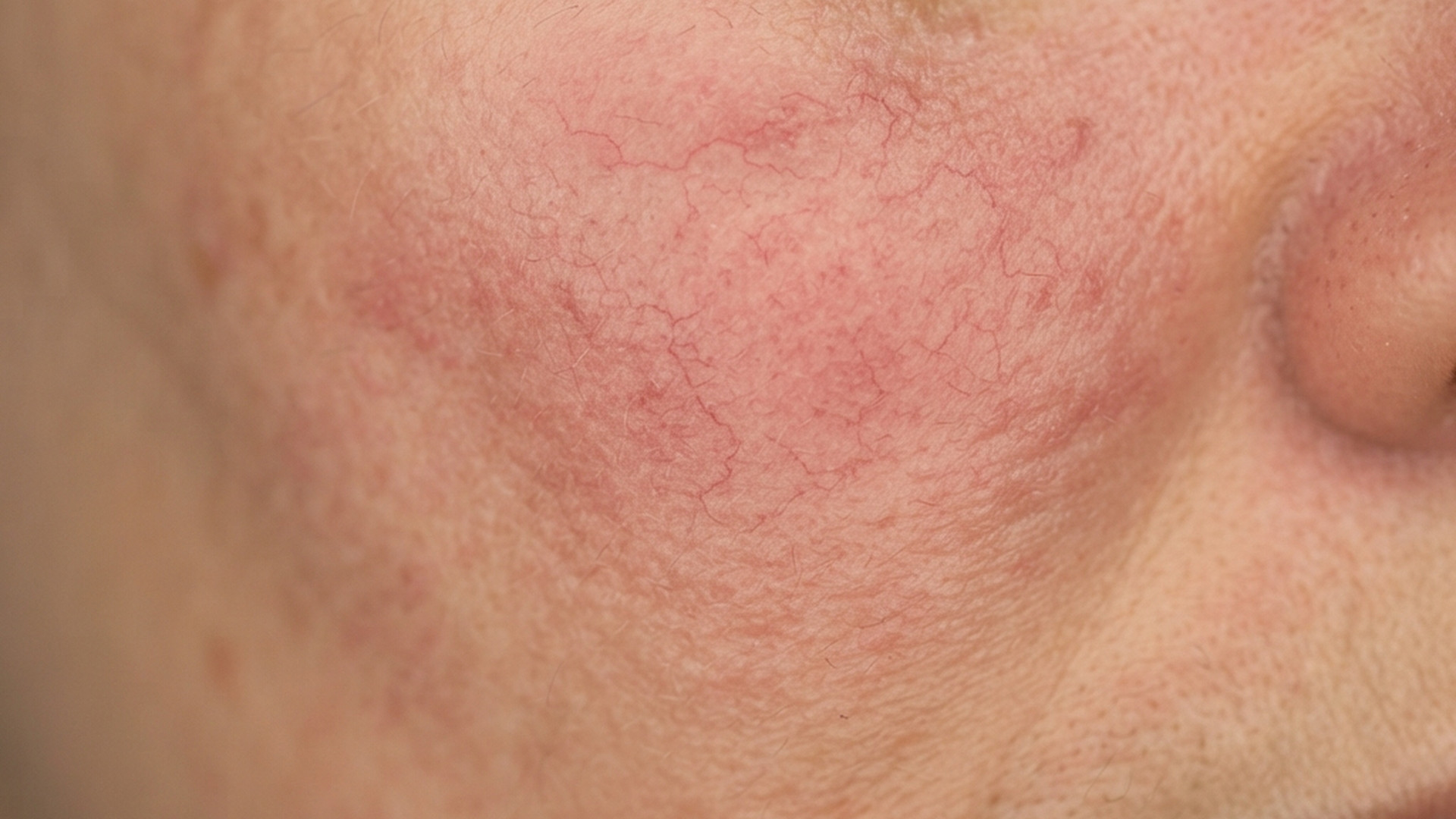
Very small amounts injected into the surface of the skin, not the muscle, to reduce flushing and background redness. Early studies are encouraging and dermatologists do use it for stubborn flushing. It is off-label for rosacea, it is not usually covered, and it wears off in a few months.

The reliable treatment for lines caused by movement — frown lines, forehead lines and crow's feet. It relaxes the muscle that folds the crease, so the line softens over about two weeks and returns as the effect wears off at three to four months. It does nothing for lines that are already there at rest, and nothing for sagging.
Restylane
Fuller shape where it is placed
Thin lips, a flat midface, a receding chin, a hollow under the eye or thin-looking hands look fuller.
Botox
Lines that stop forming when you move
Frown lines, crow's feet, forehead lines and neck bands soften, because the muscle stops pulling.
Restylane
It will not stop a muscle moving
Botox
It will not add volume
Restylane
The same day, once swelling settles
Botox
Days, peaking at about two weeks
Restylane
Months, and it varies by product
Each product has its own trial. At the last visit in those trials, six to twelve months in, most treated people still counted as improved.
Botox
The label calls it temporary
It puts no number on how long the effect lasts.
Restylane
Hyaluronidase dissolves it
This is a second injection that breaks the gel down. It works within minutes to hours, and a second dose is normal.
Botox
Nothing reverses it — you wait
The effect wears off on its own.
Restylane
Paid per syringe, out of pocket
How much you pay tracks how many syringes the area takes.
Botox
Paid per treatment, out of pocket
How much you pay tracks how many areas are treated.
Restylane
Lip plumpers are not filler
A lip plumper mildly irritates the lip so it swells for a few hours. The swelling is gone by the end of the day.
Botox
"Botox in a bottle" serums
A cream sits on the surface. The muscle it would have to reach is several millimetres down. There is no home version of either treatment.
Restylane
Botox
Botox
Botox Cosmetic is the answer for crow's feet. It has been approved for that area since 2013. No Restylane or Juvederm product is approved there. Filler used in crow's feet is off-label — legal and routine, but untested in that spot.
Restylane
Each Restylane product was measured in its own trial, so one number does not cover the family. In the lip trial, 93% counted as improved at week 8, and 59% at week 24. Other products were followed for as long as 12 or 18 months.
Botox
The Botox Cosmetic label puts no number on duration. It calls the improvement temporary and leaves it there.
Restylane
Restylane is a family name, not one product. Restylane, Restylane-L, Lyft, Silk, Refyne, Defyne, Kysse, Contour and Eyelight each carry their own FDA approval for their own named area, so a figure from one does not apply to another. The gels are Class III devices approved through the premarket approval (PMA) route, under three approvals with each product as its own supplement. Syringes come as 0.5 mL or 1.0 mL.
Restylane's approvals are anatomical. Restylane and Restylane-L — facial wrinkles and folds such as nasolabial folds, plus lip augmentation (2011 and 2012). Lyft with Lidocaine — nasolabial folds, cheeks and midface (2015), the back of the hands (2018) and the chin (2025). Silk — lips and perioral lines (2014). Refyne and Defyne — nasolabial folds (2016), with Defyne also the chin (2021). Kysse — lips and upper perioral lines (2020). Contour — cheeks and midface (2021) and temple hollowing (2026). Eyelight — infraorbital hollowing (2023). Lip indications belong to Restylane, Restylane-L, Silk and Kysse only. None is approved for crow's feet, jowls, gummy smile or named marionette lines.
Restylane Eyelight carries a training restriction. Since December 2023, its labelling limits supply to injectors who have completed an FDA-approved device-specific training programme. That is rare, and worth asking about.
Botox
Botox Cosmetic's approvals are muscular. Glabellar lines (April 2002), lateral canthal lines, which are crow's feet (September 2013), forehead lines (October 2017) and platysma bands (October 2024). Those four are the full cosmetic list; no masseter indication appears on the label. The label doses are 20 Units for glabellar lines, 24 Units for lateral canthal lines, 40 Units total for forehead and glabellar lines together, and 26, 31 or 36 Units for platysma bands depending on how severe the bands are. Botox Cosmetic Units do not convert into any other brand's units.
Common questions