Granuloma Annulare
An immune reaction in the skin Immune cells gather in a small patch of the deeper skin and push up a ring of bumps. Nothing is growing there. No germ is involved.
Granuloma annulare is an inflammatory reaction inside the skin, not an infection. It forms a smooth ring of firm bumps that usually does not itch, does not flake, and cannot spread to anyone. Ringworm is a fungal infection. It itches, it spreads, and the edge of the ring is scaly. Run a fingertip around the border: rough and flaky points to ringworm, smooth and firm points to granuloma annulare.
| The difference | Granuloma Annulare | Ringworm |
|---|---|---|
| What it is | An immune reaction in the skin | A fungus growing in the skin |
| What it looks like | A smooth ring of firm bumps | A scaly ring with a raised edge |
| What it does over time | Often clears by itself | Stays until it is treated |
| Treatment | Often nothing, or a steroid | An antifungal cream |
| Cost | Low, and often free | Low |
An immune reaction in the skin Immune cells gather in a small patch of the deeper skin and push up a ring of bumps. Nothing is growing there. No germ is involved.

Side by side
Granuloma Annulare
An immune reaction in the skin
Immune cells gather in a small patch of the deeper skin and push up a ring of bumps. Nothing is growing there. No germ is involved.
Ringworm
A fungus growing in the skin
A dermatophyte fungus feeds on keratin in the top layer of skin. It spreads outward from where it landed, which is what makes the ring.
The outer layer sheds steadily and there is nothing living in it.

From another person, a pet, soil or a shared towel or mat. It settles in the dead outer layer.

The fungus grows evenly in every direction from where it landed, using up the keratin as it goes and leaving the older center behind.

The skin reacts hardest where the fungus is newest, at the advancing edge - so the rim is raised, scaly and itchy while the middle looks almost normal. It is not a worm.
Granuloma Annulare
A smooth ring of firm bumps
Small pink, purple, brown or skin-coloured bumps in a circle. The centre looks normal or slightly sunken. The surface is smooth, and it may look slightly shiny.
Ringworm
A scaly ring with a raised edge
Red or brown ring with a flaky, bumpy, advancing border. The centre clears and often looks paler than the rim.

On light skin ringworm looks the way the textbooks describe it: a pink to red ring with a raised scaly border and a flatter, clearer middle. Even here the ring can be lost. Steroid cream given for a suspected eczema patch flattens the edge and takes the scale off, so the ring stops looking like a ring while the fungus keeps spreading underneath.
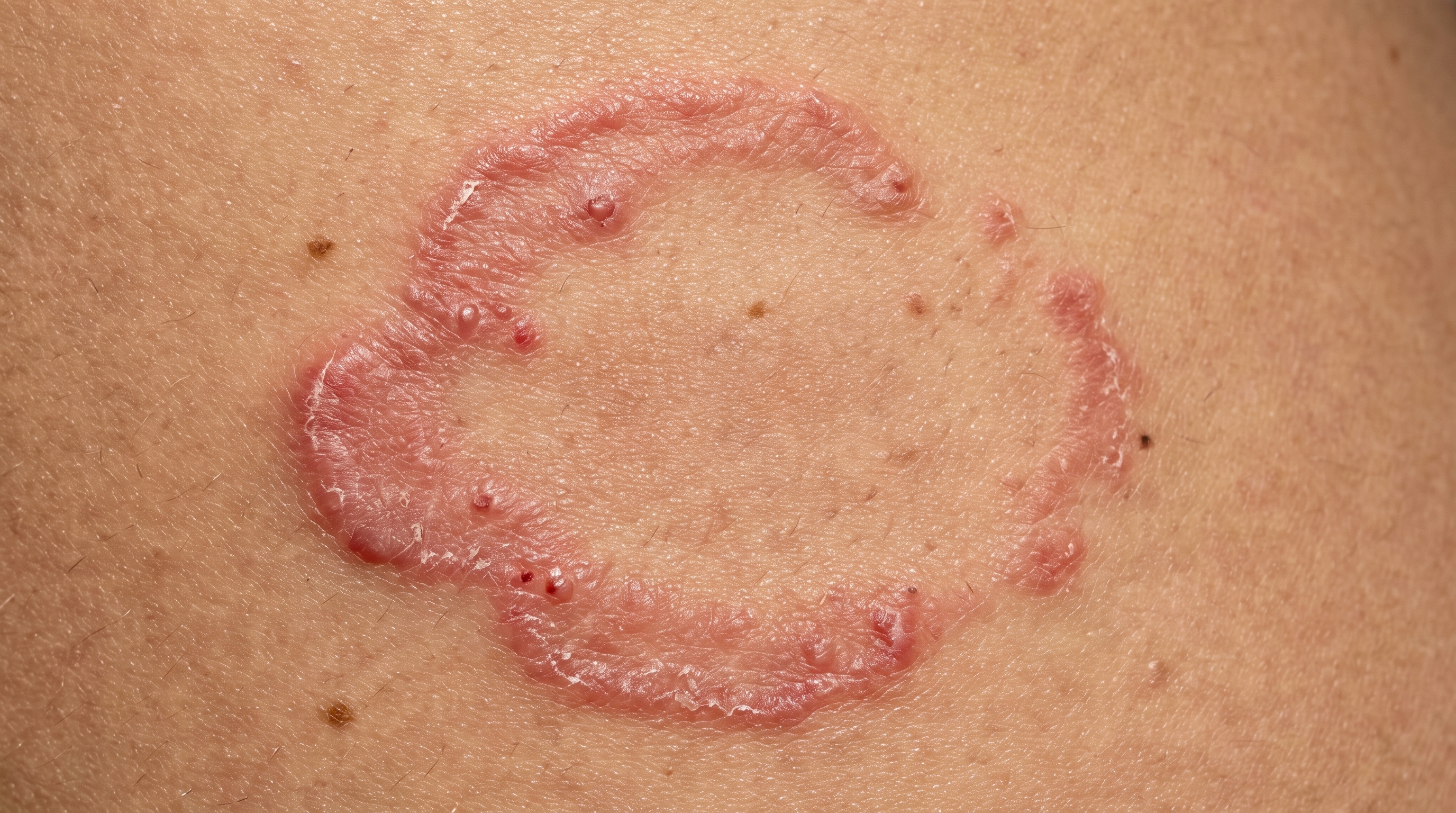
On medium skin the ring reads pink-brown or tan rather than red, and the edge is less obvious at a glance. The signs that hold up are the raised scaly border, the flatter middle, the clearly defined outer edge and the itch. It helps to look at the patch in daylight and run a finger across the border, because the raised rim is easier to feel than to see.

On brown skin the ring is often not red at all. It reads as brown, gray or violet, so looking for redness is the wrong approach. Because the color cue is weak, these patches are more often treated as eczema first, and the usual eczema treatment is a steroid cream, which makes a fungal infection spread. If a patch labeled eczema improves for a few days on steroid cream and then comes back larger, ask specifically about testing for fungus.

On deep skin there may be almost no color contrast, so texture carries the diagnosis: a rim you can feel, scale you can see in side light, and a smoother middle. Once the infection clears, a flat dark ring often stays where the old border was and can take months to fade. That is post-inflammatory hyperpigmentation, not remaining infection, and it does not need more antifungal cream. Daily sunscreen on exposed areas helps it fade faster.
Granuloma Annulare
Usually not
Most people notice it by sight, not by feel. Some rings are mildly itchy, but it is rarely the main complaint.
Ringworm
Usually yes
Itching is common and often the reason people look at the spot in the first place.
Granuloma Annulare
Backs of hands and tops of feet
Also fingers, elbows, ankles and knees. It tends to avoid the face and the trunk.
Ringworm
Anywhere skin touches skin or an object
Trunk, arms, legs, neck and face. Often near the groin, the feet, or a spot that touched a pet or a gym mat.
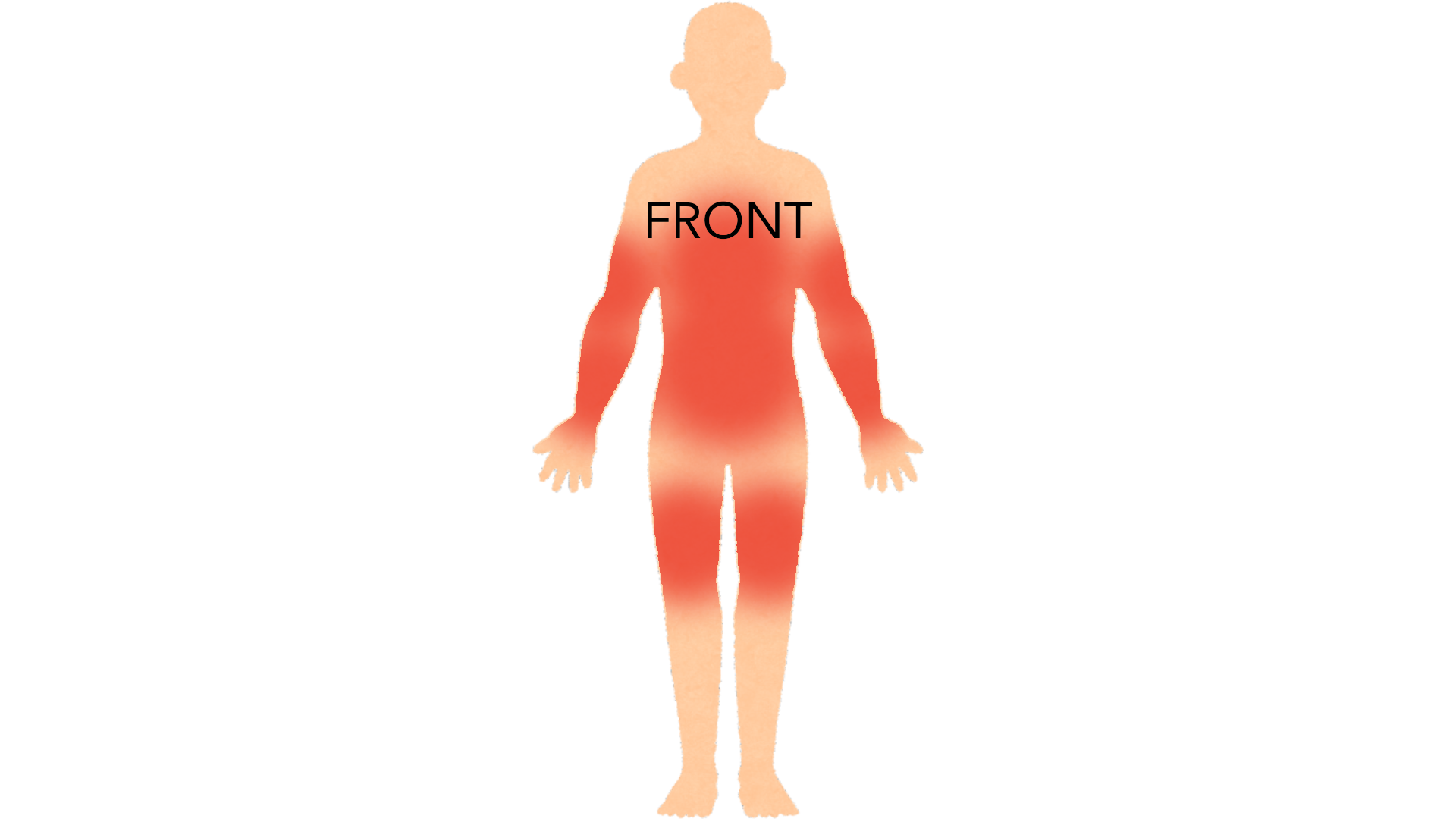
Ringworm lands wherever the fungus was picked up — from a pet, a mat, a towel or another person — so the arms, legs and trunk are the usual places. The shape matters more than the site: a ring that spreads outward with a raised scaly edge and a calmer middle.
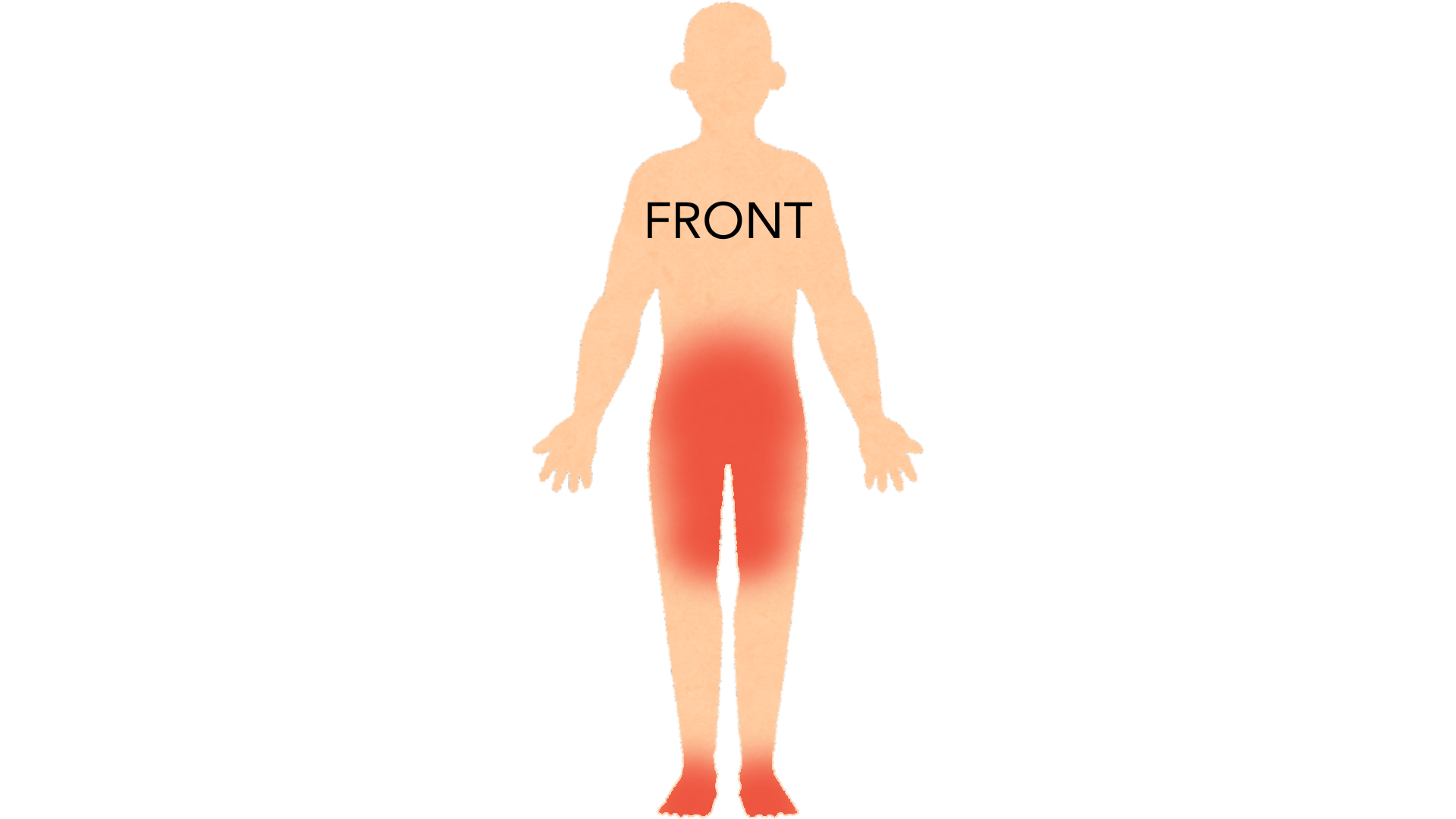
Warm, damp areas are easier for it to hold: the groin, the feet and between the toes, and skin under tight sportswear. The same fungus moves between these sites, so treating one and not the other is why it keeps coming back.
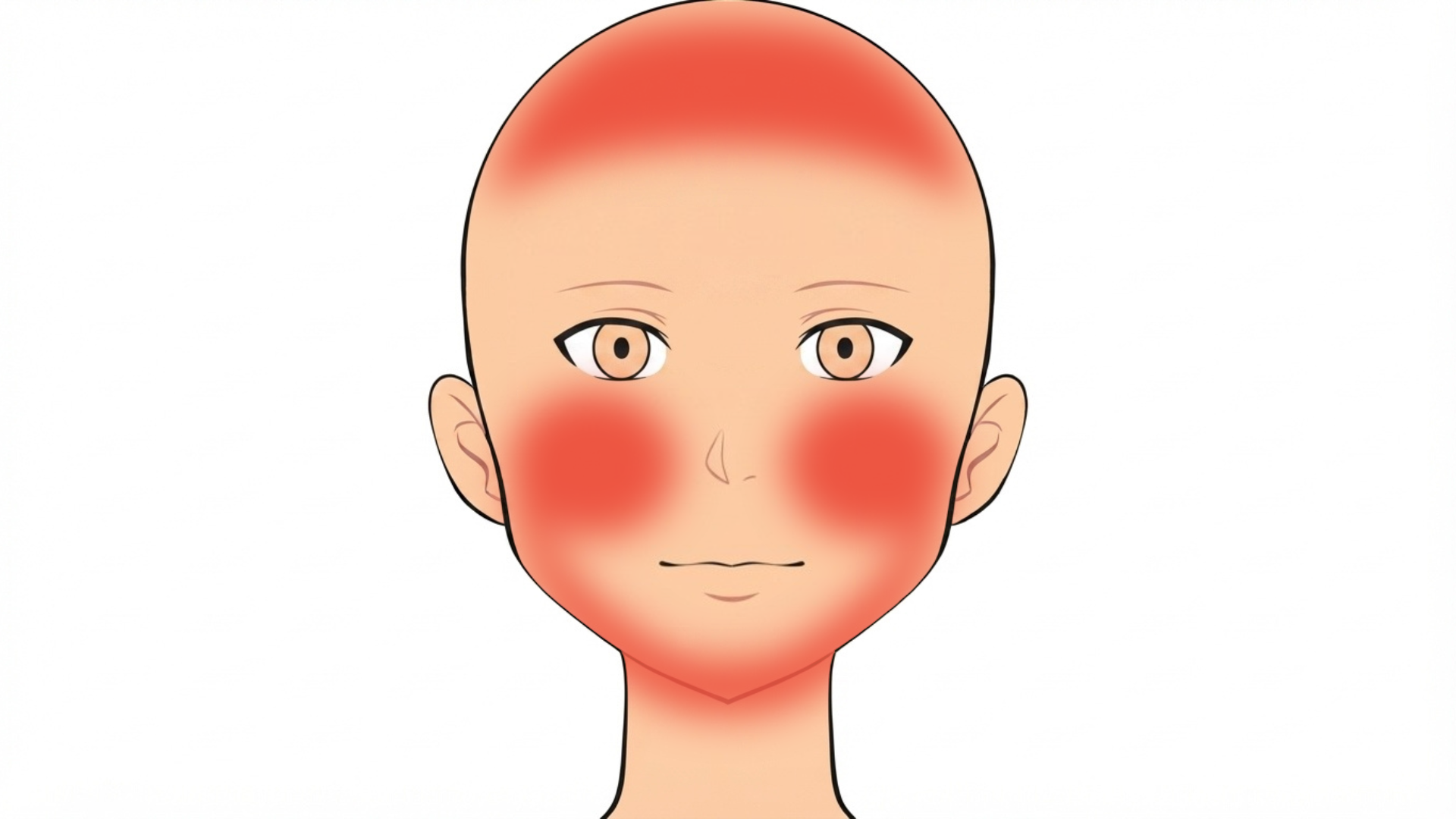
On the scalp it is mostly in children, and it causes a scaly patch with broken-off hairs rather than a clean ring. Scalp and beard ringworm need tablets — creams do not reach the fungus down in the follicle.
Granuloma Annulare
No
You cannot pass it to anyone, and you did not catch it from anyone. Sharing towels and bedding is fine.
Ringworm
Yes
It passes by skin contact, and through towels, clothes, bedding, mats and pets. Cats and dogs are a common source. Treated skin stops being contagious within about two days.
Granuloma Annulare
Slowly, and it may stay one ring
A ring can widen over months. Some people get several rings over time. It does not race outward.
Ringworm
Yes, and quickly
The ring widens week by week, and scratching moves it to new areas. Untreated, one patch usually becomes several.
Granuloma Annulare
Often clears by itself
About half of people with a single area are clear within two years, with no mark left behind. New rings can appear years later.
Ringworm
Stays until it is treated
It does not clear on its own. Antifungal cream clears most cases in about two to four weeks.
Granuloma Annulare
Often nothing, or a steroid
Many people are told to leave it alone. A strong steroid cream, or a steroid injected into the ring, can speed it up when a spot is bothersome or in an obvious place.
Ringworm
An antifungal cream
Clotrimazole, terbinafine or miconazole from the drugstore, applied for the full course. Keep going for about two weeks after the skin looks normal, or it comes back.
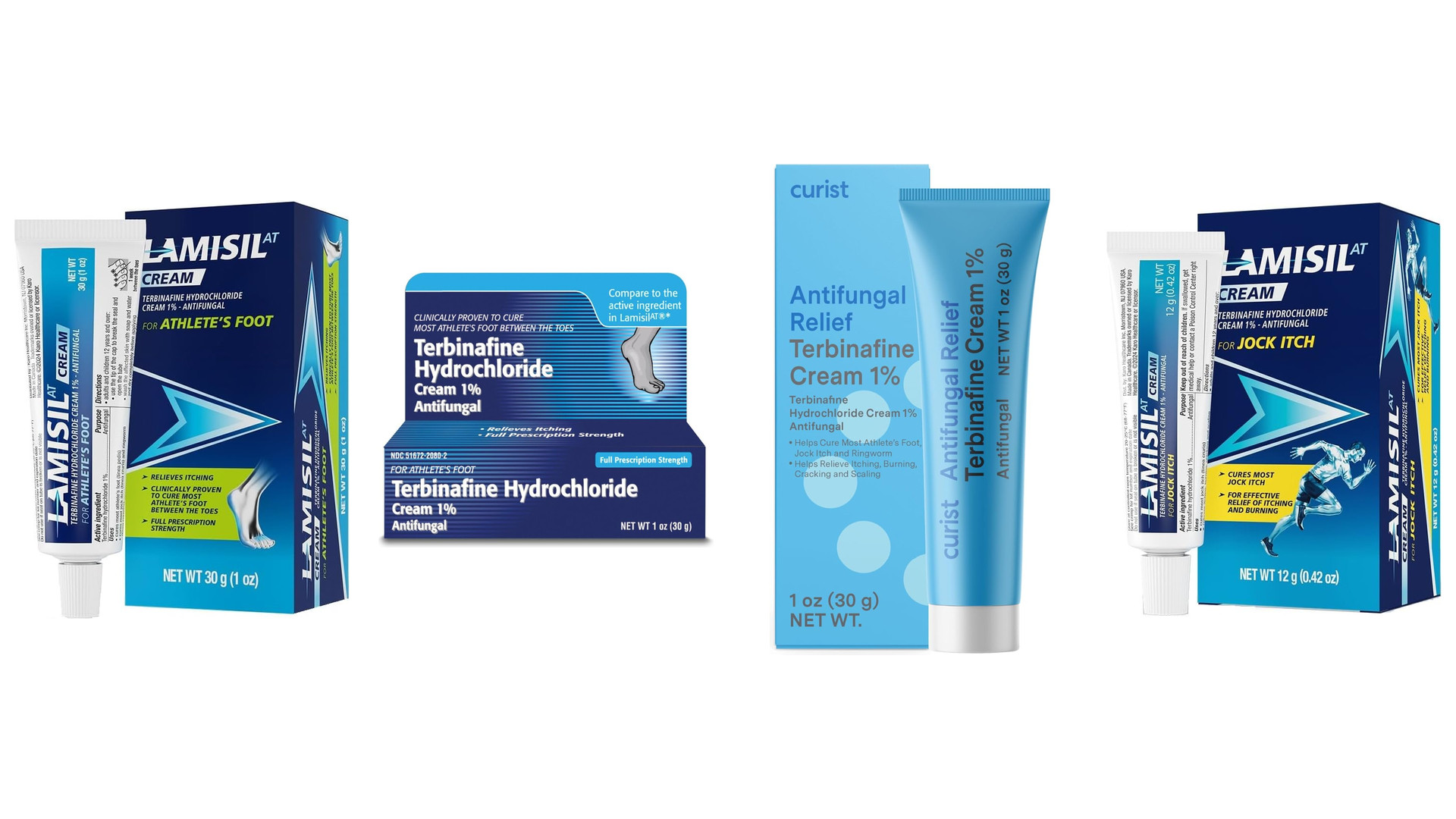
The most effective cream you can buy for ringworm on the body, and it kills the fungus rather than just stopping it growing, so the course is shorter — often one to two weeks. Take it a couple of centimetres past the visible edge. It does not work on the scalp or the nails, where the fungus sits out of reach.

The familiar azole creams, sold everywhere and cheap. They work well on body ringworm, but they stop the fungus growing rather than killing it, so they are used twice a day for two to four weeks and for one to two weeks after the skin looks clear. Stopping at the point it looks better is the usual reason it returns.
An older antifungal, most often sold as a powder or spray. It works on body and foot ringworm but more slowly than terbinafine, and it is weaker on stubborn patches. Its real use is keeping the feet and shoes dry after treatment, since untreated feet are what reseed the rest of the skin.

It does have some antifungal activity, and it is the home remedy people ask about most. The trouble is that it clears ringworm far less reliably than a pharmacy cream, it commonly irritates the skin, and weeks spent on it are weeks the patch keeps spreading. There is no reason to choose it over a proven cream that costs about the same.
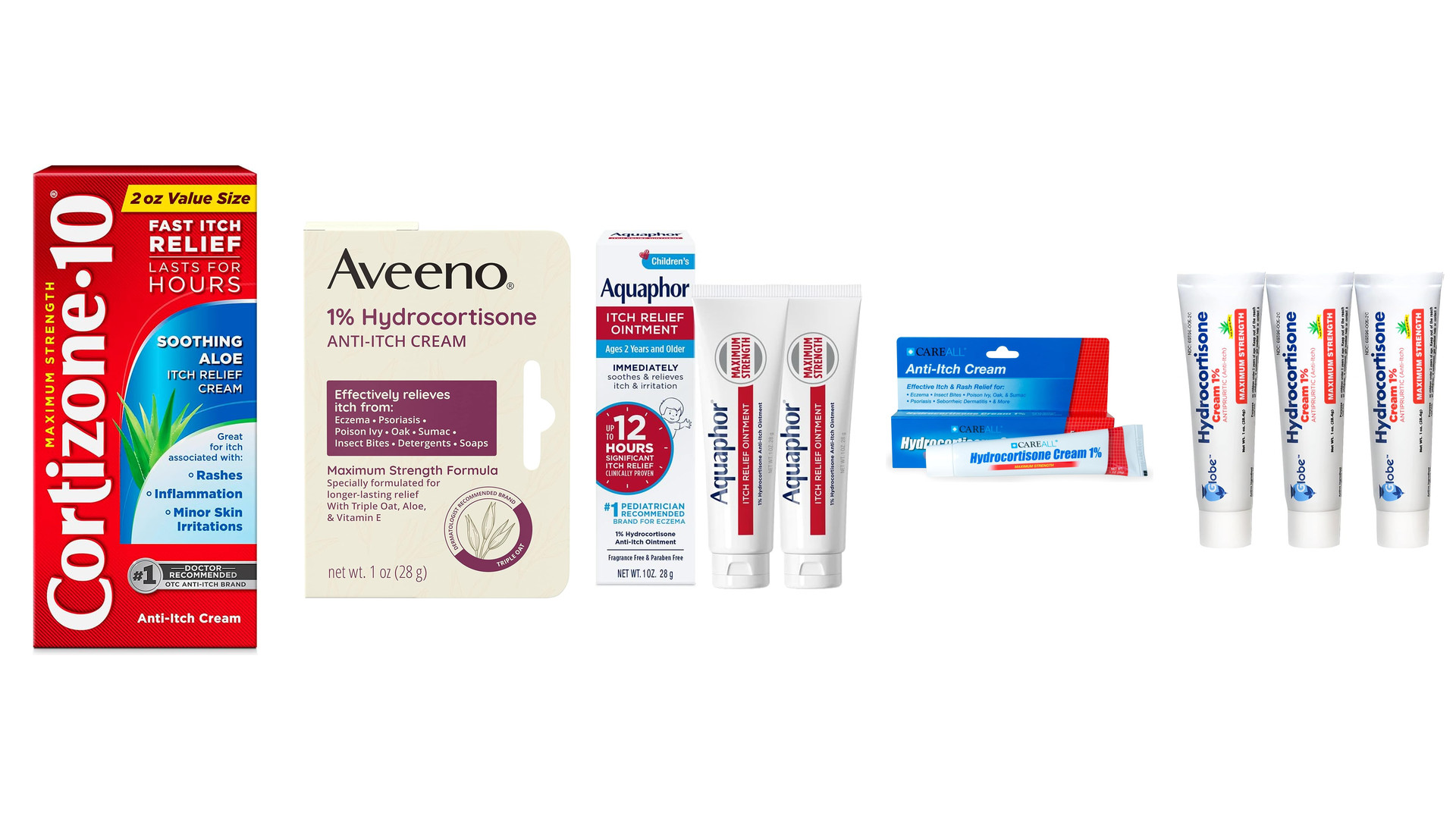
It takes the itch away for a few days, and that is exactly the problem. Steroid cream damps down the immune reaction that was holding the fungus at the edge, so the infection spreads while the rash looks better. What returns is bigger, shapeless and harder to recognize. Do not put it on an undiagnosed rash.

The usual tablet for ringworm that cream cannot reach — scalp infections, nails, widespread patches and stubborn cases. Typically two to four weeks for the scalp and several months for nails, because the nail has to grow out. Liver blood tests are checked for longer courses, and it interacts with a number of other medicines.

An equally effective alternative, often used for nails, for widespread infection and for cases that have not responded to terbinafine. It is sometimes given in pulses of one week a month. It interacts with a long list of common medicines, including statins and some heart drugs, so bring your full list to the appointment.

The oldest scalp treatment and still a first choice in children for some species of fungus. It needs six to twelve weeks, and it is absorbed much better when taken with a fatty meal. Newer tablets work faster, so which one is used depends on the species the lab identifies.

A once-weekly tablet, used mainly when terbinafine and itraconazole do not suit. It clears dermatophyte infections less reliably than either, so it is a second-line option here rather than a first choice, even though it is the antifungal most people have heard of.

The prescription strength of a familiar antifungal, used for body ringworm that has not cleared on an over-the-counter cream, and for larger patches. It is applied once or twice a day for two to four weeks. Like every cream, it is the wrong tool for the scalp and nails.
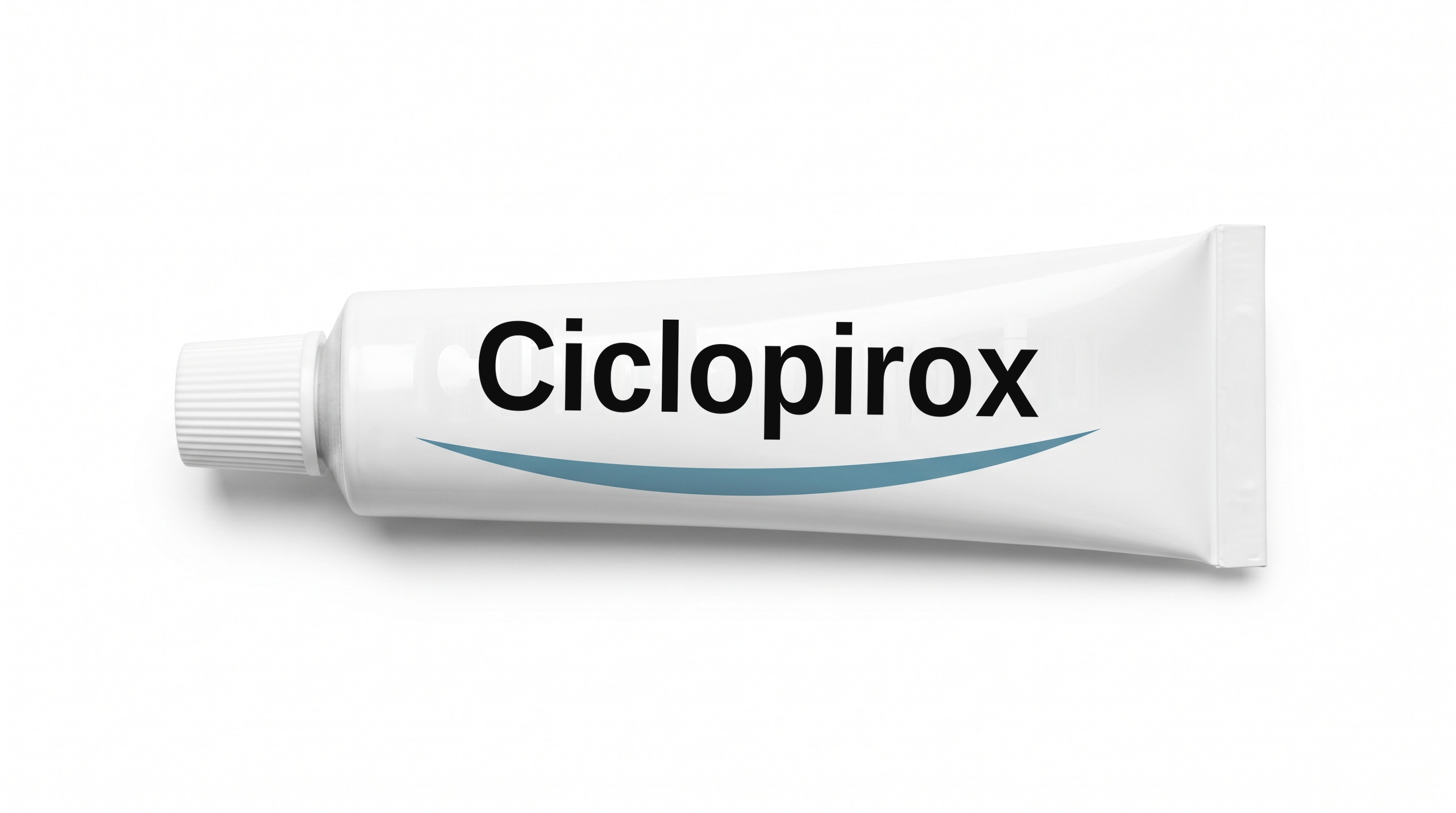
A broad antifungal that also settles inflammation a little, which suits an angry, very itchy patch. It is a reasonable choice when azole creams have not worked or have irritated the skin. It still needs the full course and the same treating past the edge.

A prescription azole cream used much like clotrimazole, applied once daily for two to four weeks. It has some activity against bacteria as well, which is occasionally useful in a moist fold or between the toes where both are present.

Creams that mix an antifungal with a strong steroid are widely prescribed and are a poor choice for ringworm. The steroid part lets the fungus spread and thins the skin, particularly in the groin, and cure rates are lower than with an antifungal alone. If you have one at home, check the label before using it here.
Granuloma Annulare
Low, and often free
Watchful waiting costs nothing. Steroid cream is a cheap prescription.
Ringworm
Low
Drugstore antifungal creams are inexpensive and do not need a prescription.
Granuloma Annulare
Granuloma annulare has no scale. The bumps sit deeper down, under an intact surface. The ring feels firm and smooth, like a raised cord under normal skin.
Ringworm
Ringworm has scale on the advancing border. The rim feels dry and slightly rough, and small flakes lift when you rub it. That scale is the fungus itself, growing in the outer layer of skin.
Granuloma Annulare
Antifungal cream on granuloma annulare simply does nothing. There is no fungus to kill. Weeks of cream with no change is a common reason people finally get the right diagnosis.
Ringworm
Steroid cream on ringworm makes the rash look better and get worse. The steroid calms the redness and the itch, so the ring flattens and loses its scale. The fungus keeps growing underneath. Dermatologists call the result tinea incognito, because the rash no longer looks like ringworm.
Granuloma Annulare
A small biopsy settles the granuloma annulare question. A tiny piece of skin is removed and examined. It shows the pattern of immune cells that defines the condition. This is only done when the diagnosis is unclear.
Ringworm
A skin scraping settles the ringworm question in minutes. A few flakes are taken from the edge of the ring and looked at under a microscope. Fungal threads are either there or they are not.

Ringworm that reaches the nails thickens and discolors them and lifts the nail from its bed. It matters twice over: creams cannot reach fungus under a nail, so it needs months of tablets, and until it is treated it acts as a reservoir that reseeds the feet, groin and body again and again. This is one of the most common reasons ringworm keeps coming back.

The round, coin-shaped form of eczema is the closest copy: itchy, scaly discs on the arms and legs. Eczema discs are scaly all the way across rather than clearing in the middle, they usually come in numbers on both sides of the body, and they do not creep outward from a point. This is the mix-up worth getting right, because eczema is treated with the steroid cream that makes ringworm spread.
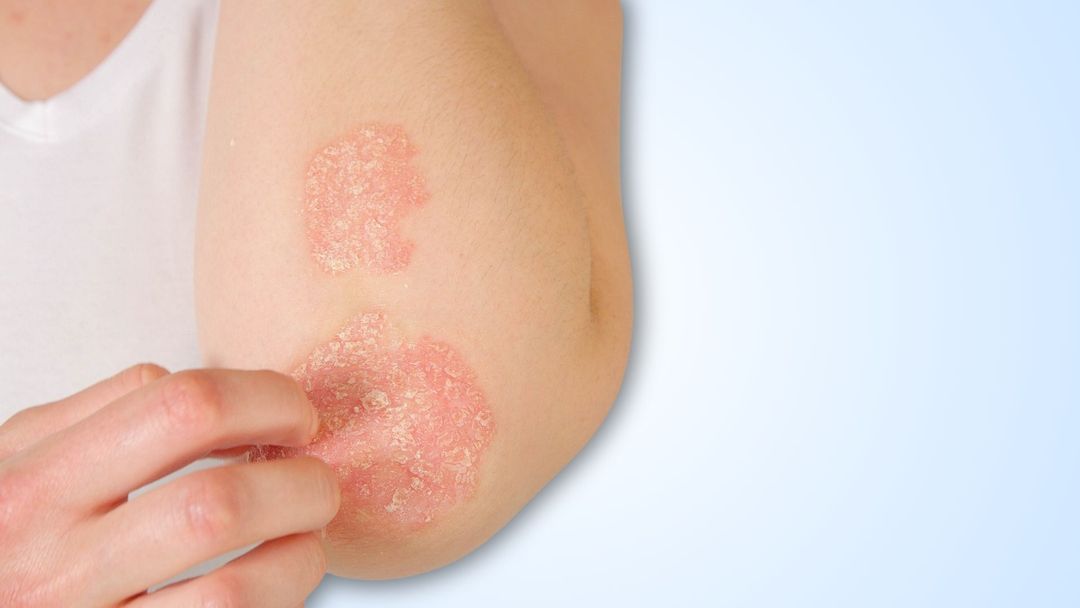
A single psoriasis plaque is round, scaly and sharply bordered, which is close enough to cause trouble. Psoriasis scale is thicker and silvery-white and covers the whole patch rather than sitting in a rim, and the patches are usually symmetrical — both elbows, both knees. There are normally clues elsewhere too, on the scalp, the nails or the crease between the buttocks.
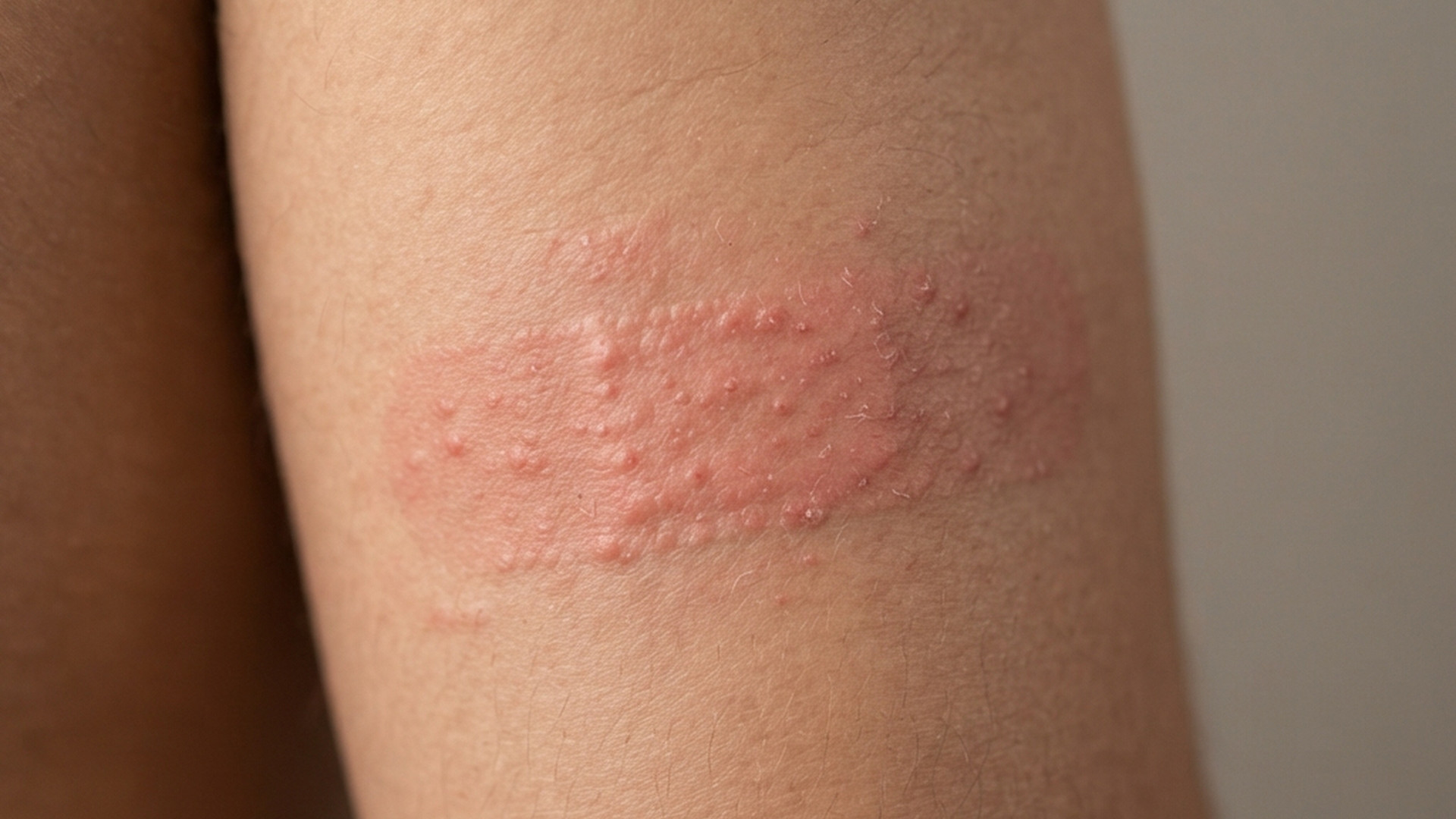
A reaction to something touching the skin can be a neat round itchy patch — under a watch, a belt buckle or a bra hook — and it is easy to read as a ring. It has no scaly advancing rim and no clearing center, it sits exactly where the object sat, and it settles when that object is kept off. Ringworm carries on spreading regardless.
Common questions