Cystic acne
Inflammation deep in the pore A pore blocks, and the inflammation goes down instead of out. The wall of the pore breaks under the surface, and the surrounding skin becomes inflamed.
Cystic acne is the deepest form of true acne. Large, painful lumps sit under the skin for weeks and often leave scars. Fungal acne is not acne at all — it is yeast growing inside the hair follicles, so the bumps are tiny, all the same size, and itchy. Size and pain separate them in seconds: cystic acne hurts and is big, fungal acne itches and is small.
| The difference | Cystic acne | Fungal Acne (Malassezia Folliculitis) |
|---|---|---|
| What it is | Inflammation deep in the pore | Yeast overgrowing in the follicle |
| What it looks like | Large lumps with no head | Small bumps, all the same size |
| Does it hurt or itch | It hurts | It itches |
| What it does over time | Scars if left alone | Comes back, rarely scars |
Inflammation deep in the pore A pore blocks, and the inflammation goes down instead of out. The wall of the pore breaks under the surface, and the surrounding skin becomes inflamed.

Side by side
Cystic acne
Inflammation deep in the pore
A pore blocks, and the inflammation goes down instead of out. The wall of the pore breaks under the surface, and the surrounding skin becomes inflamed.
Fungal Acne (Malassezia Folliculitis)
Yeast overgrowing in the follicle
Malassezia yeast lives on normal skin. When it multiplies inside the follicle, the follicle becomes inflamed. It is not caught from anyone.

A yeast called Malassezia lives in the openings of hair follicles on almost everyone from puberty onward. It cannot make its own fats, so it feeds on the oil the skin produces. The bacteria living alongside it, and the limited amount of oil, keep its numbers low enough to cause nothing at all.

Malassezia yeast already lives on almost everyone's skin from puberty onward. It cannot make its own fats, so it feeds on the oil the skin produces, and it sits in the openings of hair follicles where that oil collects.

Conditions shift in the yeast's favor. Heat, humidity, sweat held against the skin by clothing, heavy oils, or a course of antibiotics that clears the bacteria it competes with all give it room to grow.

The yeast multiplies down inside the follicle and breaks skin oils down into fatty acids and other byproducts. This is the step every antifungal treatment is aimed at, and the step acne treatment does nothing about.

The immune system reacts to that activity and the follicle becomes a small, red or brown, itchy bump. Every bump goes through the same process, which is why they all end up the same size. Almost everything on the lists below is pushing on one of these four steps.
Cystic acne
Large lumps with no head
Firm, red or skin-coloured swellings, often the size of a pea or bigger. They never come to a white point.
Fungal Acne (Malassezia Folliculitis)
Small bumps, all the same size
Tiny red or skin-coloured bumps in tight clusters, with no blackheads mixed in. The sameness is the giveaway.

A sheet of small pink-red bumps, all the same size, across the shoulders and upper back — and itchy, which is the clue most people notice first. There are no blackheads and no large sore spots. It tends to flare after sweat, heavy moisturizers, or hours in a damp shirt.

The bumps read dull pink to light brown here, so the pattern does the work: identical size, packed in a sheet rather than scattered, and itchy. Ordinary body acne is mixed — different sizes, blackheads, the odd deep sore lump — and it rarely itches. Telling those two apart is what decides whether the treatment works.

On deeper skin tones the bumps are usually brown, violet or the same shade as the skin around them, so color is no help at all. Because of that it is more often treated as ordinary body acne, sometimes for months. That matters in practice: benzoyl peroxide, retinoids and antibiotics will not clear it, and antibiotics can make it last longer. It is an antifungal that this responds to.

Because the bumps come in large numbers, the flat dark marks they leave can cover the whole of the shoulders and upper back, and on deeper skin tones they take six to twelve months to fade. They are post-inflammatory hyperpigmentation, not scars, and they are not permanent. Treating early, not scratching, and daily sunscreen on exposed skin are what shorten them.
Cystic acne
It hurts
It throbs on its own, not just when pressed. Lying on that side of your face is uncomfortable.
Fungal Acne (Malassezia Folliculitis)
It itches
Most people say the bumps itch, and that sweating makes the itch worse. Pain is unusual.
Cystic acne
Jaw, cheeks, chest, back
It follows the oiliest skin and often runs alongside ordinary spots on the same face.
Fungal Acne (Malassezia Folliculitis)
Chest, back, shoulders, hairline
It follows sweat and trapped heat. Damp gym clothes and humid weather are the usual setting.

It lands where skin is oily, warm and covered. Bumps that are all the same size and all itchy, in these areas, in someone whose acne treatment is not working, is the pattern that points to it.

On the face it runs along the forehead and the hairline, and it can sit on the jawline and the neck. It is uncommon on the lower face, which is where ordinary acne is usually heaviest.
Cystic acne
Weeks, sometimes months
A single lump can stay for six weeks. It fades slowly and often leaves a dark mark or a dent.
Fungal Acne (Malassezia Folliculitis)
Clears in a few weeks with treatment
The bumps respond quickly to an antifungal, then return if treatment stops entirely.
Cystic acne
Prescription treatment
Oral antibiotics, spironolactone, or isotretinoin for widespread scarring acne. A single stubborn lump can be settled with a small steroid injection, often within a day or two.
Fungal Acne (Malassezia Folliculitis)
Antifungal treatment
Ketoconazole shampoo used on the skin as a wash, left on a few minutes before rinsing. Stubborn cases need an oral antifungal for a few weeks.
Cystic acne
Scars if left alone
This is the type that leaves permanent dents. Treating early is a scar-prevention decision, not a cosmetic one.
Fungal Acne (Malassezia Folliculitis)
Comes back, rarely scars
It does not usually damage the skin. It does return, so many people keep using an antifungal wash once or twice a week.
Fungal Acne (Malassezia Folliculitis)
Oral antibiotics can make fungal acne worse. They reduce the normal skin bacteria that hold the yeast in check. If bumps appear or spread after starting an antibiotic for acne, fungal acne is worth considering.
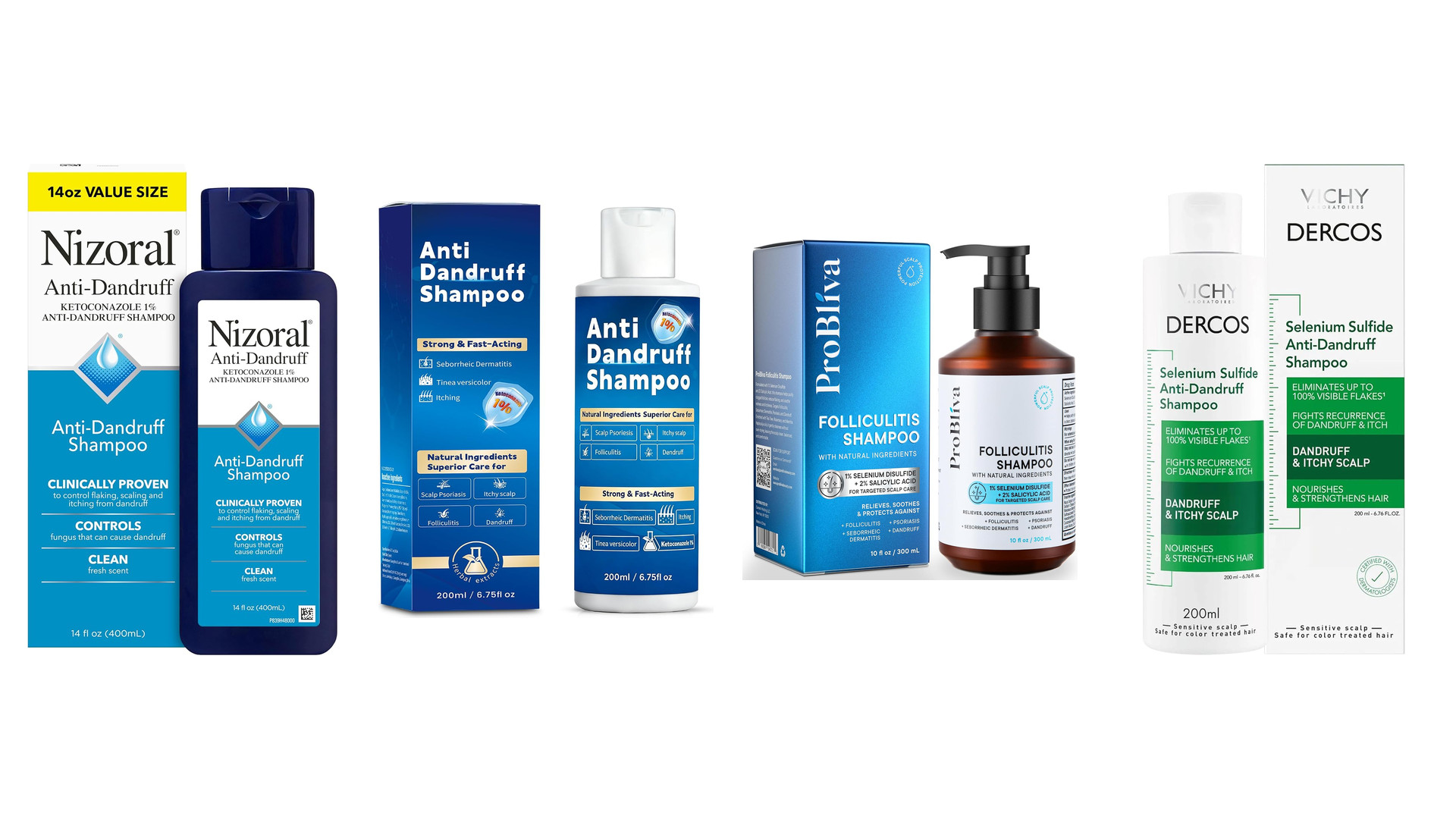
The main over-the-counter treatment, used as a body wash rather than for hair. Lather it over the chest, back, shoulders and hairline in the shower and leave it on several minutes before rinsing, daily for two to four weeks. Rinsing it straight off is the most common reason it seems not to work.
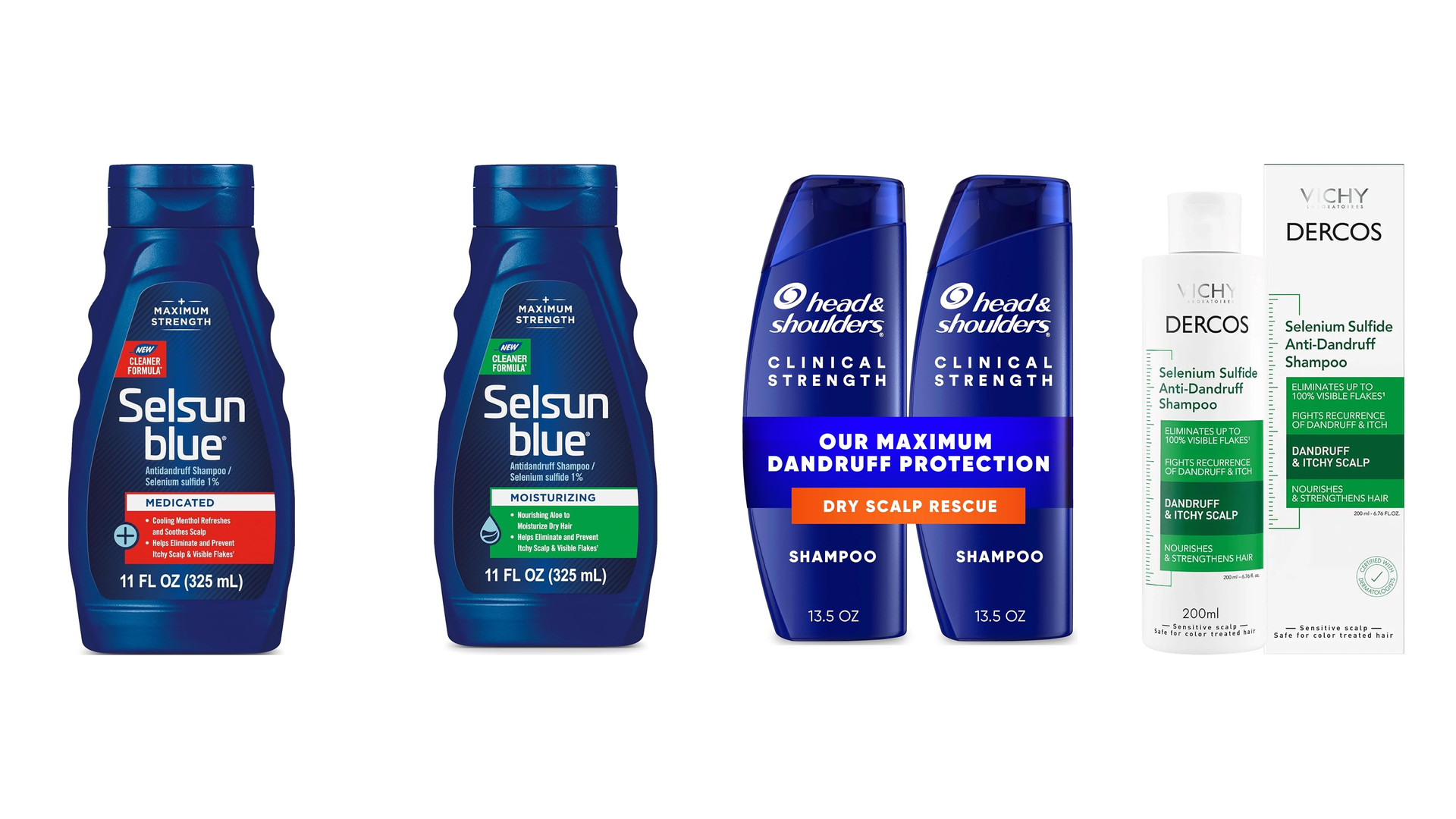
An anti-dandruff shampoo used the same way, lathered on the affected areas and left several minutes. A reasonable alternative if ketoconazole irritates or is hard to find. It can be drying and can discolor light-colored hair, so keep it on the body.

The gentlest of the three anti-dandruff washes, and the easiest to keep using long term. It is a good choice for maintenance once the bumps have cleared, once or twice a week through the hot months. It is usually a little weaker than ketoconazole for clearing an active crop.
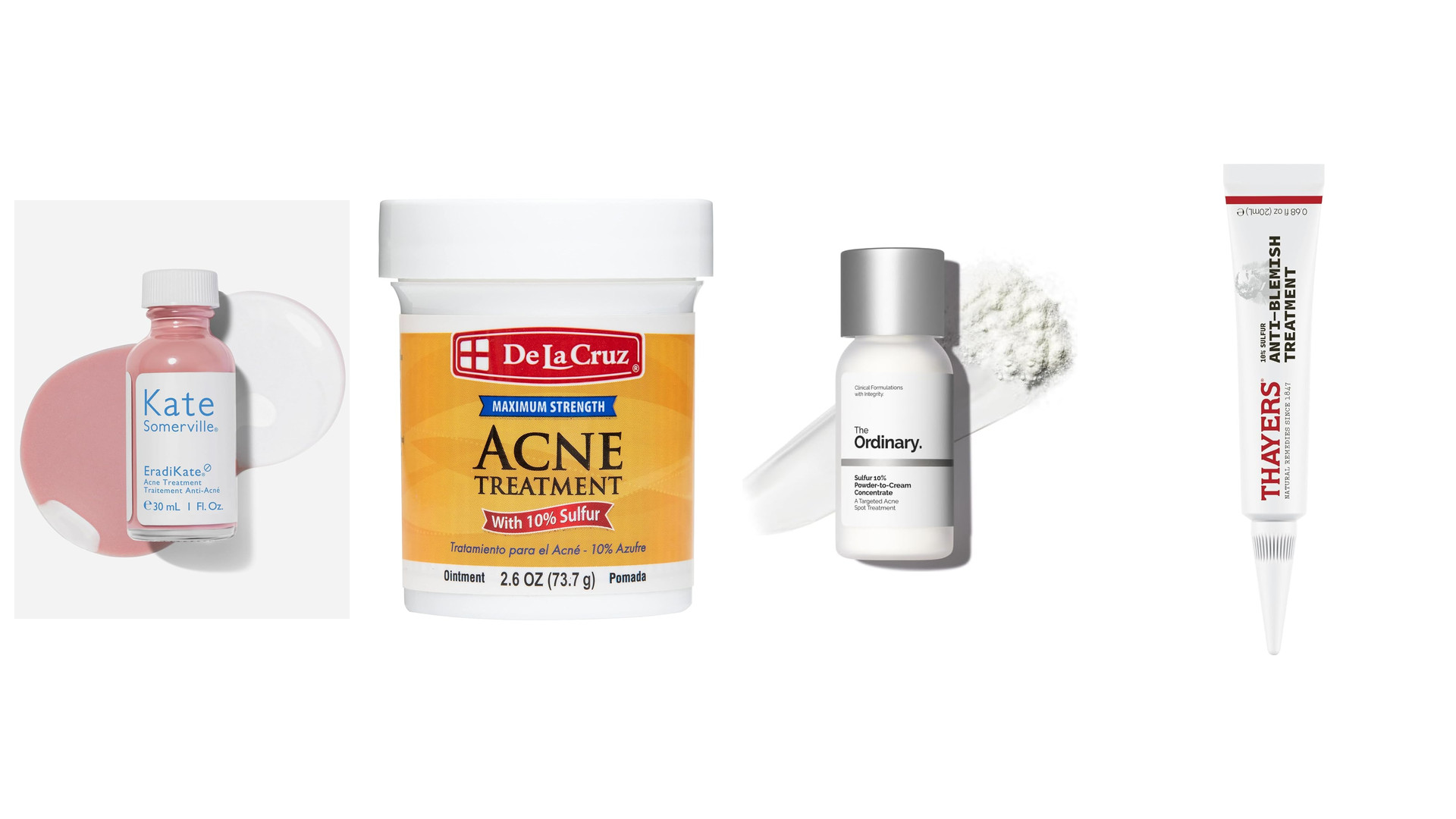
A sulfur wash or soap has some activity against this yeast and is an option if the antifungal shampoos are not tolerated. The evidence in fungal acne specifically is thin. It smells and can be drying on the chest and back.
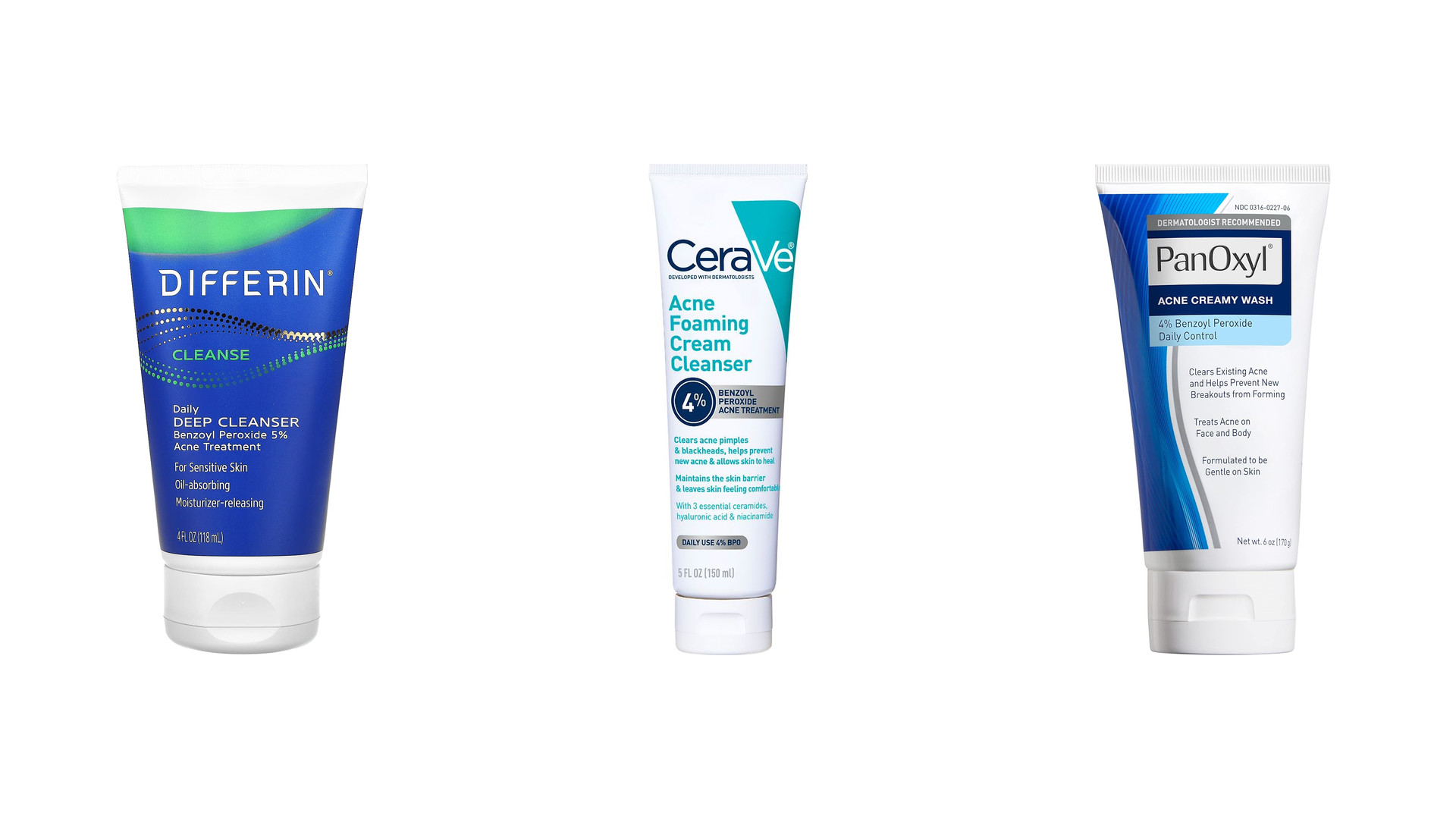
It has some effect on Malassezia, which is why a few people improve partially on it and then stall. It is not the right tool here, and used as a wash it can leave the chest and back dry and irritated. If it half-works, that is a hint to switch to an antifungal wash rather than to use more of it.

It works by clearing blocked pores, and this is not a blocked-pore condition, so it does not act on the yeast. Some people find a wash mildly helpful for the texture. It will not clear the bumps, and scrubs and brushes usually make an irritated chest and back angrier.
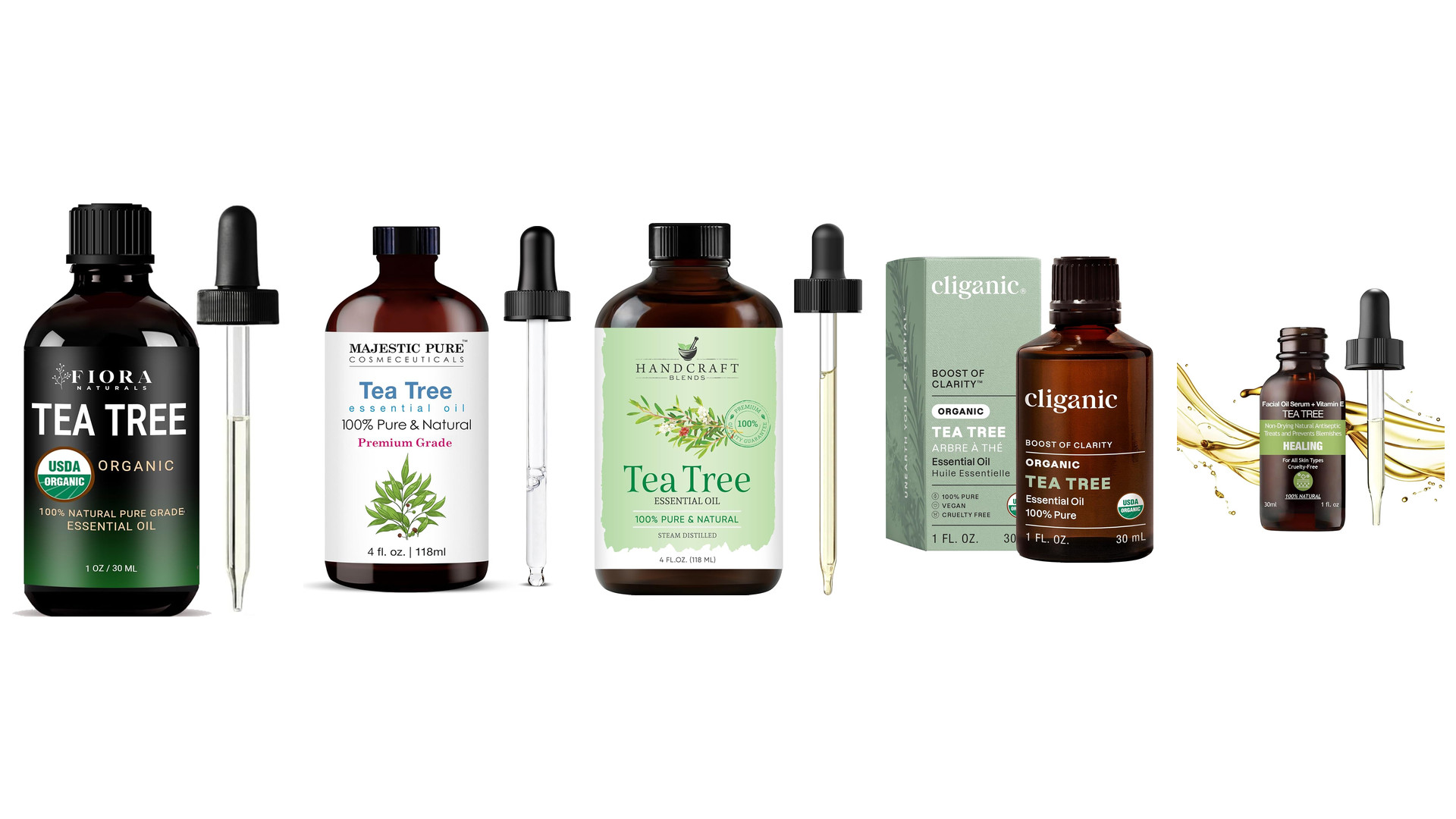
Widely suggested online for fungal acne and not well studied in it. It irritates inflamed skin easily, and it is a common cause of allergic reactions on the chest and back. A proven antifungal wash costs about the same and is available without a prescription.
The tablet most often used for stubborn or widespread cases, usually for one to three weeks. It clears extensive chest and back involvement far more reliably than a wash can. It interacts with a long list of other medicines, so the prescriber checks what else you take first.
The other antifungal tablet used here, often as a weekly dose for a few weeks. It suits people who cannot take itraconazole. Tablets clear the yeast but do not change the heat, sweat and occlusion that brought it on, so a maintenance wash is usually continued afterwards.
The antifungal tablet used for nail and foot infections, and it is a poor choice here. Malassezia is not reliably killed by it at the doses used by mouth. If an antifungal tablet is being considered, itraconazole or fluconazole are the ones with evidence in this condition.
An antibiotic prescribed for acne is one of the most reliable ways to make this worse, because it clears the bacteria that hold the yeast in check. A crop of itchy bumps appearing a few weeks into or after a course is a classic history. It is not a treatment for fungal acne.
The prescription strength, used as a cream on limited areas such as the jawline, forehead or hairline, or as a shampoo on the body. It is the usual next step when the over-the-counter 1% wash has not been enough. A cream is impractical for a whole back, which is where the wash or tablets take over.

An older antifungal cream, applied twice a day to small patches. It works against this yeast and is inexpensive and widely available. Like any cream, it only suits areas you can realistically cover, so it is a jawline and hairline option rather than a chest and back one.

Another antifungal option, used when ketoconazole has irritated the skin or has not worked. There is less published evidence in Malassezia folliculitis specifically than for ketoconazole. It is used the same way, with the shampoo left on for several minutes.
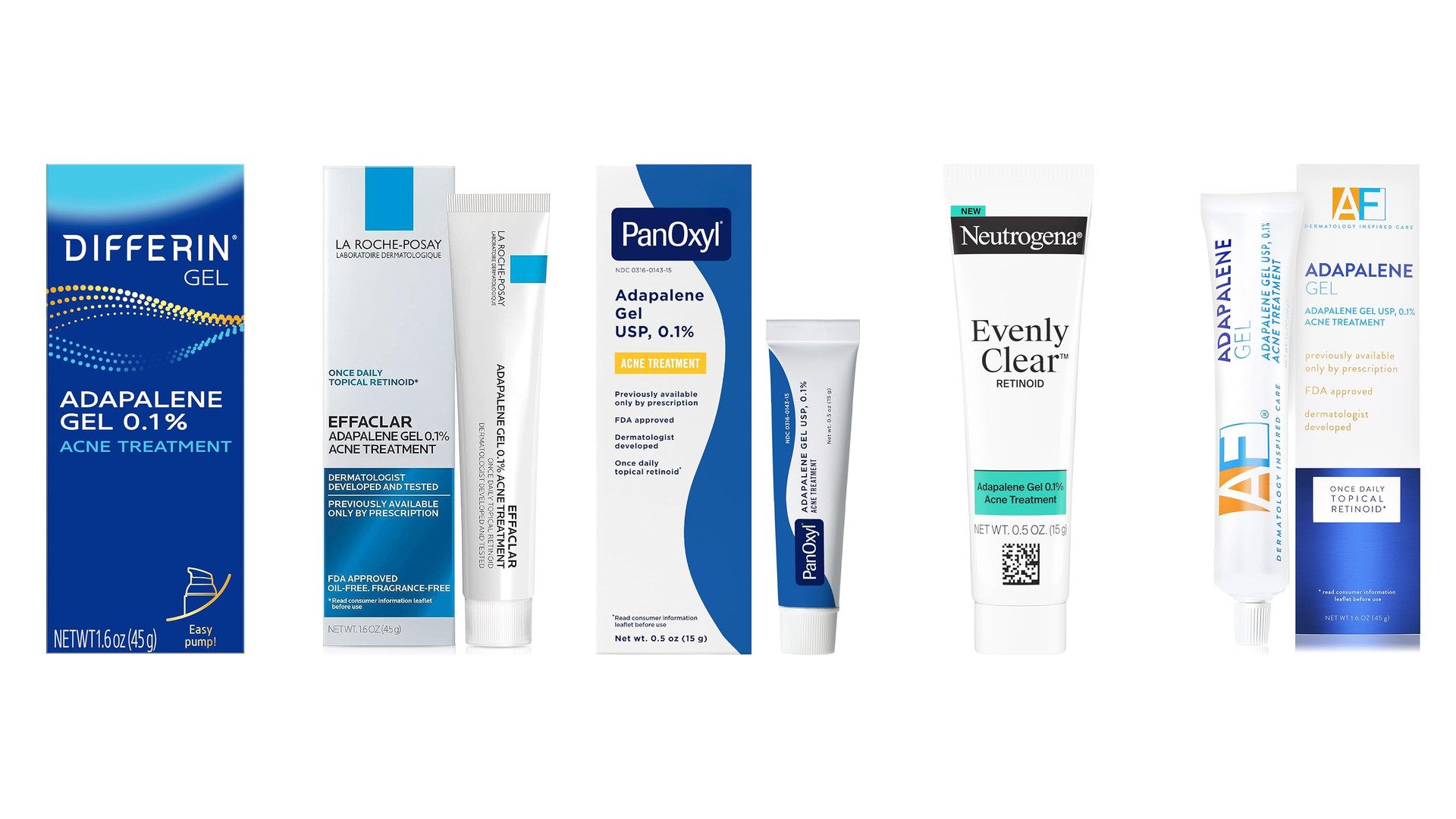
A retinoid works on blocked pores, and there is no plug to clear here, so it does not treat the yeast. It is often already in use because the bumps were assumed to be acne. It can stay if you also have genuine acne, but it is not what clears this.
A topical antibiotic reduces the bacteria that compete with the yeast, so at best it does nothing here and at worst the bumps get denser. Skin that gets worse rather than better on an acne antibiotic is one of the strongest clues that this is fungal acne.
Cystic acne
Cystic acne is a scarring condition. Every week a deep lump stays inflamed is a week the skin underneath is being damaged. The dents left behind are difficult and expensive to treat later.
Fungal Acne (Malassezia Folliculitis)
A dermatologist can confirm fungal acne in one visit. A gentle skin scraping looked at under a microscope shows the yeast. It is a same-day answer.
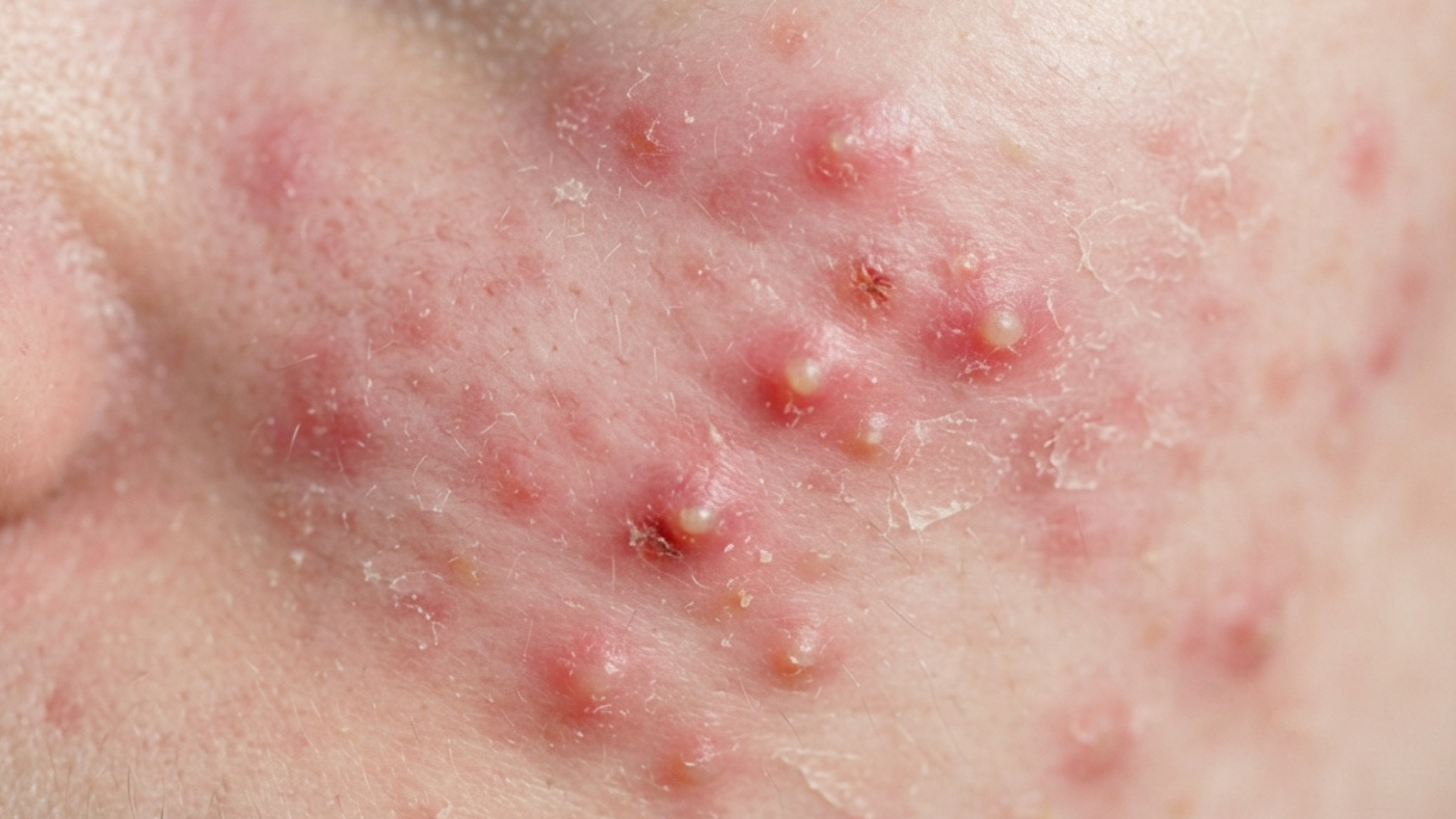
This is the mix-up that matters, because the treatments are different. Acne gives you spots of many different sizes, blackheads and whiteheads, and it rarely itches. Fungal acne gives you bumps that are all the same small size, in a sheet, with no blackheads at all, and it usually itches. Plenty of people have both at once, acne on the face and fungal acne on the chest and back.
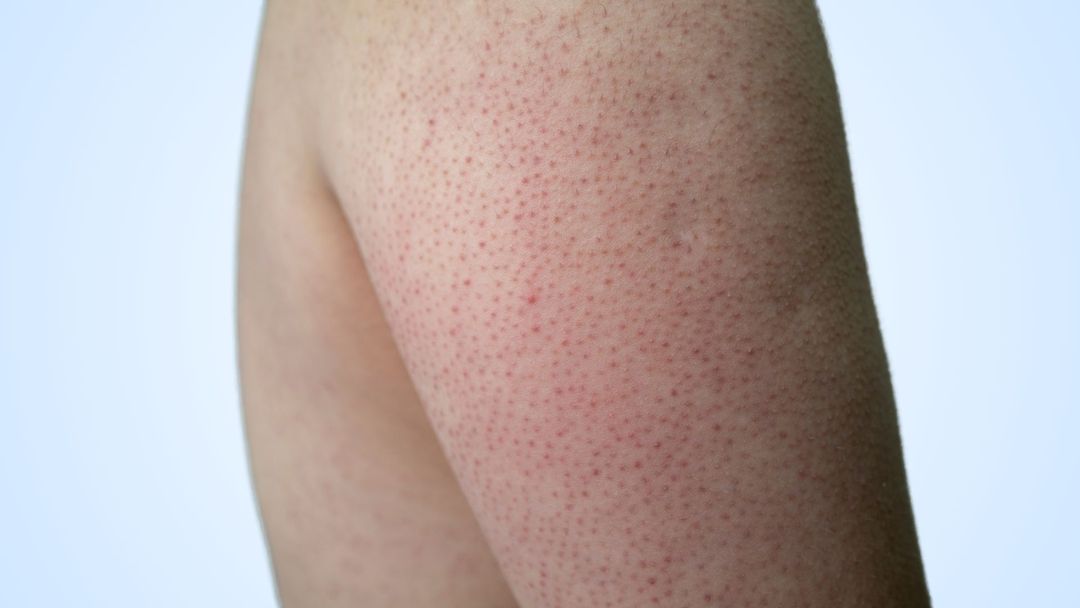
Both give a field of small, same-sized bumps. Keratosis pilaris sits on the outer upper arms, thighs and cheeks, feels rough like sandpaper, has no pus, does not itch much, and has usually been there for years without changing. Fungal acne appears over days to weeks, itches, and can have a pinpoint of pus on top.
Common questions
No. Fungal acne produces small, uniform bumps a millimetre or two across. A large, deep, painful lump is not fungal acne.
Size and sensation. Cystic acne is pea-sized or larger and throbs on its own. Fungal acne is tiny, comes in crowds, and itches — especially after sweating.
If the bumps are small, uniform and itchy, acne treatment was never going to work, because the cause is yeast rather than bacteria. If the lumps are deep and painful, over-the-counter products simply do not reach far enough.
It usually does not. Cystic acne is the type that leaves permanent dents, which is why it is worth treating early rather than waiting it out.
Yes. It is a common combination, and it is one reason fungal acne gets missed. A telling pattern is a face that improves on acne treatment while the chest and back stay itchy and bumpy.
Fungal acne usually improves within a few weeks of an antifungal. Cystic acne takes longer, though a single lump can be settled with a small steroid injection in a day or two.