Use together
Can I Use Retinol and Vitamin C Together?
Quick answer
Vitamin C in the morning and retinol at night is a simple starting routine. Formulas containing both have been studied, but two separate products can feel more irritating when layered.
Routine
A starting routine
A split routine gives each product its own time and helps you identify irritation.
Morning
Vitamin C- 1Wash with a gentle cleanser.
- 2Apply vitamin C as directed if your skin tolerates it.
- 3Finish with broad-spectrum SPF 30 or higher.
Night
Retinol- 1Wash with a gentle cleanser.
- 2Apply retinol as directed on a night your skin tolerates it.
- 3Follow with moisturizer.
Use moisturizer in the morning too if your skin feels dry.
Pregnant or planning a pregnancy? Avoid retinol and discuss alternatives with your pregnancy care team.
What each one does
Where they overlap
Both can help with uneven tone. Vitamin C also acts as an antioxidant.
See diagrams
Retinol affects skin renewal and changes linked with photoaging. Vitamin C formulations provide antioxidant activity, with stability and delivery that depend on the form and formula.
Retinol

- Supports skin renewal
- Targets fine lines
Vitamin C

- Antioxidant activity
- May help uneven tone
Best for
Where this pair fits
The pair is most relevant when your goals include uneven tone and early signs of sun damage.
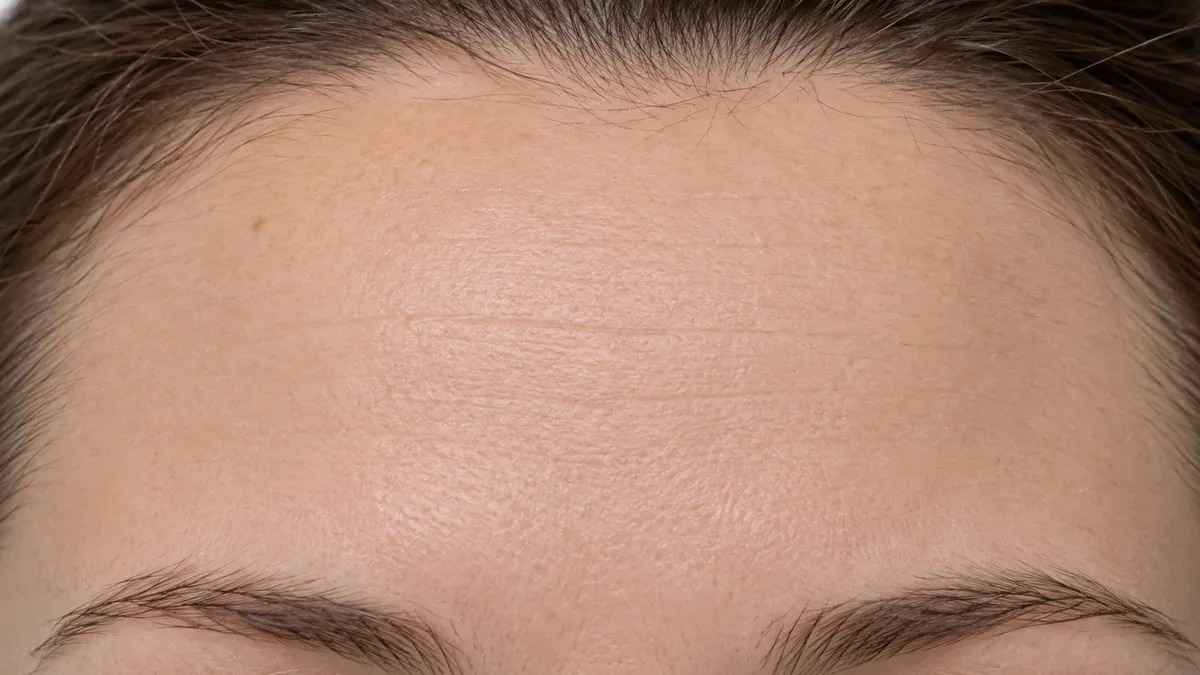
Wrinkles and Fine Lines
Complementary goalsA sunscreen is part of the daytime routine even when you use an antioxidant.
Getting started
If you’re just starting
Keep it in the morning.
Add retinol to a few nights as the label allows.
Add vitamin C on its own.
If a serum burns or leaves lingering redness, stop and reassess the formula.
Follow the package directions.
A formula made with both ingredients has been designed differently from two separately layered products.
Adjusting
If your skin stings or peels
First step
Pause the product that stings or makes skin peel. Pause both if you cannot tell which product is responsible.
When your skin feels normal again
Restart one at a time after the skin settles.
Evidence
What studies show
Studies used specific formulas and vitamin C forms.
A combination changed some signs of aging in skin samples
Researchers reported changes in skin samples after use of a preparation containing retinol and vitamin C. The studies did not compare the order of two separate products.
One vitamin C derivative was tested with retinol for acne
The study used 5% sodium ascorbyl phosphate and 0.2% retinol. It cannot tell you how a low-pH L-ascorbic acid serum would perform with retinol.
Questions
Common questions
Do vitamin C and retinol cancel each other out?
Both have been used in the same finished preparation. Whether separate products feel comfortable depends on their formulas and how your skin responds.
Can I use both at night?
Some finished products contain both. For separate products, keeping vitamin C in the morning and retinol at night is an easy starting point.
Can vitamin C replace sunscreen?
Use broad-spectrum sunscreen even if your morning routine contains a vitamin C antioxidant.
Sources
Sources and further reading
Related

